Northern Peru has long been at the heart of our sourcing in the country, but there's more to explore. Over the past couple of years, we've been building relationships in central and southern Peru, looking for coffees that bring new varieties, profiles and production approaches to our offerlist. The aim is to expand what we can offer roasters while building a more diverse sourcing network across regions, producers and partners.
Northern Peru has long been at the heart of our sourcing in the country, but there's more to explore. Over the past couple of years, we've been building relationships in central and southern Peru, looking for coffees that bring new varieties, profiles and production approaches to our offerlist. The aim is to expand what we can offer roasters while building a more diverse sourcing network across regions, producers and partners.
Exploring more specialty coffee regions in Peru
Much of our buying in the north is concentrated in Cajamarca. We're not looking to replace what we already have in place, our northern Peruvian microlots and communal coffees aren't going anywhere. Instead, we want to build on this foundation, bringing more coffees into our offerlist while developing new opportunities with producers and supply chain partners in other regions.
Working in other regions gives us access to different varieties, growing conditions and microclimates, as well as different processing approaches. We're looking beyond the cup profile, too. The infrastructure behind each coffee matters: how it's processed, milled and prepared for export.
Our partners in the centre and south have their own dry mills, giving them more control over this stage of preparation and less dependence on external facilities and their schedules. Having control over milling and export preparation also makes it easier to follow up on quality expectations and manage preparation timelines.
Developing natural specialty coffee in Peru
We have been working with suppliers in the North and South that have the infrastructure and experience to produce naturals. Together, we're developing natural lots from selected areas within their producer networks.
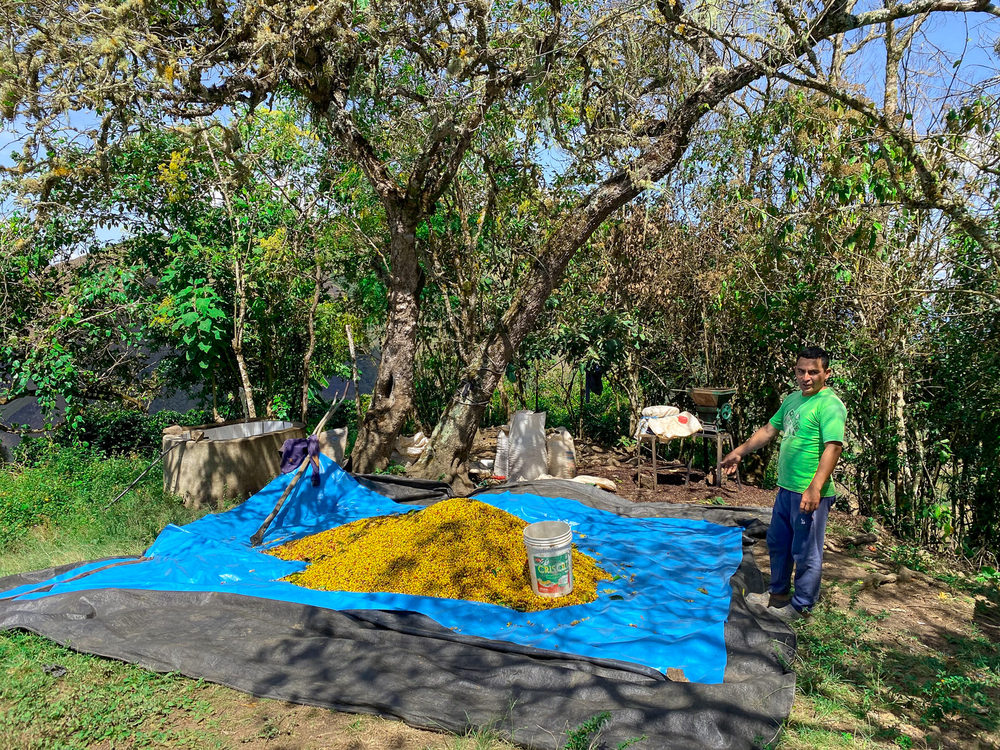
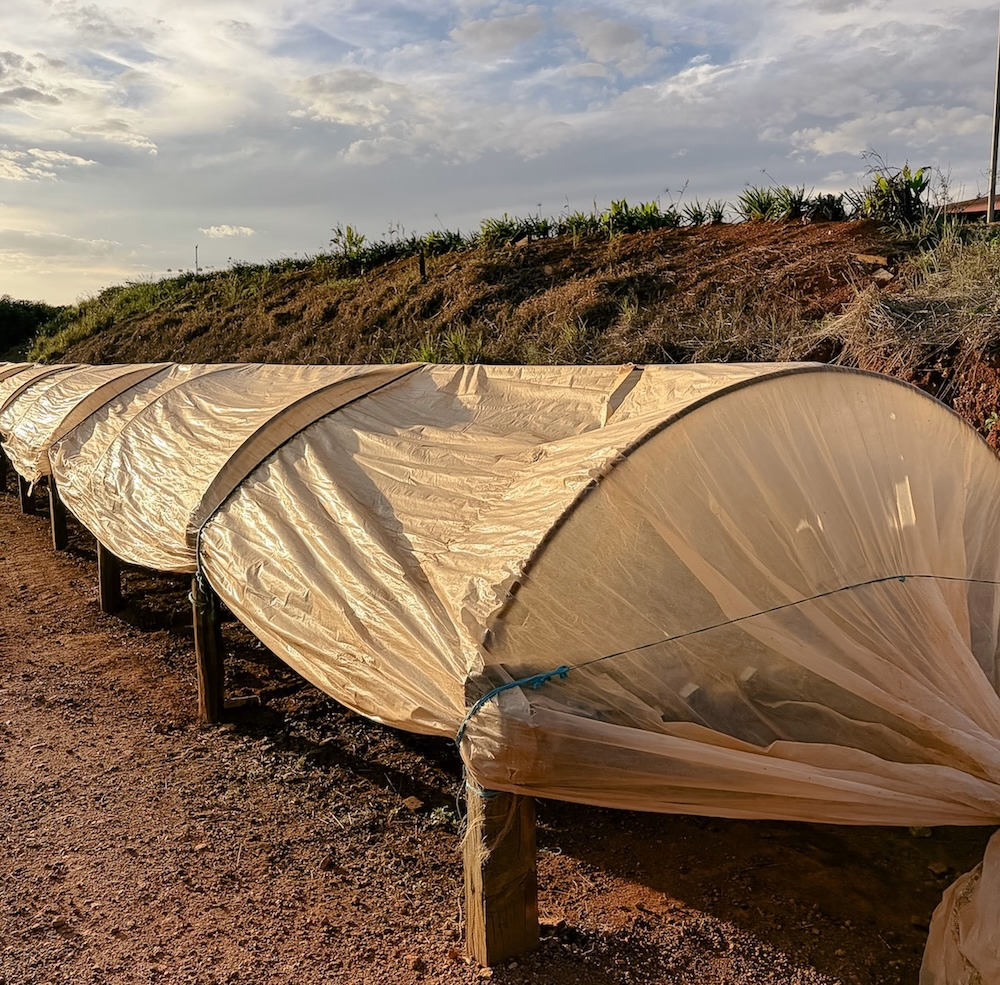
Naturals are still relatively uncommon in Peru. The country's humid climate makes drying more challenging, and many farmers lack the infrastructure needed to manage the process. Producing naturals consistently requires careful control of fermentation and drying, as well as the flexibility to adapt to changing weather conditions.
Our partners approach this in different ways. In the North, our supplier uses warehouses at higher, cooler altitudes to manage fermentation, before moving the coffee two hours away to lower, hotter and drier areas for drying. In the South, our partner works through communal processing stations, giving farmers access to facilities they wouldn't necessarily have on their own.
From cherry selection to the final drying stages, every step needs close attention. It's not the easiest process to get right, particularly with unpredictable weather and limited resources, but with the right infrastructure, protocols and training, it's possible to produce naturals consistently.
The goal is to develop juicy, versatile coffees in medium-sized lots, suitable for espresso or a house filter rather than just small, limited releases. They also offer a different price point from our smaller microlots.
Getting the volume right is part of the process. Larger lots mean collecting cherries over a longer period and across different pickings, which can influence the final profile. We're testing how far we can scale these coffees while keeping the character we're after.
Want to know why natural coffees are relatively uncommon in Peru? Read more about our supply chain here.
New farms and coffee varieties in central Peru
In central Peru, we've recently started working with a family-run supplier managing five farms and its own dry mill. This setup gives them greater control over the production process, right through to export. It also gives us a more direct way to communicate expectations and work together on the standards we want to achieve, from quality to traceability.
We're currently sourcing from two of the five farms, exploring varieties and profiles that we don't already get through our partners in the north and south. The group also has controlled drying equipment for natural processing, giving us another approach to explore.
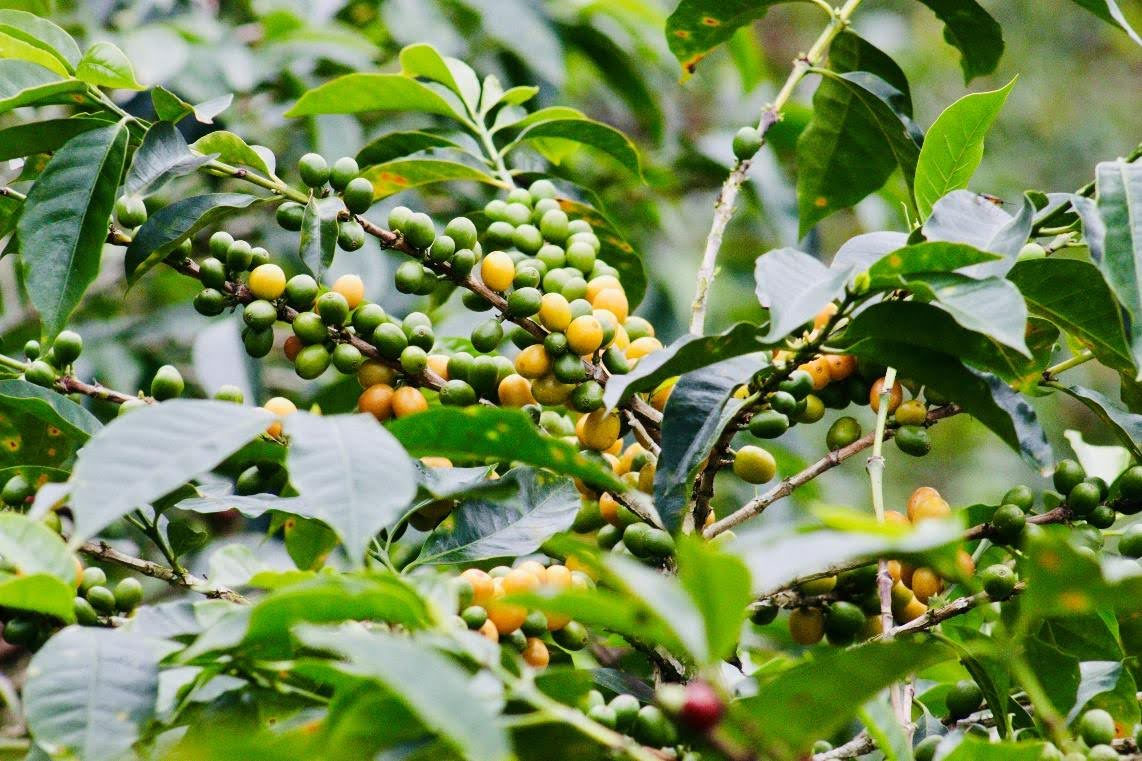
This year's offerlist includes varieties such as Java, Cuscatleco and Catigu, all new additions to our sourcing. For roasters, this means access to variety-specific washed coffees in meaningful volumes, alongside naturals produced using a different drying approach.
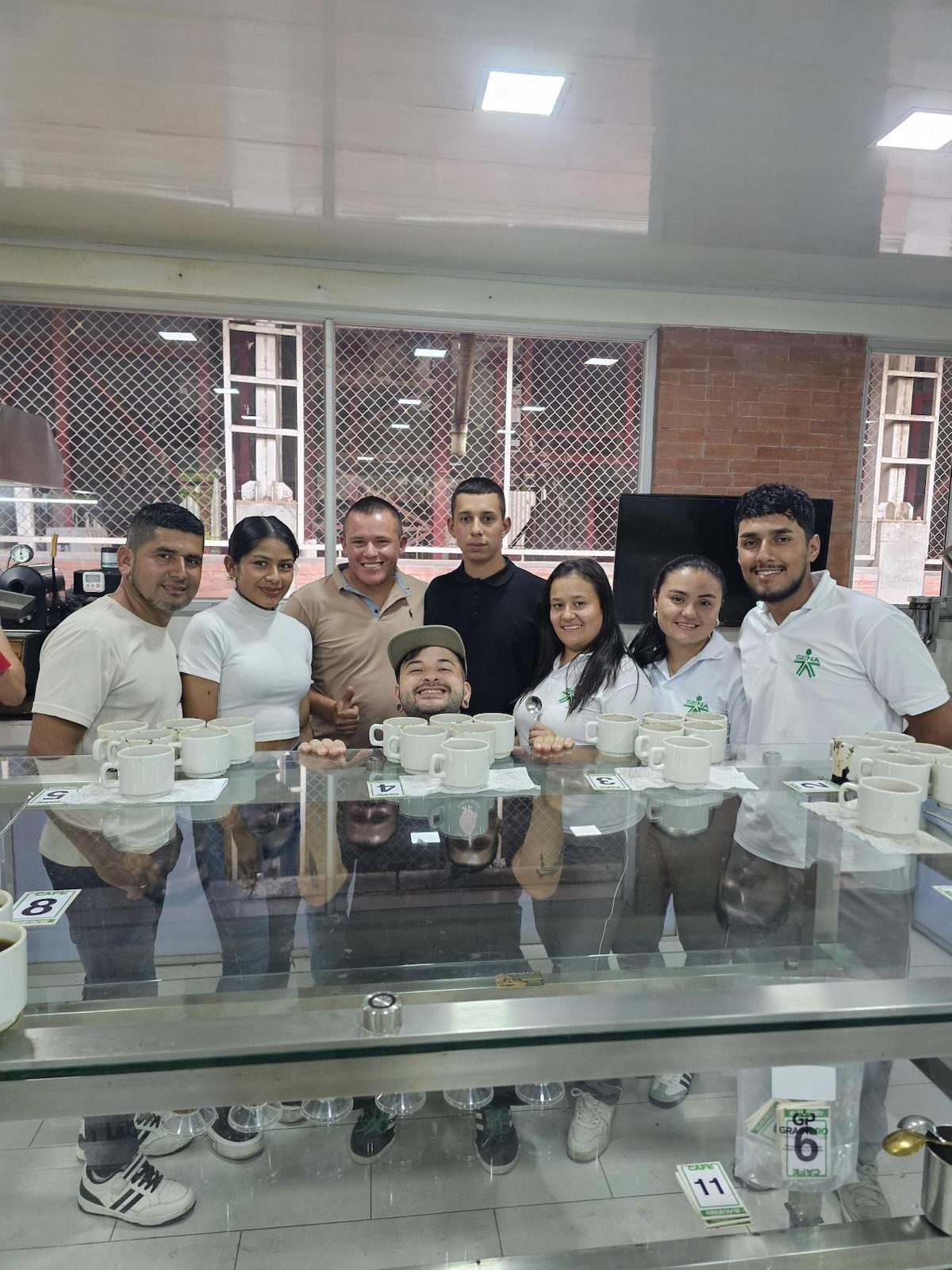
We're still in the first year of buying through this relationship, and there's plenty of room to develop it further. Getting to this point took roughly two years of sample exchanges, cupping and conversations. It's a process of calibration, building a shared understanding of what we're looking for through regular feedback and open communication.
"Through them sending us samples and the cupping and the feedback, there's a process of calibration that is happening. Every year they get more of an understanding of what we look for," explains Rory Rosenberg, our Green Buyer for Peru.
More ways to work with Peru
These new relationships are still developing, but they're already bringing different varieties, processing approaches and lot sizes into our Peruvian selection. Alongside our established northern sourcing, they give roasters more ways to work with Peru, while allowing us to build relationships and develop coffees across a wider part of the country.
Want to explore this year’s Peruvian line up? Check out our offerlist!