

Tanzania
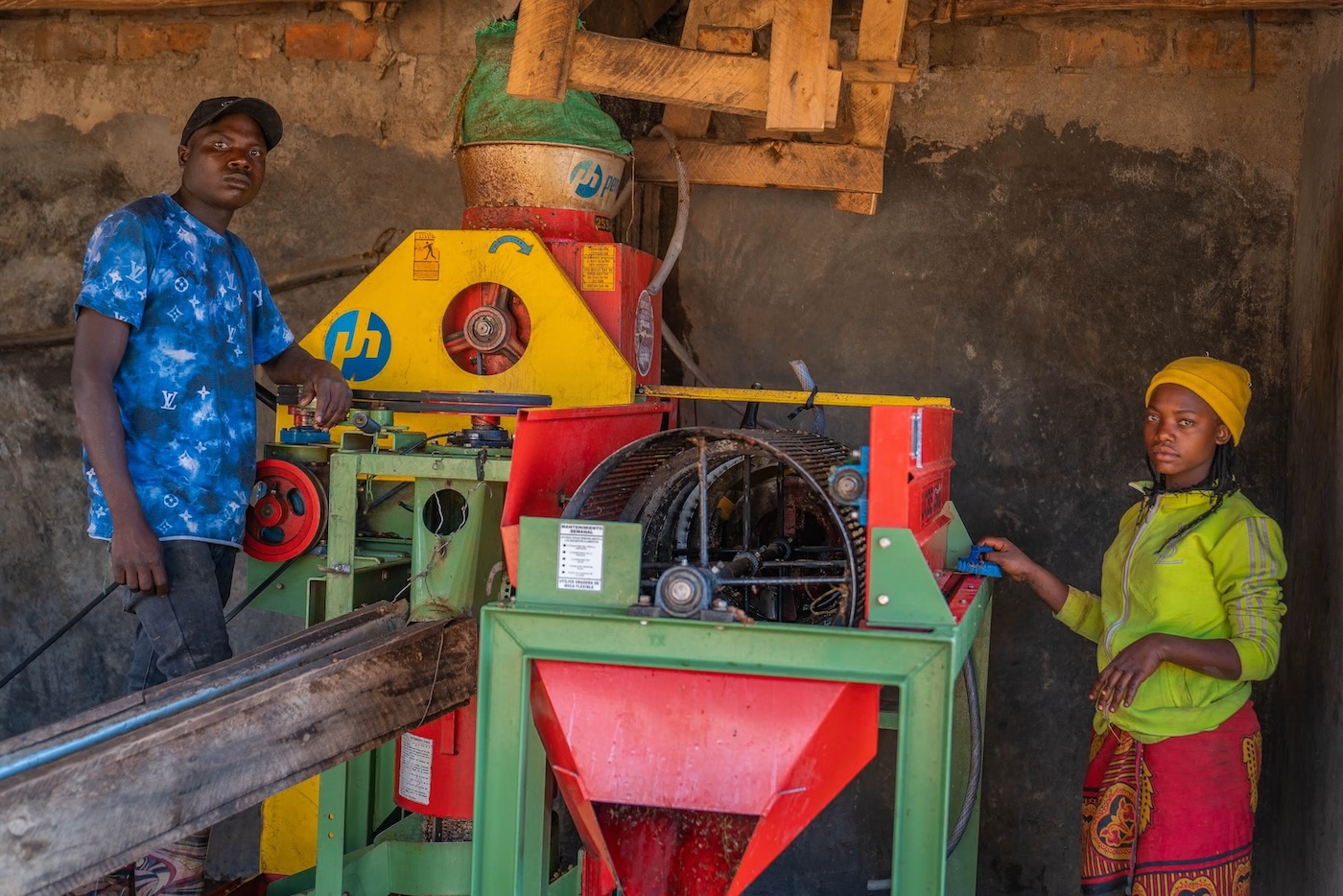
High-altitude coffees with distinctive profiles, focused on building traceability, consistency, and high quality.
We restarted sourcing from Tanzania in 2025 after almost a decade away, focusing on coffees from the high-altitude growing areas of Southern Tanzania. Our washed lots are showing exceptional character, with profiles ranging from dark cherry, citrus, and stone fruit to floral, rosehip, and hibiscus notes. Our anaerobics are more process driven, bringing a more complex and aromatic side, with ripe yellow fruit and mild boozy characteristics.
Harvesting season
May - September
Arrival times
December
Quantities
30 – 50 bag lots. Average is 30 bag lots.
Packaging
30 kg vacuum boxes & 60 kg grain pro bags
Cultivars
Bourbon, Kent, Compact
Processes
Washed & Anaerobic Naturals
Flavour profiles
Washed: stonefruit, dried fruit, black tea, caramel/ jammy, red fruit, & cocoa. Anaerobics are process driven, alcoholic, with yellow fruit.
Usage
Widely used for espresso either single origin or in espresso blends, can also be used for filter.
Shelf life
Normally holds up well for 6 months. We can never guarantee more than 6 months after arrival for any coffees.
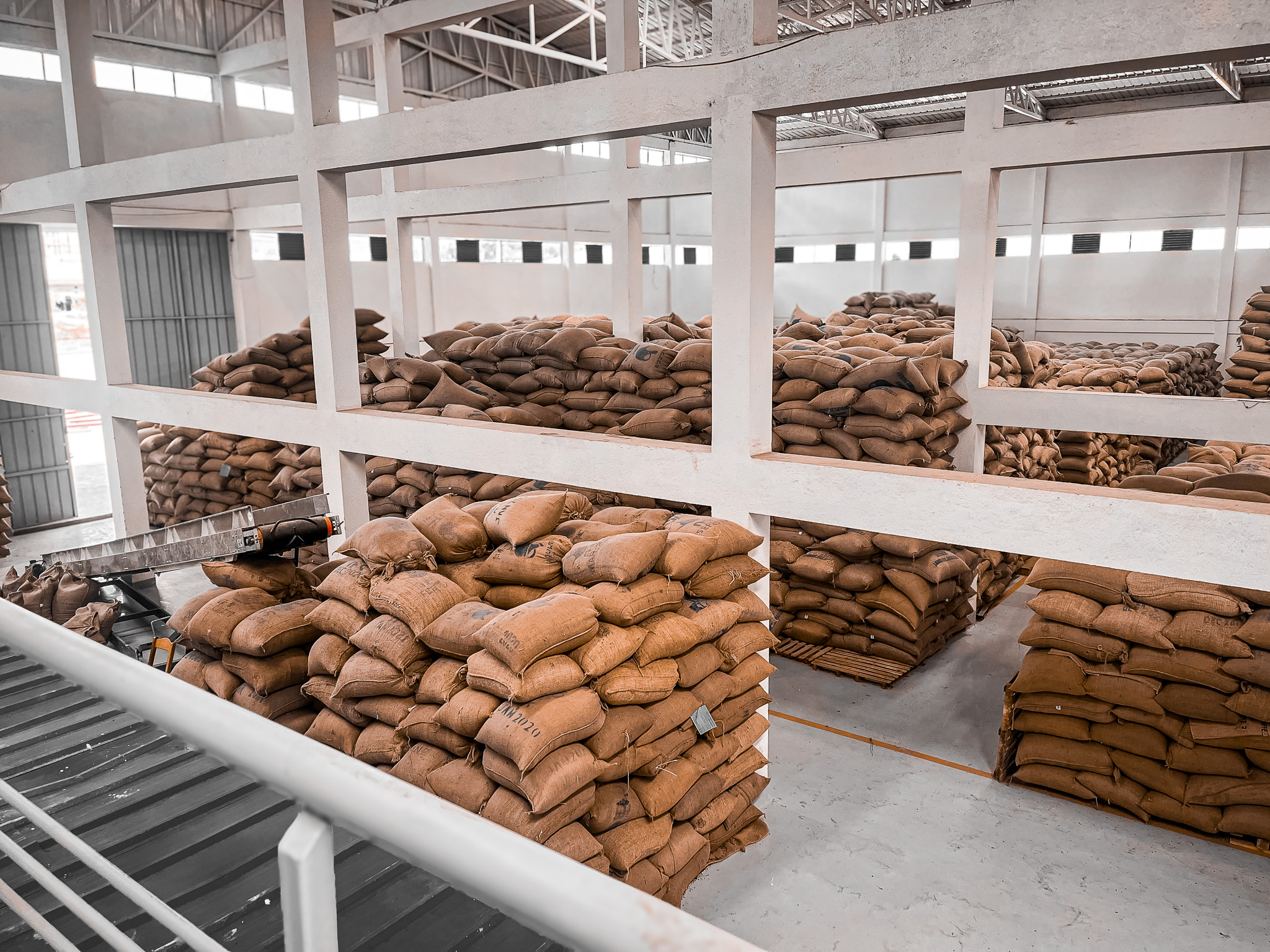
After a 10-year absence, Nordic Approach is re-entering Tanzania and returning to some of the same supply chains we worked with previously. As a coffee importer, we are sourcing from a small group of AMCOS (the Tanzanian equivalent of cooperatives) in Mbeya and Songwe, two neighbouring regions in the south-west of the country. We buy through our partners at Ibero (NKG), who work directly with the AMCOS and provide pre-financing, quality support and agricultural inputs, and operate their own dry mill in Mbeya.
Our focus is on building greater traceability and consistency within these supply chains. While the infrastructure is still developing and progress can be gradual, there is already a clear opportunity to separate coffee from individual CPUs (Central Processing Units) and from the wider AMCOS level. CPU-level lots allow us to identify smaller processing sites and highlight exceptional coffees, while AMCOS-level lots give us more repeatable products that can work well for roasters looking for consistency on their menus. This separation also gives us better control over processing and parchment handling: naturals can be traced more closely to the CPU and its processing practices, while washed coffees can be kept separate as parchment throughout the supply chain. We will also look for peaberries at AMCOS level when there is sufficient volume to make this viable.
We are particularly interested in finding the most engaged AMCOS and CPUs, those willing to experiment with processing, invest in quality and develop coffees for the specialty market. However, the challenge is that only selected sites have the capacity to produce special preps.
Looking at current cup quality alongside the relatively early stage of infrastructure development, we see significant potential for more distinct profiles, stronger traceability and growth in special preparation. Tanzania has substantial coffee volumes, many young trees that have yet to reach full production, and growing opportunities for investment in drying beds and natural processing. For us, this makes Tanzania a promising origin to develop over the long term, particularly in profiles where there is strong market demand and a good balance between price and quality.
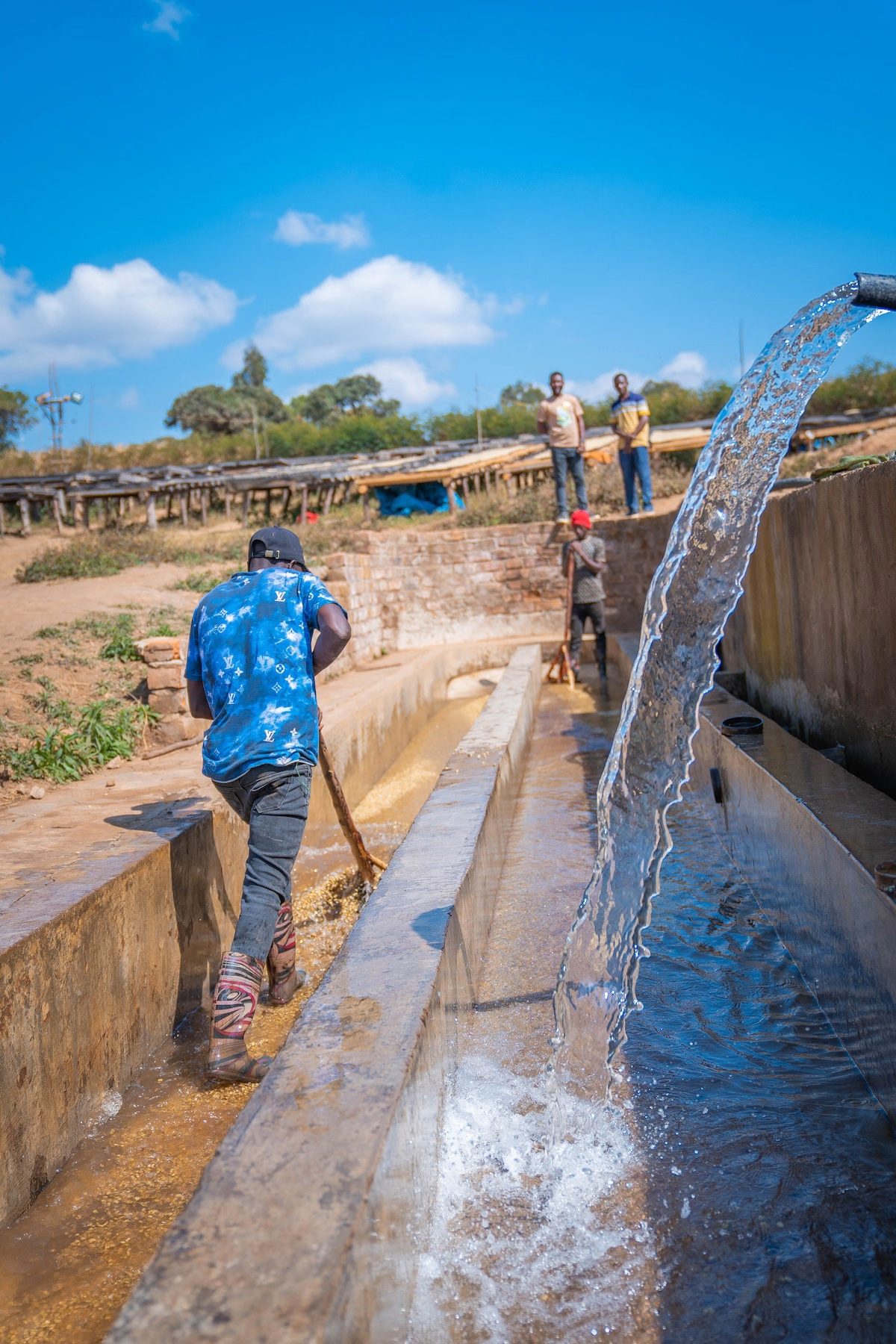
A step-by-step overview
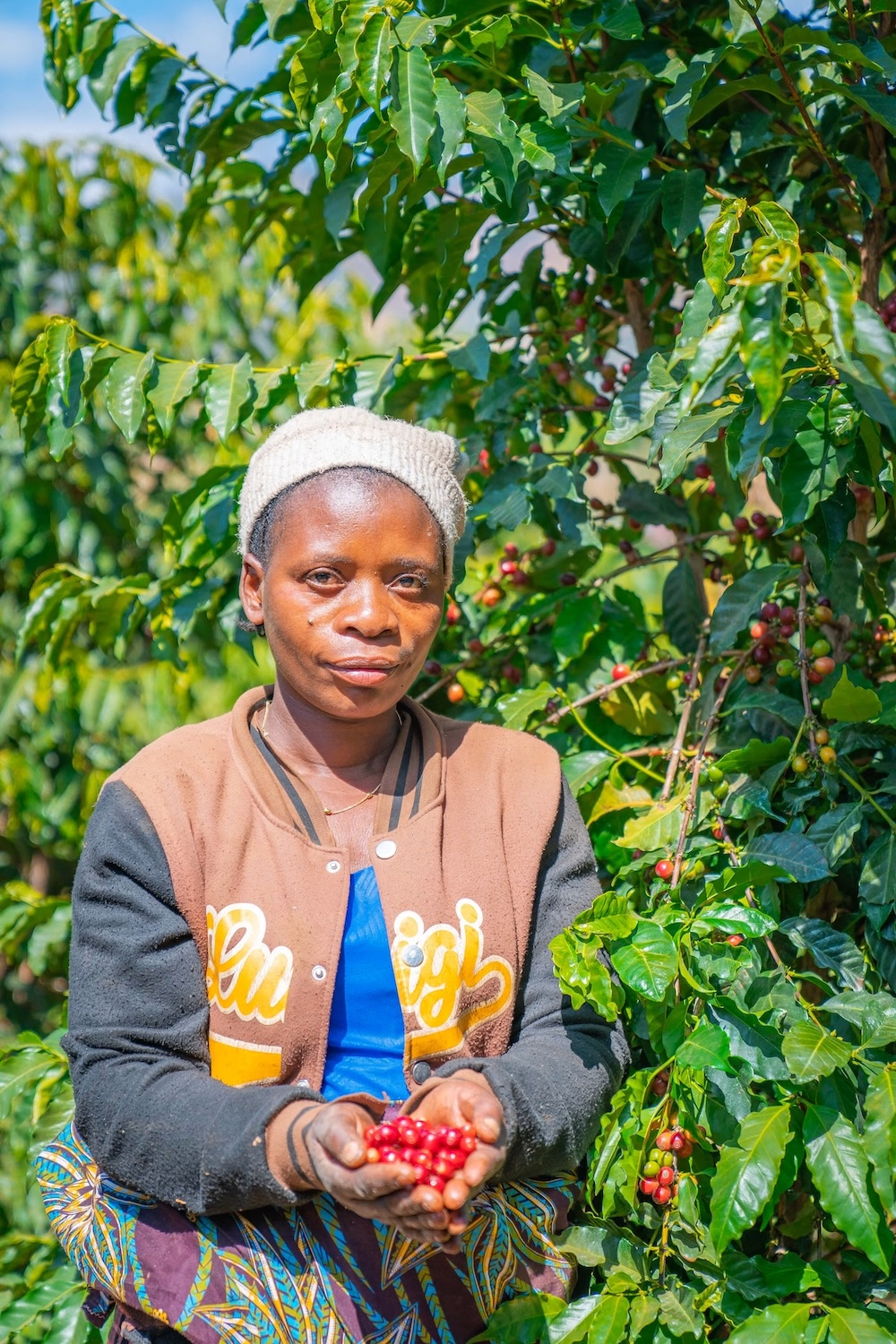
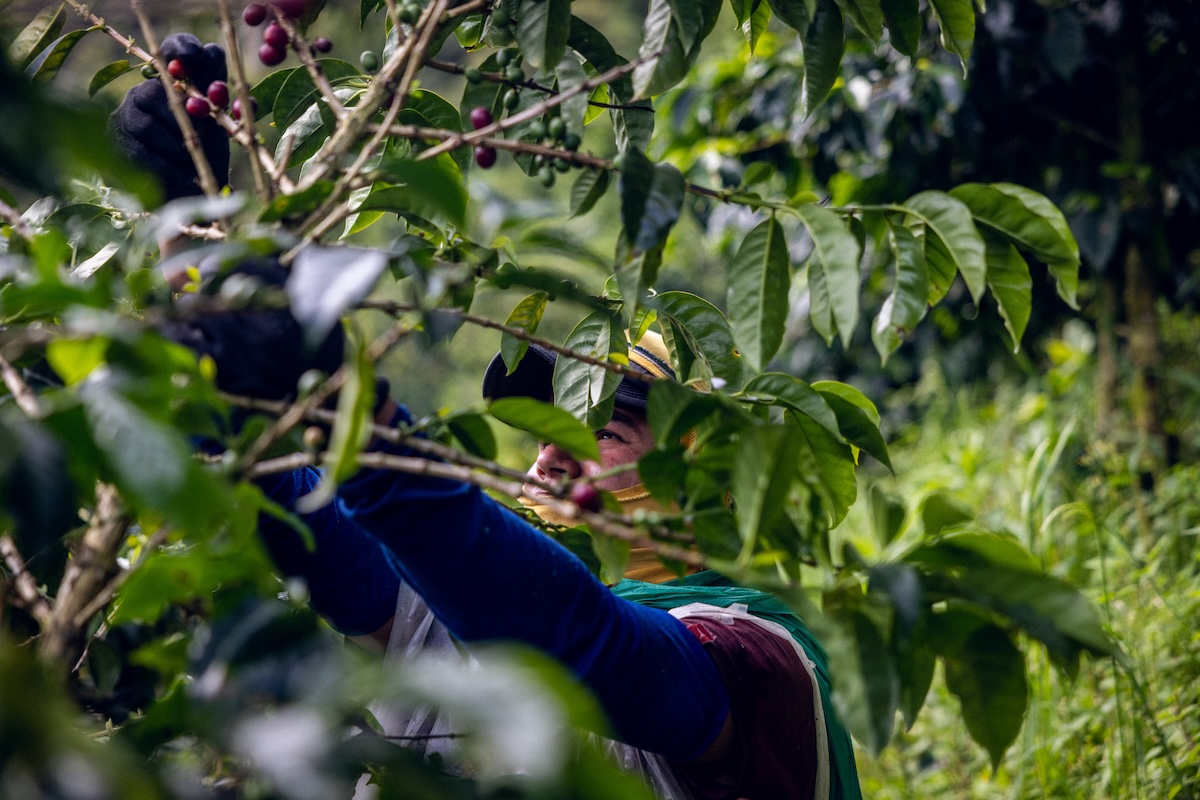
Tanzania’s coffee production is predominantly smallholder-based, with considerable land available for new planting. Compared to Kenya and several other East African origins, the average farm size is larger, and there is still greater room for expansion. It is estimated that production is currently increasing by around 10% year on year. This growth is expected to continue as more recently planted trees reach productive age. The main varieties we see include Tanzanian hybrids such as N39, KT423 and Compact, as well as Bourbon N39.
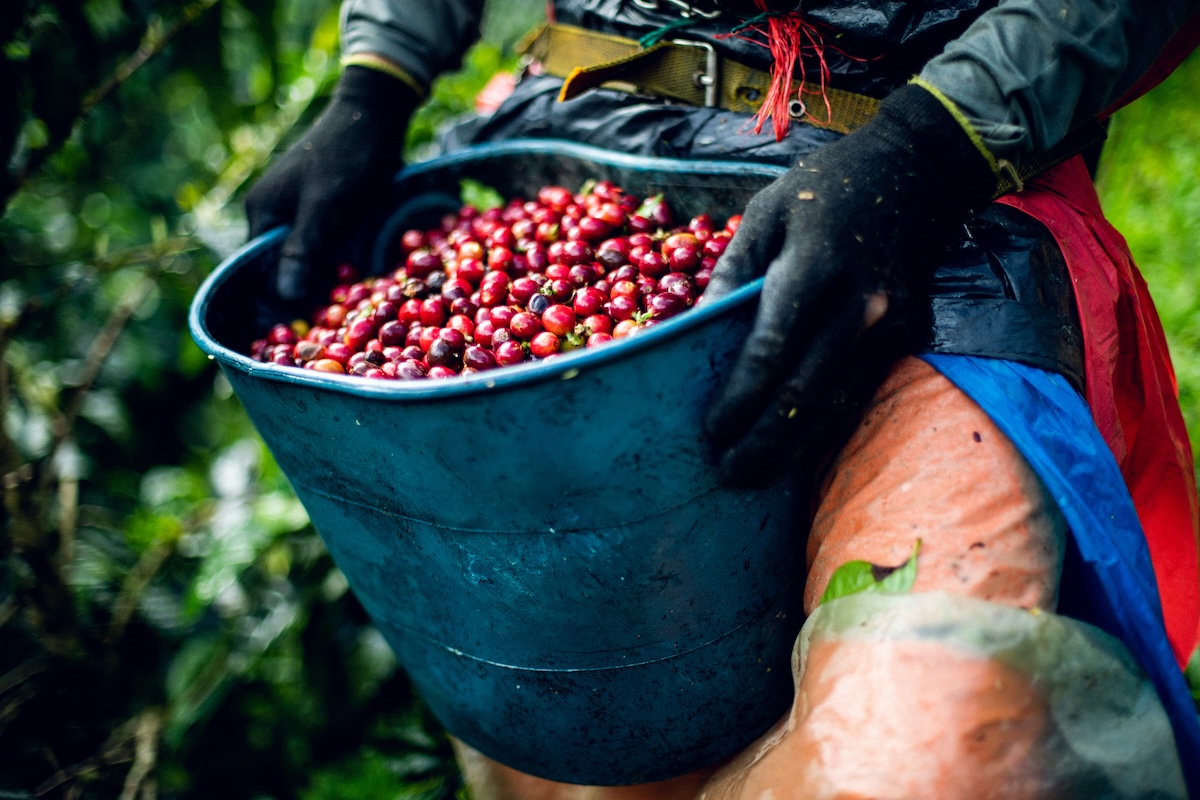
Coffee is purchased in parchment form by Ibero, which enables farmers to receive payment within seven days of delivery. Once delivered to the CPU, cherries are weighed and recorded. At the sites we source from, cherries are generally collected in the morning, with pulping beginning around 2–3pm. All cherries received at a station are pulped on the same day.
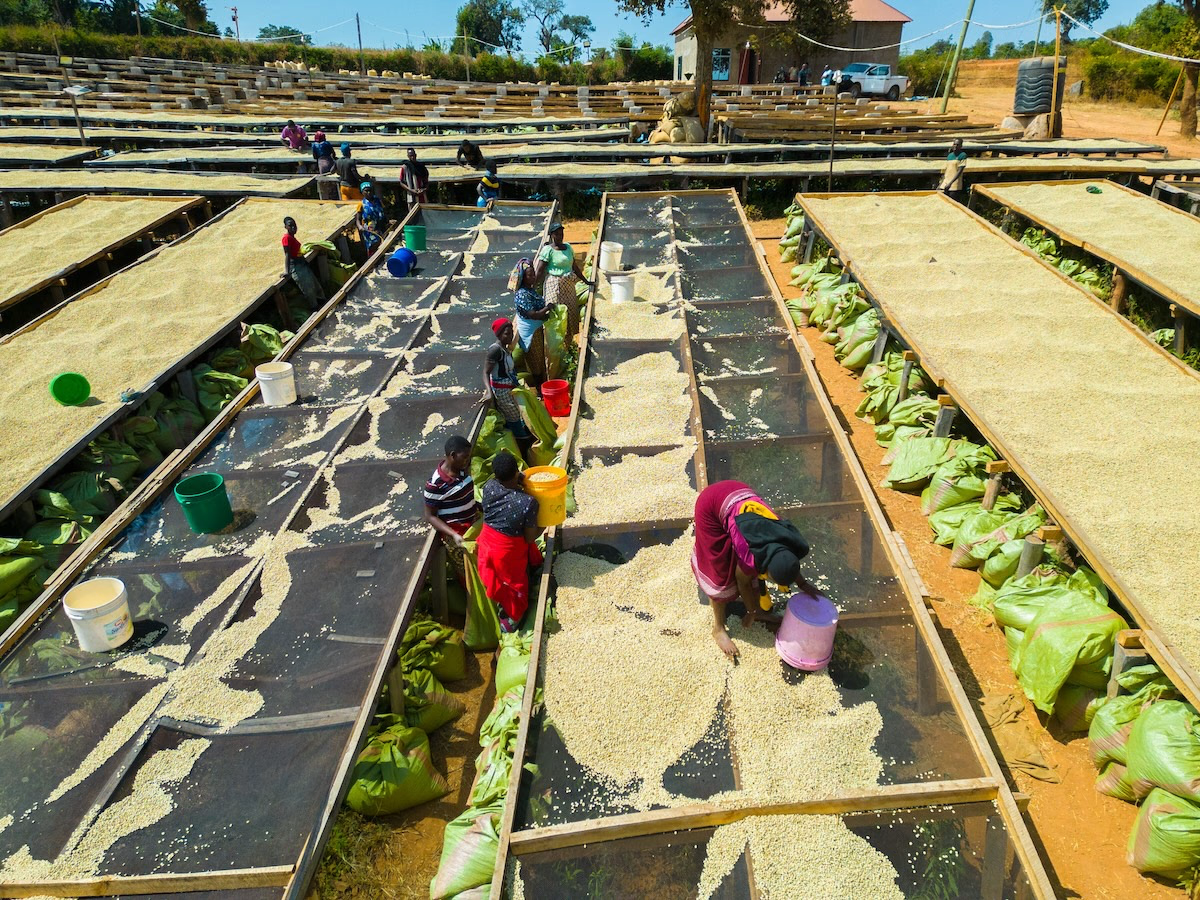
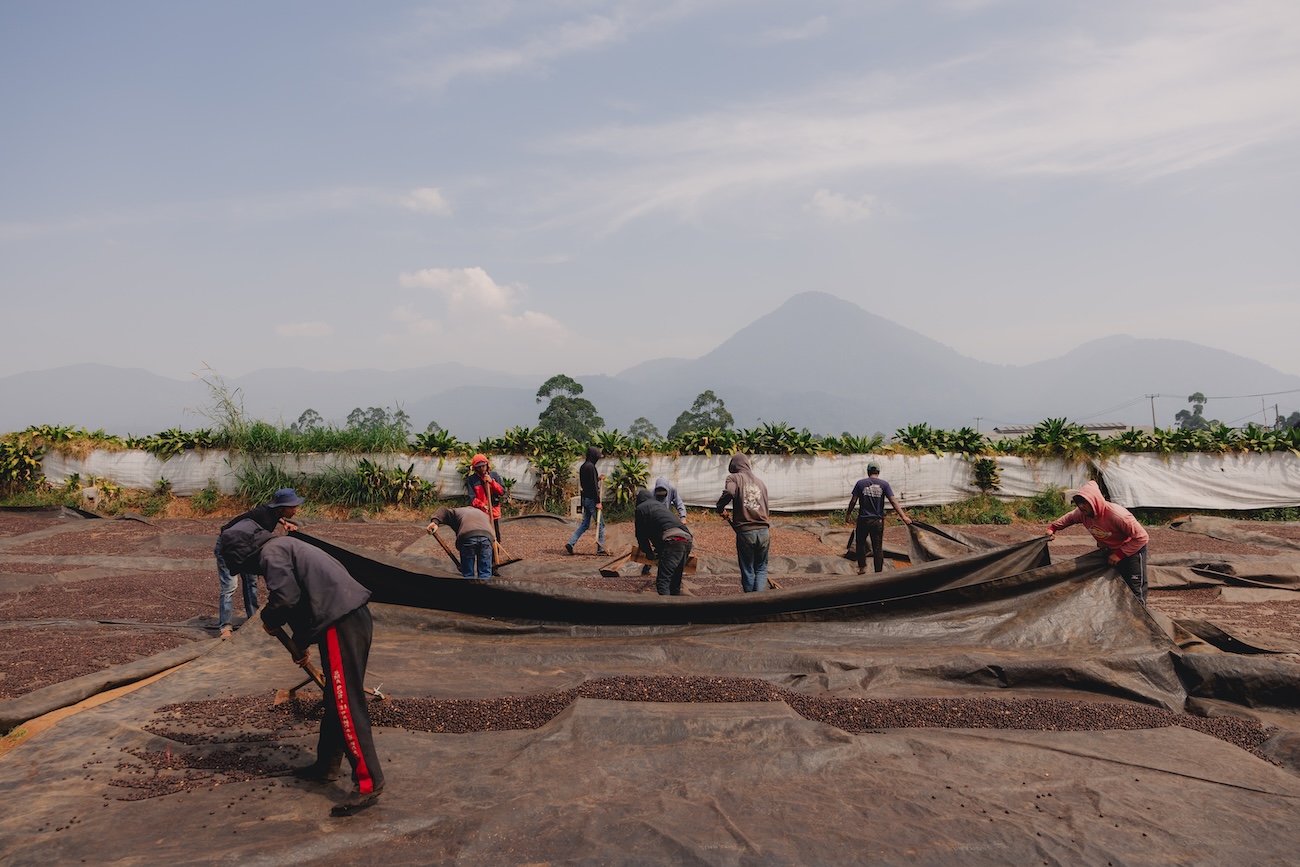
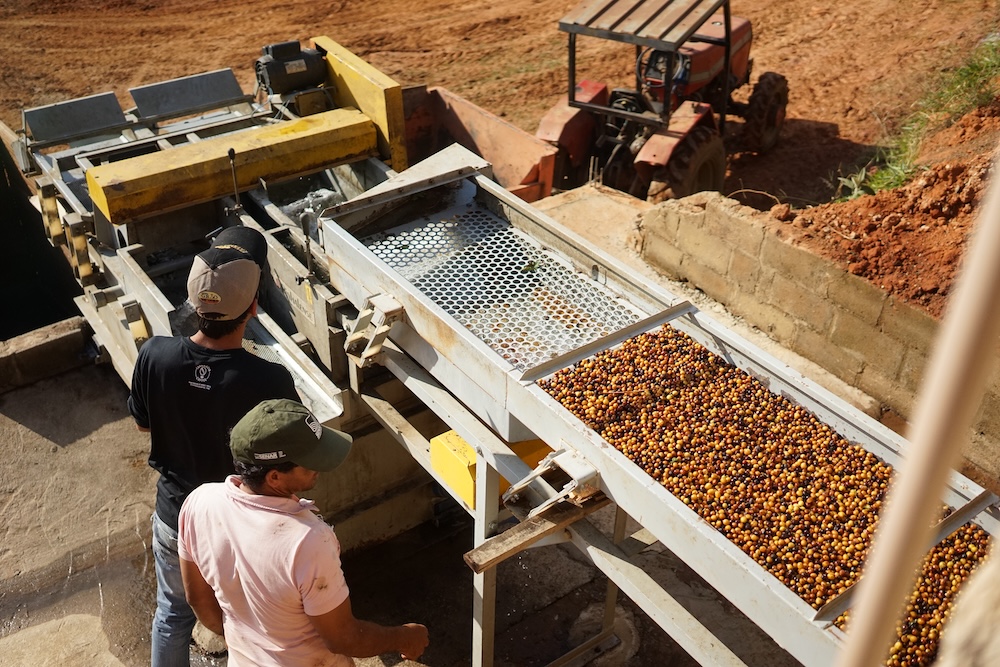
At the CPU, cherries go through gravity sorting in the grading channels, separating them into P1, P2 and P3 grades, while P-light and floaters are removed. Each grade is then dried separately, with additional hand sorting taking place on the drying tables, particularly for higher-grade coffees. At the CPUs we work with, there is an employee that identifies and separates higher-quality cherries as they arrive. These are marked and processed separately at our request, giving us greater control over the lots we source and their traceability.
Washed processing varies between sites depending on the infrastructure and space available. Both wet and dry fermentation methods are used. At some stations, the grading channels are too small to handle the volume of coffee being processed, so dry fermentation is used to speed up the process. For our anaerobic coffees, only carefully sorted cherries are selected and fermented in barrels for five days.
Quality
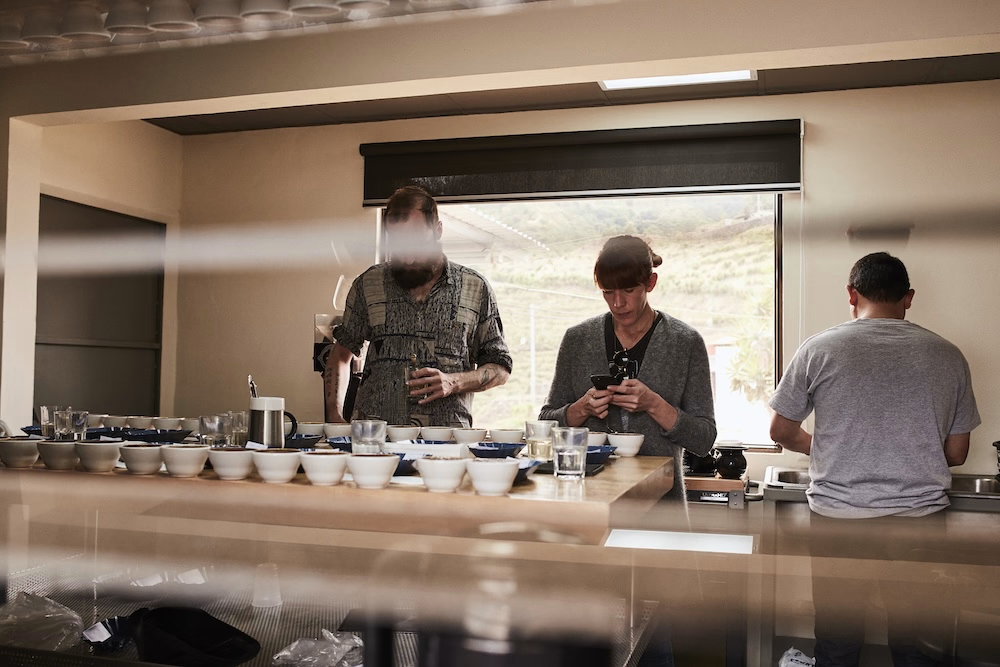
Quality in Tanzania is improving, and as a coffee importer, we are actively working with our partners to strengthen it further and prioritise quality development across the supply chain. We cup coffees at multiple stages of the product cycle, visit processing sites and stay in close, ongoing communication with our partners on the ground. This allows us to identify opportunities for improvement and follow coffees more closely from cherry intake through to export. Once ready for shipment, coffees are packed in vacuum-sealed boxes to help preserve quality during transport and storage.
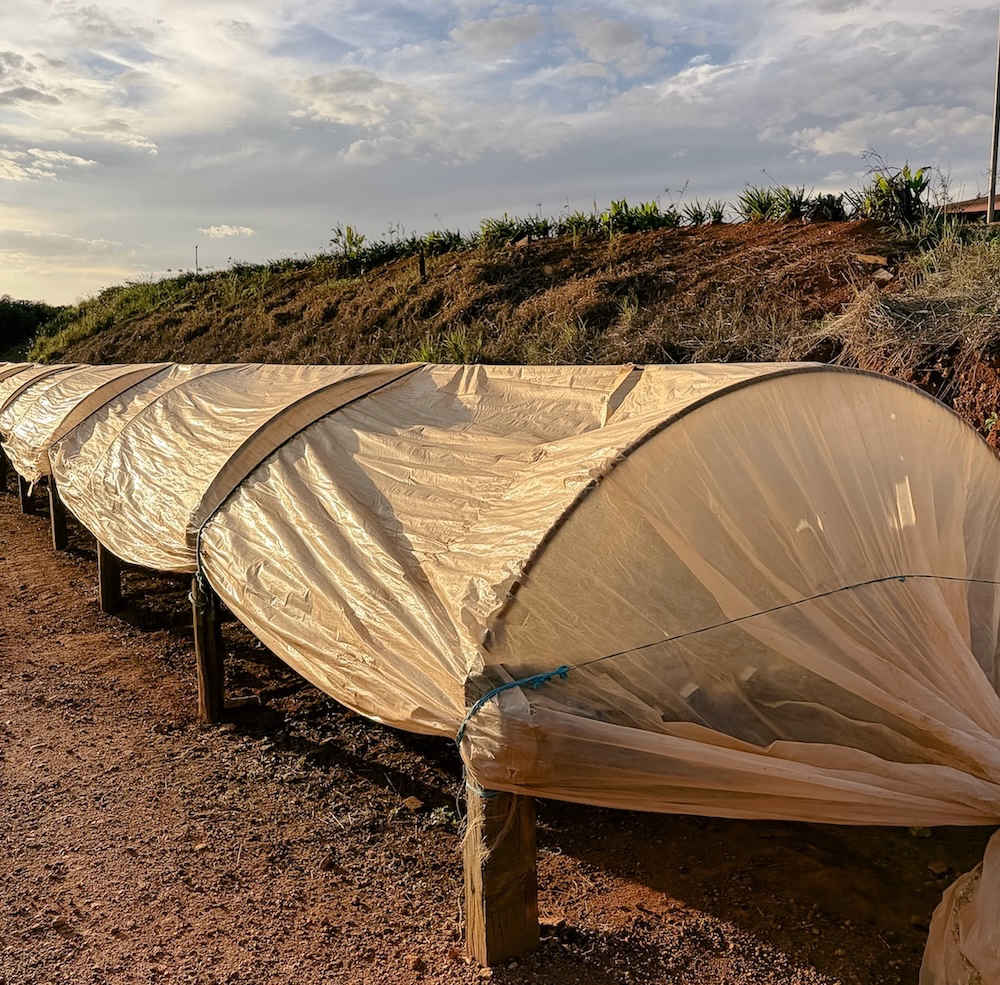
Our partners are investing at washing station level to improve processing and quality, including eco-pulpers for better processing control and lower water use, improved drying protocols, and solar drying tents that protect parchment from nighttime moisture and maintain more consistent temperatures. Together, these improvements are helping produce cleaner, more stable coffees and reduce the processing defects historically associated with Tanzanian coffee.
Transparency
Our approach to transparency in Tanzania centres around separating coffees at CPU level and maintaining this separation through the dry mill. At our request, higher-quality coffees from individual processing sites are identified and kept separate from the broader AMCOS lots, allowing us to trace coffees back to the specific CPU where they were produced and processed. This gives us a clearer understanding of where quality is coming from and allows exceptional sites to be recognised for their contribution.
Impact
By separating coffees at CPU level and paying more for higher-quality lots, we can direct higher prices back to the AMCOS and the farmers supplying them. As a coffee importer, we can help strengthen this value chain by differentiating more lots based on quality and origin, allowing the average price paid to increase and creating greater value for producers over time. Beyond our direct sourcing, our Ibero partners in Tanzania support longer-term development through initiatives including a 200,000-tree coffee nursery and coffee schools, using coffee premiums to support agricultural education and opportunities for young people.
About the origin
Tanzania has a long history of coffee production, with Arabica introduced in the late 19th century and coffee becoming an important commercial crop during the colonial period. Today, around 90% of Tanzanian coffee is produced by smallholder farmers, with Arabica grown in several distinct regions across the country. While Tanzania is often associated with the northern areas around Kilimanjaro and Arusha, the Southern Highlands around Mbeya and Songwe have become an increasingly interesting source of specialty Arabica.
Located at around 1,400–2,000 metres above sea level, Mbeya and Songwe offer an ideal combination of elevation, mountainous terrain, fertile soils and a cool highland climate. The slower cherry maturation at these elevations can contribute to sweetness and complexity, while the region's growing conditions are well suited to producing expressive Arabicas. Coffees from the Southern Highlands are often characterised by berry and floral notes, balanced acidity and a sweet, rounded cup profile.
Tanzania's coffee sector has traditionally been geared towards commercial production, with coffees commonly marketed through cooperatives and auction systems and differentiated largely by physical grades such as AA, AB and PB. The growth of specialty coffee is creating more opportunities to separate coffees by region, producer, processing and quality, allowing the distinct characteristics of areas such as Mbeya and Songwe to come through more clearly. As a coffee importer, we see the Southern Highlands as particularly exciting: a well-established coffee-growing region with the natural conditions for quality, where improvements in processing and quality-focused sourcing are helping unlock more of its specialty potential.
Interested in this origin? Talk to your sales rep.





What’s new?








Newsletter
For SPOT buyers looking to learn more about our coffee origins and stay up to date with early harvest insights.