As an importer, we spend a lot of time thinking about value: where it's created, where it's lost, and how every actor in the supply chain contributes to the final cup. We've worked with roasters who buy exclusively through importers, and with others who have built meaningful direct relationships with producers over many years. Both models can work well. However, from our experience, specialty coffee has never been about having the shortest supply chain. It's about building the best one. And those are not always the same thing.
The reality of moving coffee from producer to roaster is complex. Importers help navigate that complexity by connecting origin and market, managing risk, protecting quality, and coordinating the infrastructure needed to move coffee efficiently and transparently. Every coffee relies on a network of actors, from exporters and dry mills to logistics providers and quality control teams. A good importer brings these moving parts together to create value for both producers and roasters. Let's get into it!
Coffee importing extends far beyond buying and shipping
At Nordic Approach, our buyers each specialise in dedicated origins across eleven producing countries. This allows us to stay closely connected to what's happening on the ground, helping roasters plan their purchasing in advance to secure seasonal, consistent and high-quality coffees.
In Ethiopia where the supply chain is particularly complex, we have a dedicated local team managing supplier relationships, quality control, and logistics. Having people on the ground allows coffees to be evaluated at multiple stages of production, issues to be resolved quickly, and decisions to be made by people who understand the language, culture and local context.
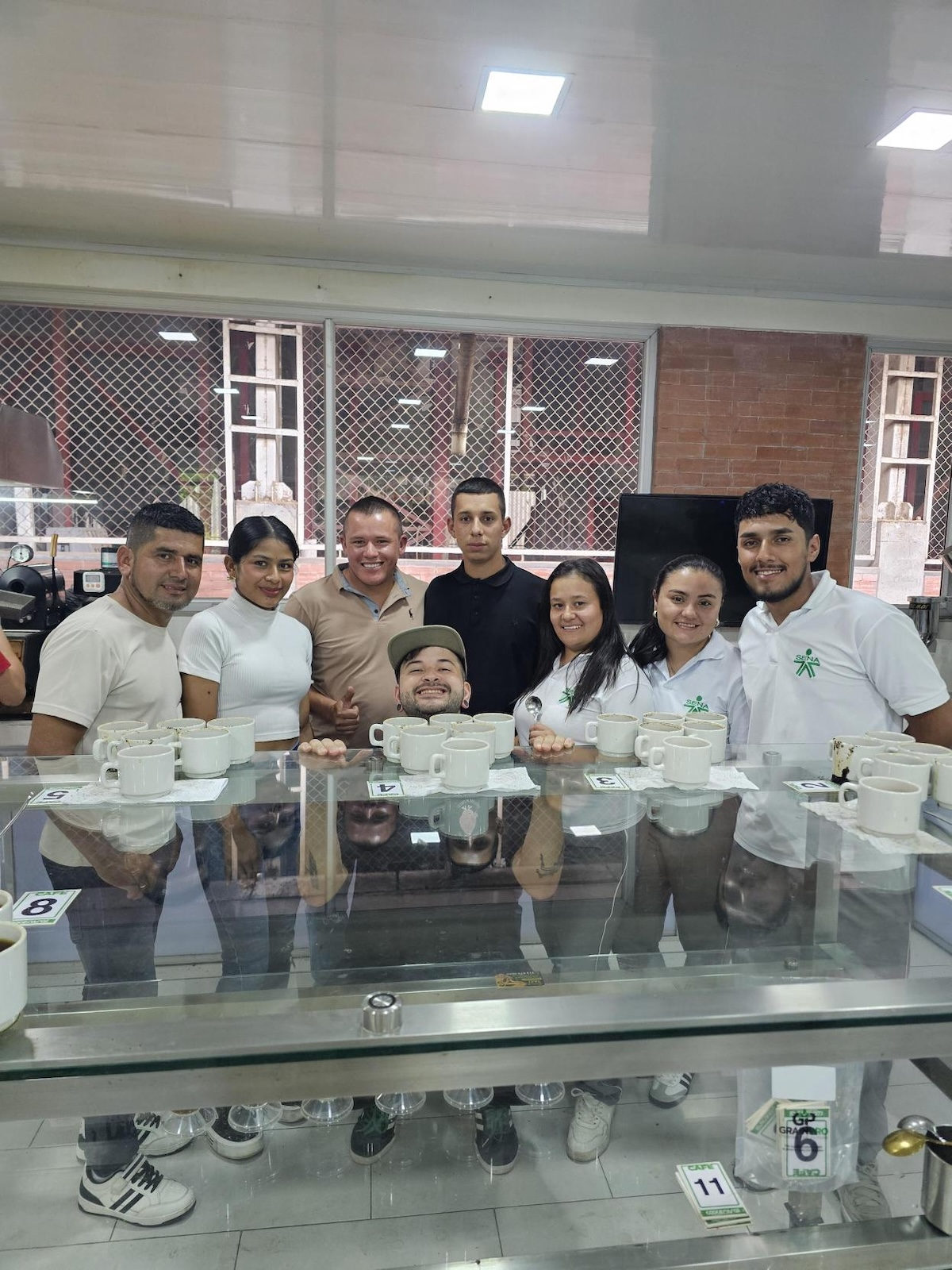
In Colombia, we also have a local buyer focused on sourcing, relationship management and quality control. Every harvest, he visits suppliers and producers, cups and calibrates coffees, attends industry events and educational programmes, and works closely with producers on product development.
The rest of our procurement team is based in Oslo and travels regularly to origin to maintain presence.
.jpg)
Beyond sourcing, we focus on product development at origin, coordinate international logistics, manage market-specific documentation, oversee quality control protocols throughout the supply chain, and ensure coffees move efficiently from origin to either our warehouse in Belgium or directly to your destination (depending on if you are buying SPOT, Forward Booking, or direct shipments). Through Seabridge, our climate- and humidity-controlled warehouse in Belgium, we offer flexible storage for customers who want to secure coffees when they're available while taking delivery when they need them.
If you want to learn more about how we do logistics at Nordic Approach, read here.
We also support both producers and roasters through financing solutions that create greater stability throughout the supply chain. This can include pre-financing farmers at origin, loyalty programmes for roasters, volume-based pricing, and flexible purchasing agreements that allow roasters to secure coffees over a defined period rather than only buying on the spot.
For customers who want to deepen that connection even further, we also organise origin trips, giving roasters the opportunity to visit producers, cup coffees together, and experience first-hand the work that goes into every harvest.
Check out upcoming origin trips here.
Relationships at origin are built through information, not just farm visits
As our Green Coffee Buyer in Colombia, Juan Suarez, often says: "It's easy to buy good coffee. What's difficult is returning to the same producers year after year and building relationships that last."
Throughout the year, this means discussing how a harvest is progressing, understanding the impact of weather or logistics, reviewing quality results, sharing feedback from roasters, and talking through new processing experiments before they even begin. It means regular video calls, phone calls and meetings with producers and suppliers to align expectations long before coffee is loaded into a container.
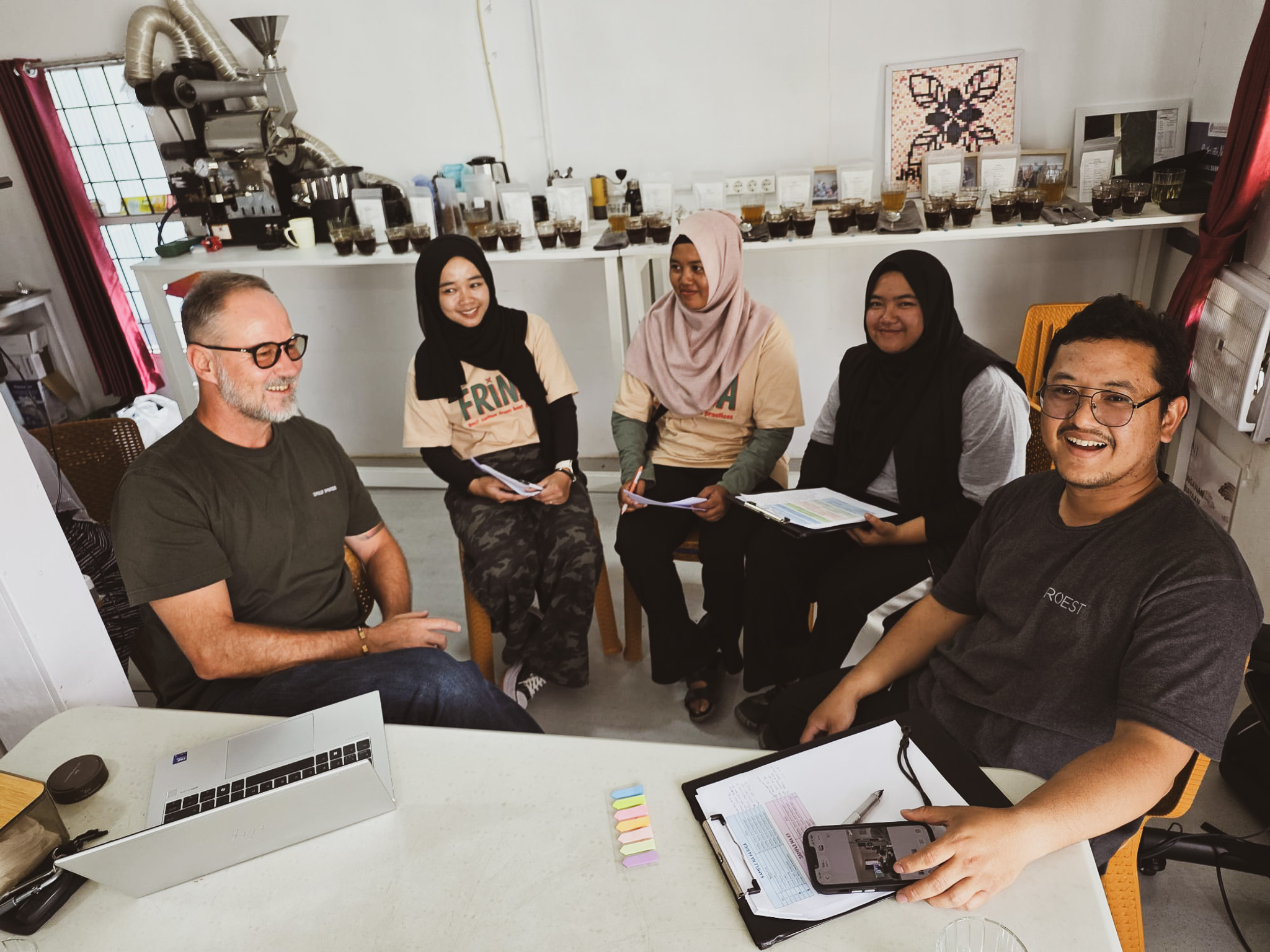
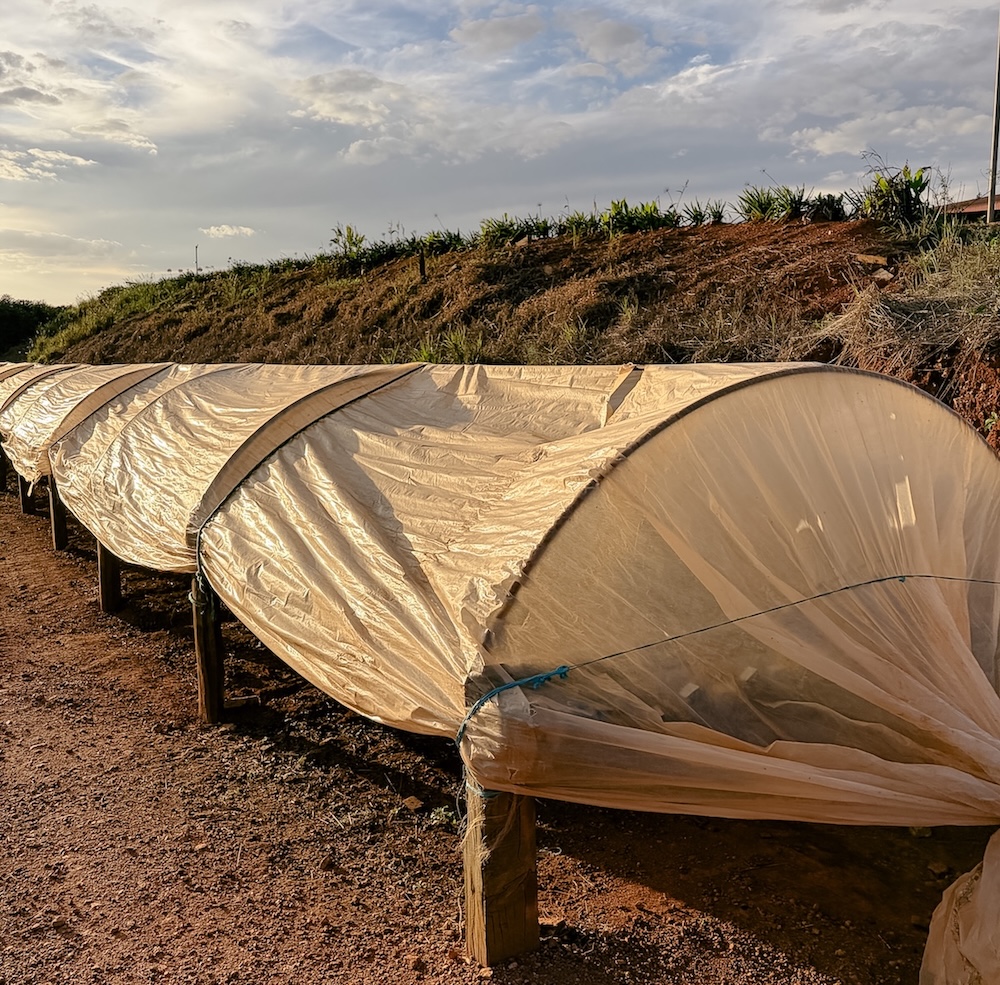
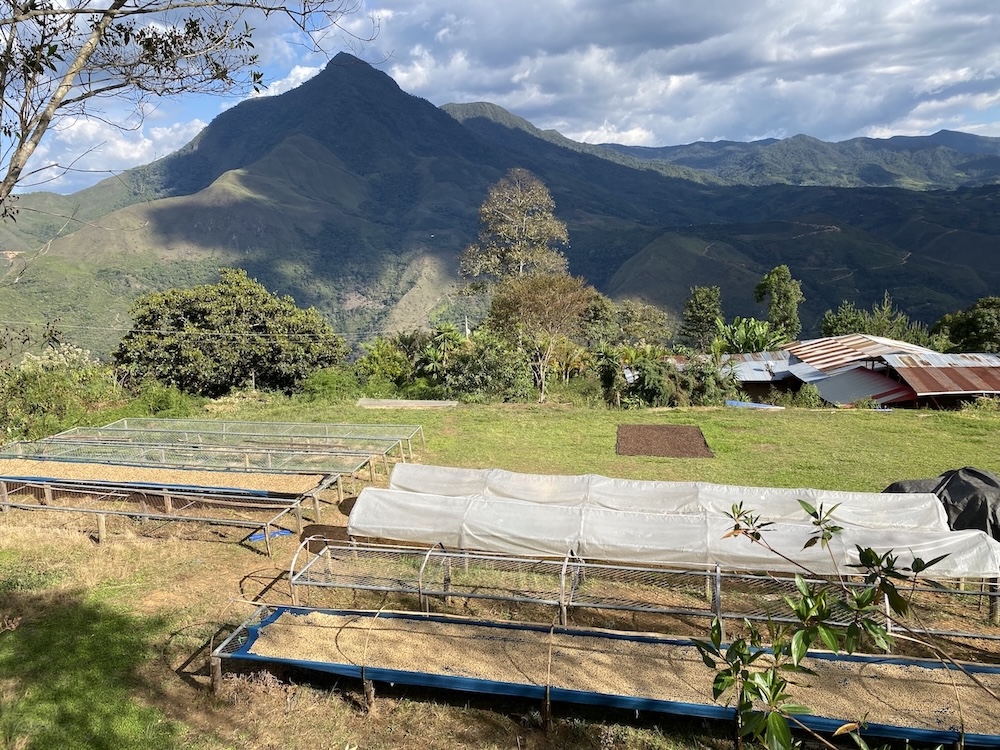
Just as importantly, it means understanding where producers are investing, and where they need support. Whether that's new drying infrastructure, processing experiments, improved variety separation or other quality-focused investments, those decisions require confidence that there is genuine market demand.
An importer plays an important role in communicating that demand. We help producers understand what roasters are looking for, which flavour profiles are gaining traction, and what level of consistency and traceability customers expect. At the same time, we communicate the realities of origin back to the market; explaining harvest challenges, changes in quality, or logistical issues that may affect availability.
Communication is reinforced by process. Collecting samples at multiple checkpoints, insisting on robust quality protocols, and evaluating coffees throughout production creates opportunities to identify issues early while ensuring everyone is working towards the same expectations.
Building consistent, repeatable coffees rarely happens in a single harvest. It takes years of dialogue, feedback, and refinement.
Expertise reduces risk for producers and roasters
Coffee supply chains are complex, and every producing country operates differently. Harvest calendars differ. Export regulations change. Infrastructure varies. Political events, weather, local logistics and shipping constraints all influence how coffee moves.
What do producers need before they invest in production?
Before a coffee is ever sold, producers may have invested in improved infrastructure, new drying equipment, additional labour for selective picking, better variety separation, or countless other improvements that increase quality.
Those investments are often driven by market demand, but producers need confidence that if they make them, there will be committed buyers on the other side.
This becomes even more important when exploring experimental processing methods, new varieties or innovative farming practices. These coffees often require greater investment while carrying greater uncertainty, and therefore, clear expectations and protocols.
For example, what happens if the arrival sample doesn't match the pre-shipment sample? An experienced importer helps create the framework that makes these projects viable, whether through pre-financing, structured purchasing commitments, clear quality expectations or transparent quality protocols.
How do we manage risk for the roaster?
Roasters need to know that the coffee they selected is the coffee that will arrive. They need confidence that the quality, traceability, and story behind that coffee remain intact.
Ensuring that consistency is far more complex than approving a pre-shipment sample and arranging transport. A pre-shipment sample provides an important snapshot, but it is still only a snapshot.
Coffee is a living product, so it continues to change throughout storage, milling, preparation for export and shipping. Moisture levels fluctuate, milling outcomes vary, processing defects can become more apparent, and logistics delays introduce new risks.
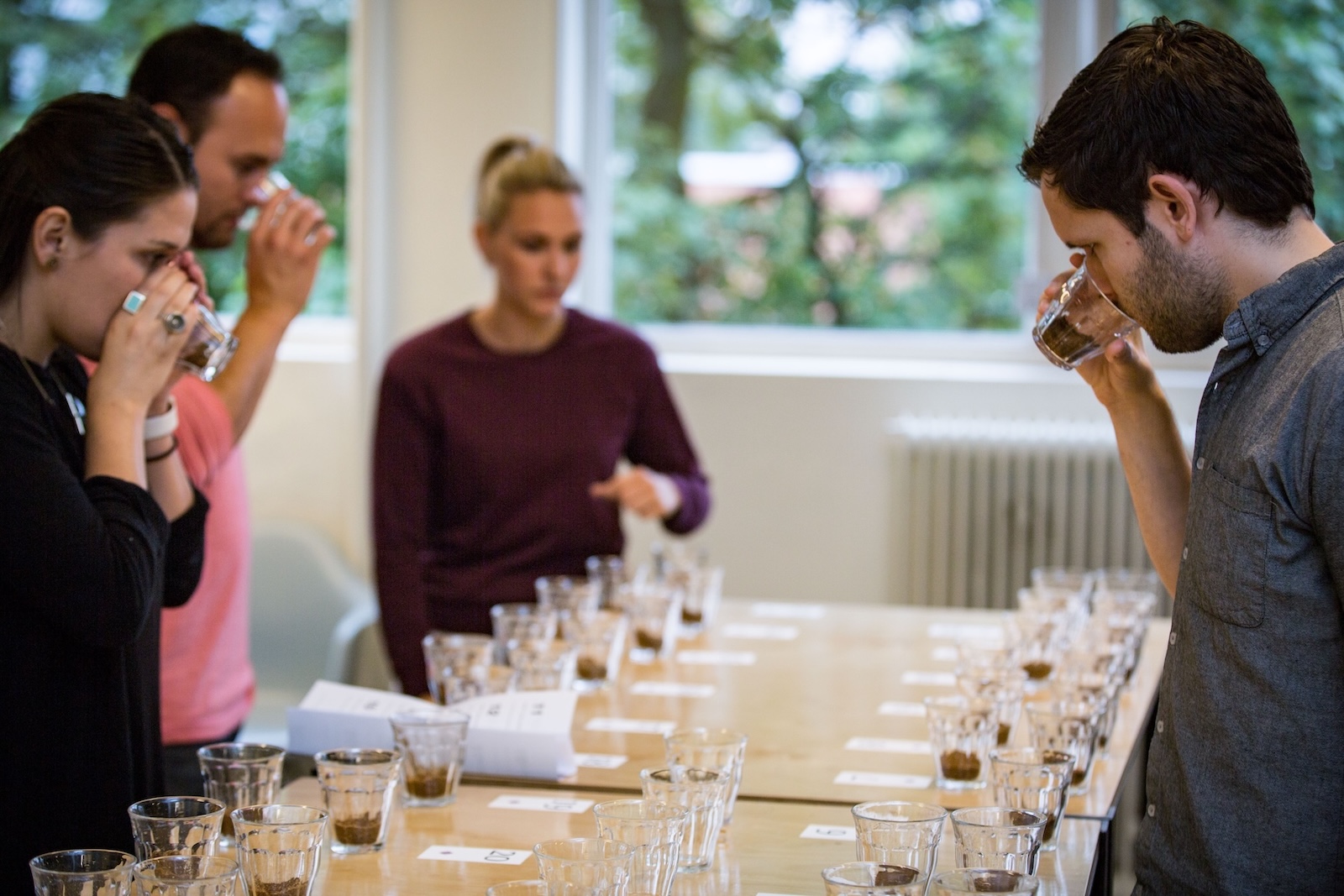
Maintaining quality requires continuous oversight. Experienced importers monitor processing decisions, cup coffees at multiple stages, measure bean density, moisture activity, communicate regularly with producers and exporters, and continue evaluating lots throughout the supply chain.
If a coffee arrives exactly as expected, that is rarely a coincidence. It is usually the result of hundreds of decisions, conversations and quality checks.
A final note
A specialty coffee importer’s role to bring together the people, knowledge, systems and expertise needed to protect and increase the value of coffee throughout the supply chain.
From building long-term relationships at origin and supporting producers with market insight, to managing quality, logistics, traceability and risk, much of this work happens behind the scenes. When it is done well, the result is simple: producers have a reliable market for the coffees they invest in, and roasters can buy with greater confidence in what will ultimately arrive in their warehouse.
The best supply chains are the ones where every actor contributes meaningful value, and where the work behind the scenes is strong enough that, by the time the coffee reaches the roaster, the cup and its story speaks for themselves.