


What Are Coffee Varieties?
Coffee varieties, sometimes called cultivars, are the genetic expressions of coffee species. Within Coffea arabica, common varietals include Bourbon, Typica, Caturra, Catuai, SL28, SL34, Gesha, and others. Varieties differ in bean size, density, maturation rate, disease resistance, and flavour potential.
For specialty buyers and roasters, understanding variety is critical: it influences sweetness, acidity, body, and aroma in the cup, as well as how the coffee responds to harvest timing, processing, and roast profiling.
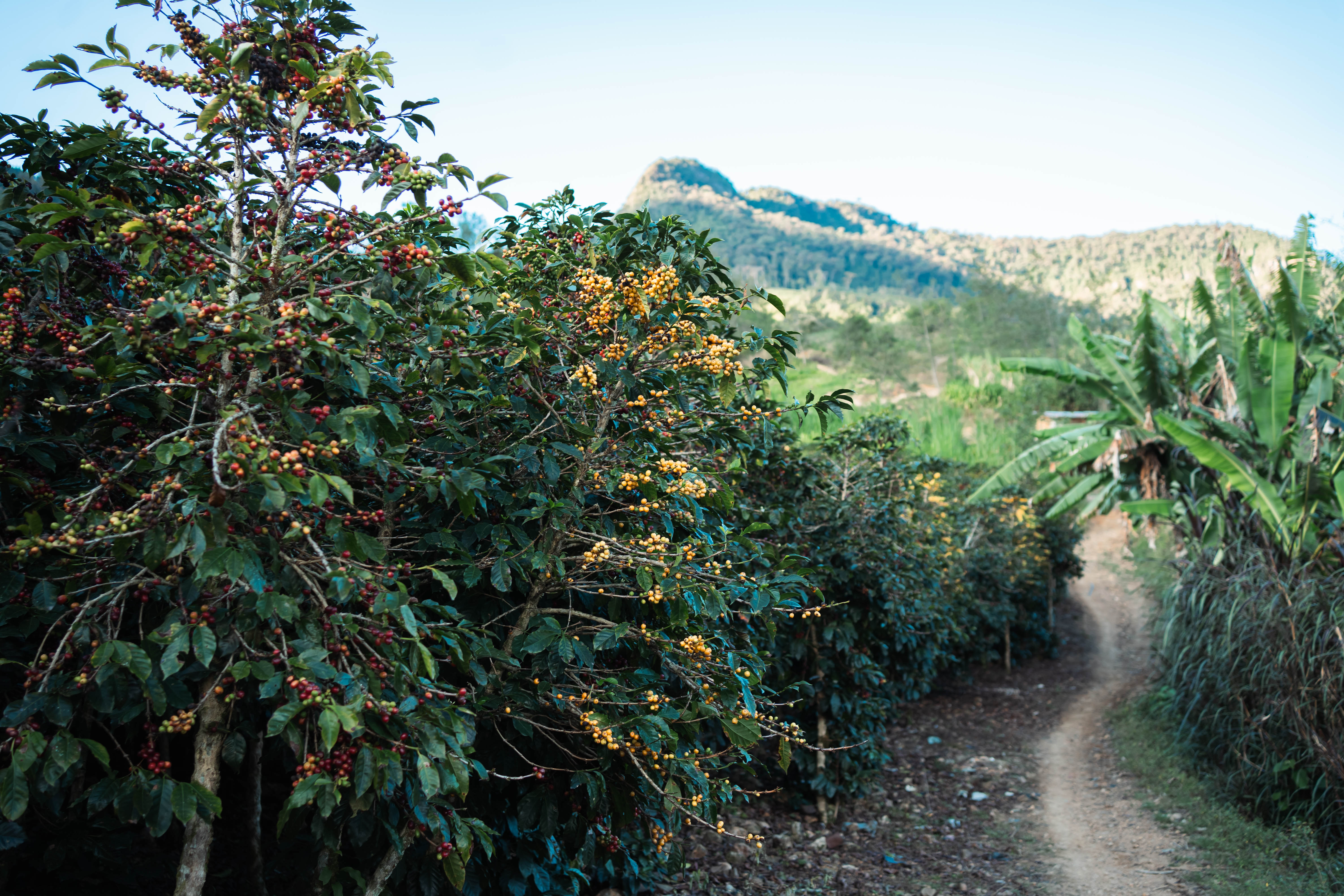
Why Coffee Varieties Matter
Flavor expression
Genetics set the framework for a coffee’s flavour potential. For example, Geisha is known for pronounced floral and tea-like notes, while Bourbon and SL28 often produce complex, balanced cups with bright acidity and structured body.
Agronomic considerations
Varieties have different tolerances to altitude, climate, and disease. High-density, altitude-adapted varieties often perform best in mountainous origins, while lower-density or hybrid varieties may suit more resilient or high-yielding production systems.
Traceability and differentiation
Single-variety lots allow roasters to isolate genetic expression and terroir influence, enabling precise quality evaluation and storytelling. Mixed-variety lots can be blended to achieve consistent regional profiles.

Where Nordic Approach Fits In
We assess varietal composition at origin through farm visits, cooperative inspections, and mill evaluations. Understanding which varieties are planted, how they are managed, and their processing potential helps us identify lots that meet roaster expectations for cup clarity, complexity, and consistency.
FAQ About Coffee Varieties
Q1: Does a rarer variety always taste better?
A1: Not necessarily. While rare or heritage varieties often have distinctive flavours, final cup quality depends on agronomy, harvesting, and processing practices.
Q2: Can one farm grow multiple varieties?
A2: Yes. Many farms plant several varieties to stagger harvests, mitigate disease, or create specific blends. Lot separation is crucial to preserve varietal expression.
Q3: How do hybrids fit in?
A3: Hybrids, like Catimor or Pacamara, combine traits such as disease resistance, yield, or cup quality. They are increasingly common in specialty production but must be evaluated individually for flavour and processing suitability.