Competitions in the specialty coffee world aren’t just about skill, they’re also about strategy, timing, and understanding the beans you’re working with. We sat down with James Winter and Rory Rosenberg to get their take on how to select and prepare coffee for competitions. Here’s what they had to share.
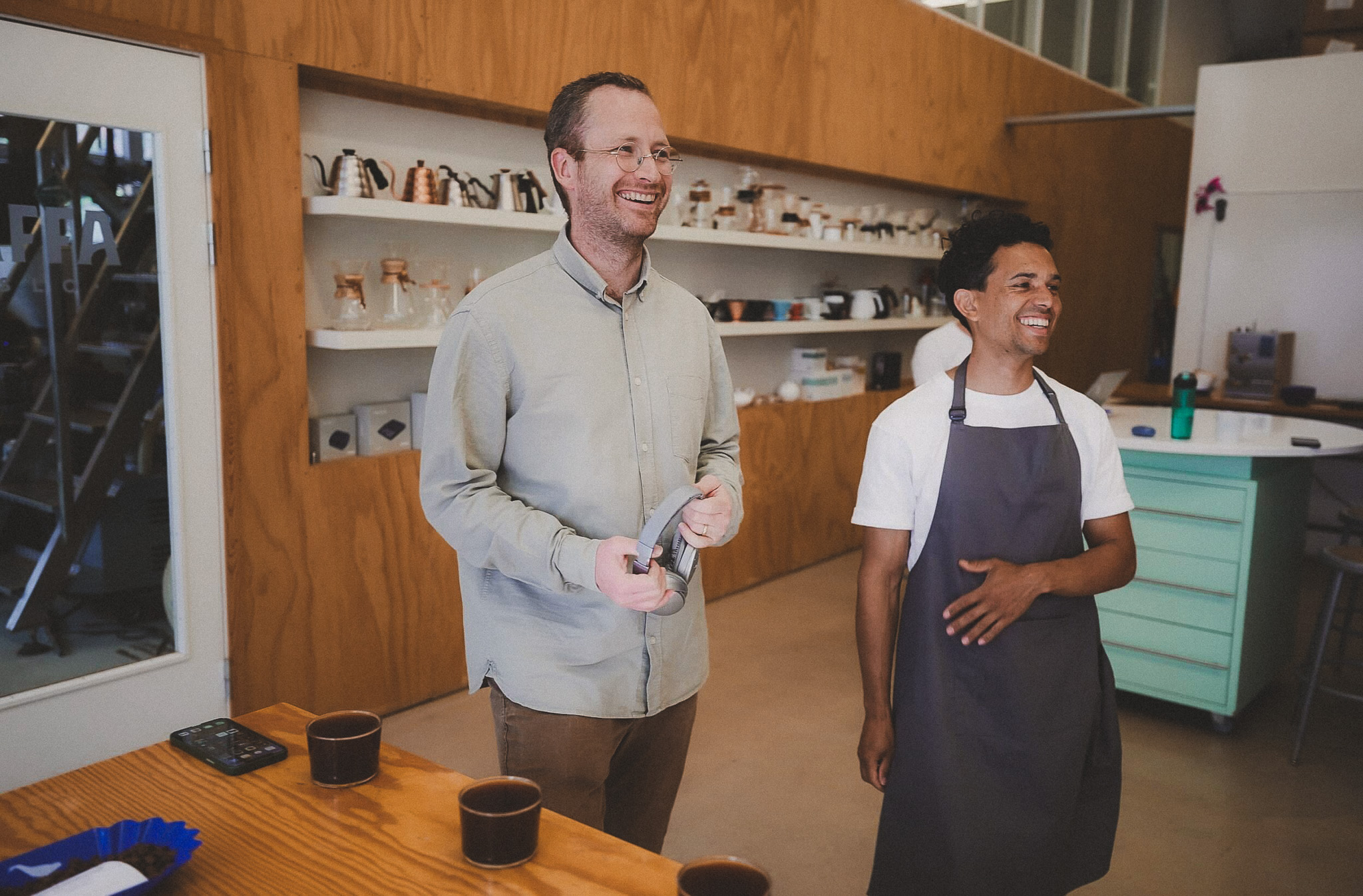
James Winter has been in the coffee industry for over 12 years, moving from barista work to production roasting, training, sales, and now managing Nordic Approach’s sales for the Nordic region.
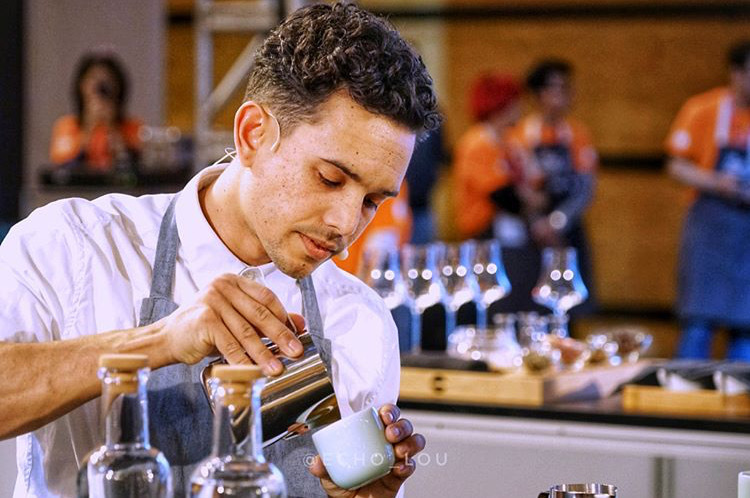
Rory Rosenberg brings 13 years of experience, starting as a barista in South Africa before moving to Norway, where he won the national barista championship in 2017 and represented Norway at the World Championships in South Korea. Today, he’s a green coffee buyer for Central and South America at Nordic Approach, with experience in both brewing and roasting.
Both have competed in, judged, or advised on espresso and brewing competitions, giving them a unique perspective on what makes a coffee competition-ready.
What is a Coffee Competition?
Rory explains that competitions are mostly split into espresso and brewing categories. In classic barista competitions, competitors prepare four espressos, four milk drinks, and four signature beverages in 15 minutes, all while demonstrating technical skill, knowledge, and service.
Competitions test both preparation and adaptability. Sometimes you choose the coffee yourself, other times you need to react to what you’re given.
Tip 1: Know the rules and plan your timeline first
James emphasizes that before worrying about flavour profiles or fancy techniques, competitors need to fully understand the rules and timing. Knowing when your coffee is shipped and will physically arrive at your roastery, when to start profiling it, and what the competition parameters are can prevent unnecessary stress. “A lot of people visualize the end result but don’t plan for the buildup,” he says.
Rory adds that these fundamentals, rules, and logistics are just as important as taste. Without them, even the best coffee can underperform.
Tip 2: Source responsibly because traceability matters
Does Nordic Approach have a “competition coffee” category? Rory says no, we don’t set aside a specific lot for competitions. Instead, when sourcing, he makes a point to look for high-potential coffees that could appeal to competitors. But it’s not just about cup quality. Ethical sourcing and traceability are non-negotiable. “We need to know who produced it, where it’s from, and whose hands it’s passed through,” he says.
While judges ultimately focus on flavour, sustainability and traceability aren’t always part of the scoring criteria and that’s not necessarily the point of competition. But for the coffee industry, it matters. When competitors present a coffee and speak about its origin, they’re also representing the supply chain behind it. Having a clear, transparent understanding of that chain is fundamental, not just for credibility on stage, but for how we move forward as an industry.

Tip 3: Roast the coffee to reveal its strengths
When it comes to roasting competition coffee, James stresses that the fundamentals don’t change. Whether you’re roasting for production or for a competition, the goal is to understand the coffee, highlight its acidity, sweetness or body and make adjustments based on what’s in front of you. “Highlighting or hiding, it pays to be intentional about it,” James explains.

Tip 4: Be aware of trends, but stay true to your identity
Competition coffee has evolved significantly over the years. Rory notes the trend shift from fully washed coffees to experimenting with new varieties, naturals, and advanced processing methods like carbonic maceration or co-fermentation. Light roasts became popular with the Nordic-style influence, but the trend has balanced out over time. Rory adds that it’s also crucial to be aware of trends while staying true to your roastery’s style.
“Ultimately, it’s about making the coffee taste really, really good,” he says. James adds that competitors also have to read their audience, judges have preferences, and playing to that can make or break your performance.
Tip 5: Enjoy the Learning Process
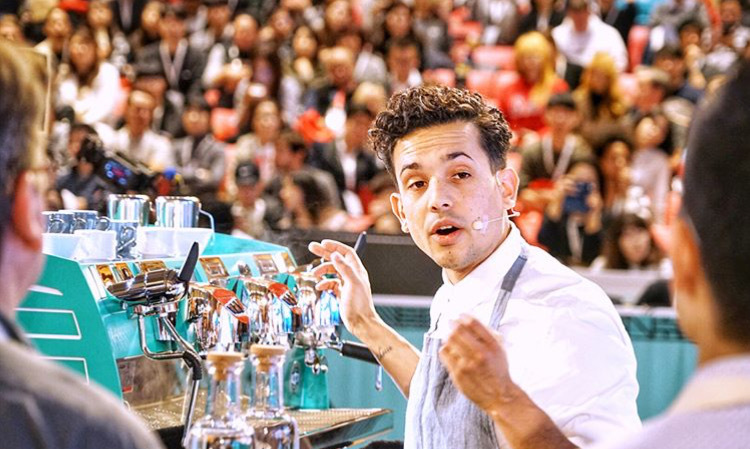
Both agree that the value of competitions isn’t just winning, it’s the learning journey. Rory encourages coffee professionals to compete or be part of a team: “You’ll learn a lot, and you should go in with a mindset to learn, not just to win.” The key is to stay open-minded, explore different origins and processes, and fall in love with the process itself, not just the outcome.
Our Final Thoughts
Selecting coffee for competitions is as much about planning, strategy, and understanding rules as it is about taste. For competitors, the process: sourcing, roasting, preparing, and presenting, is where the real growth happens. Whether it’s mastering logistics, exploring trends, or refining your palate, each step adds depth to your coffee knowledge and skills.
As Rory puts it: “The learning curve can be extremely steep, but you will come out a better coffee professional on the other side.”
Learn more about Nordic Approach: How we cup and evaluate coffee quality from selection to arrival