Nordic Approach’s work in Honduras continues to evolve, balancing the need for reliable, scalable coffee import with a growing focus on differentiation, producer relationships, and long-term development.
On his most recent origin trip, Green Coffee Buyer Rory Rosenberg visited two key pillars of our sourcing strategy in the country: the Caballeros power couple located in Marcala, and the smallholder network coordinated through Café Raga in Intibucá and Lempira. While labour shortages are intensifying, energy costs are rising, and weather variability continues to test producers, innovation in processing, new varieties, and stronger producer-buyer collaboration are opening up new opportunities.
Let’s take a closer look at Rory's conclusions and what they reveal about the coffees arriving soon.
The Caballeros: control, scale, and new products
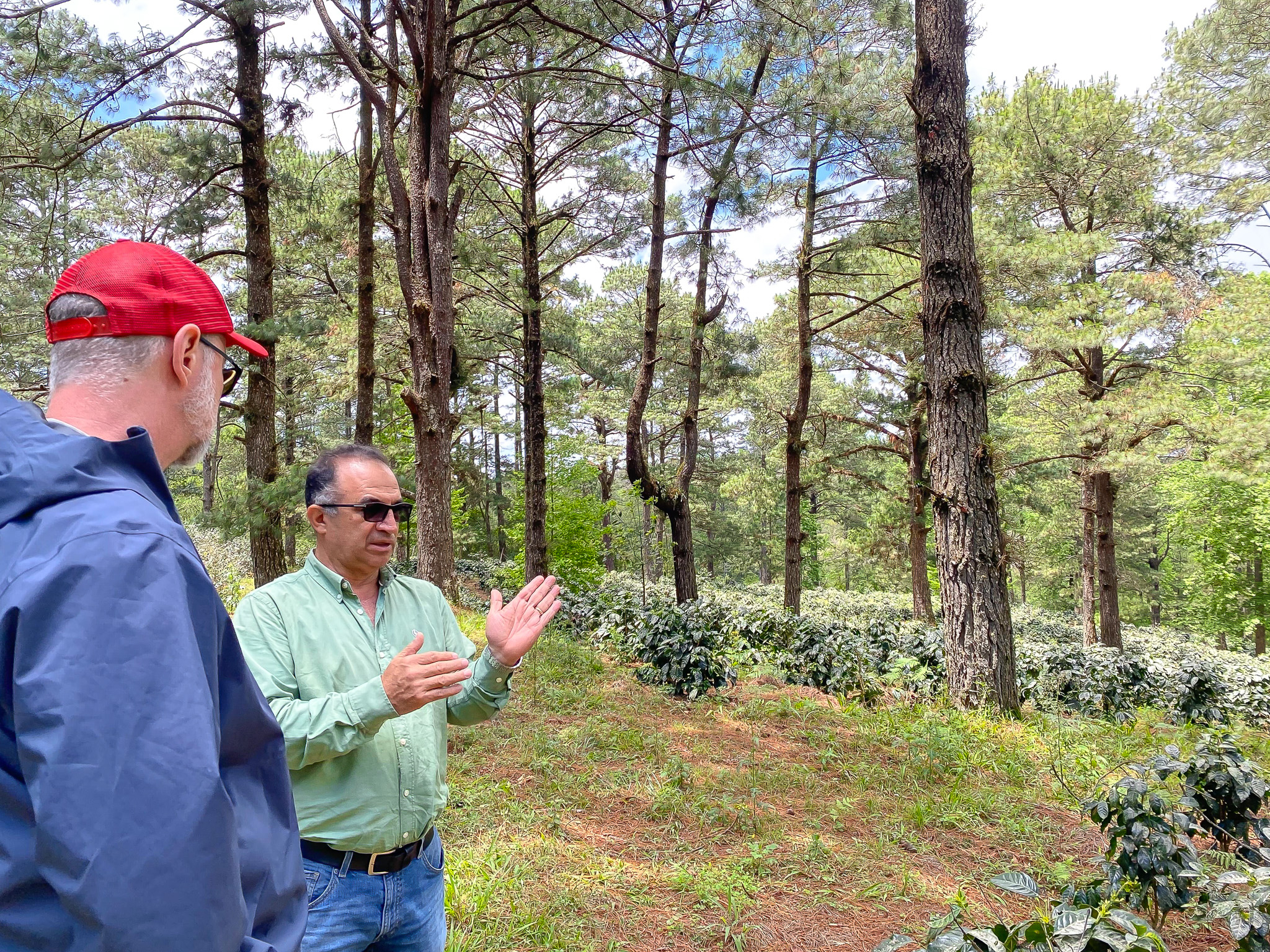
The Caballero family has long been one of our most established and reliable partners in Honduras, led by the duo Marysabel Caballero and Moises Herrera. Their operation stands out for something still relatively rare in the country: full control over the entire coffee production chain: from farm management to wet and dry milling.
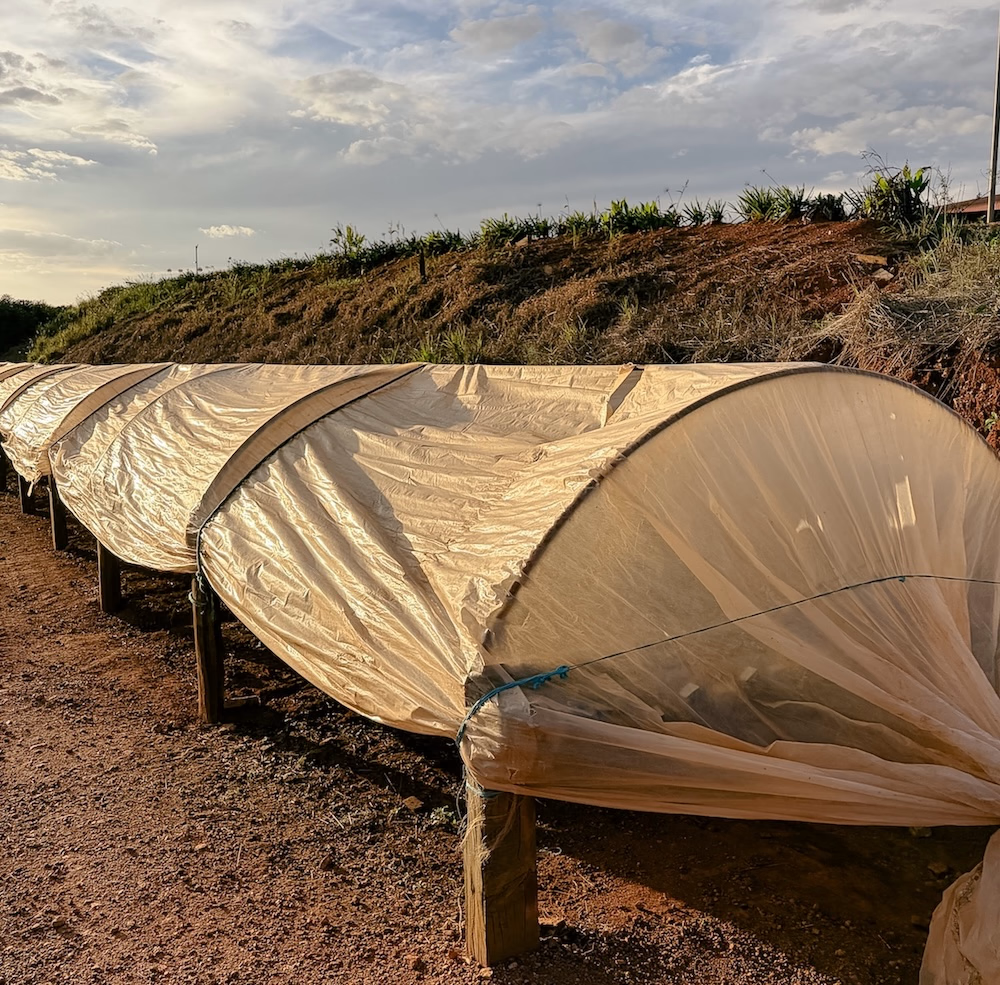
This vertical integration provides a level of predictability that is difficult to achieve elsewhere. Harvest timing is tightly managed through agronomic practices such as synchronised pruning and stripping every year, creating more uniform flowering and harvest windows. Combined with strong infrastructure, including mechanical drying capacity, this allows the Caballeros to mitigate risks related to weather, labour disruptions, and post-harvest inconsistencies.
For Nordic Approach, this results in a stable and repeatable supply, something that extends directly to your roastery. Honduran coffees from the Caballeros can serve as reliable “classics” on your menu, with well-established quality and production protocols ensuring consistency year after year.
What to expect this year
Caballero washed coffees have always been known for their clarity and balance; clean, elegant, and reliable. Those profiles will definitely remain a core part of the lineup, but this year we’re also trying something new: anaerobically fermented washed coffees.
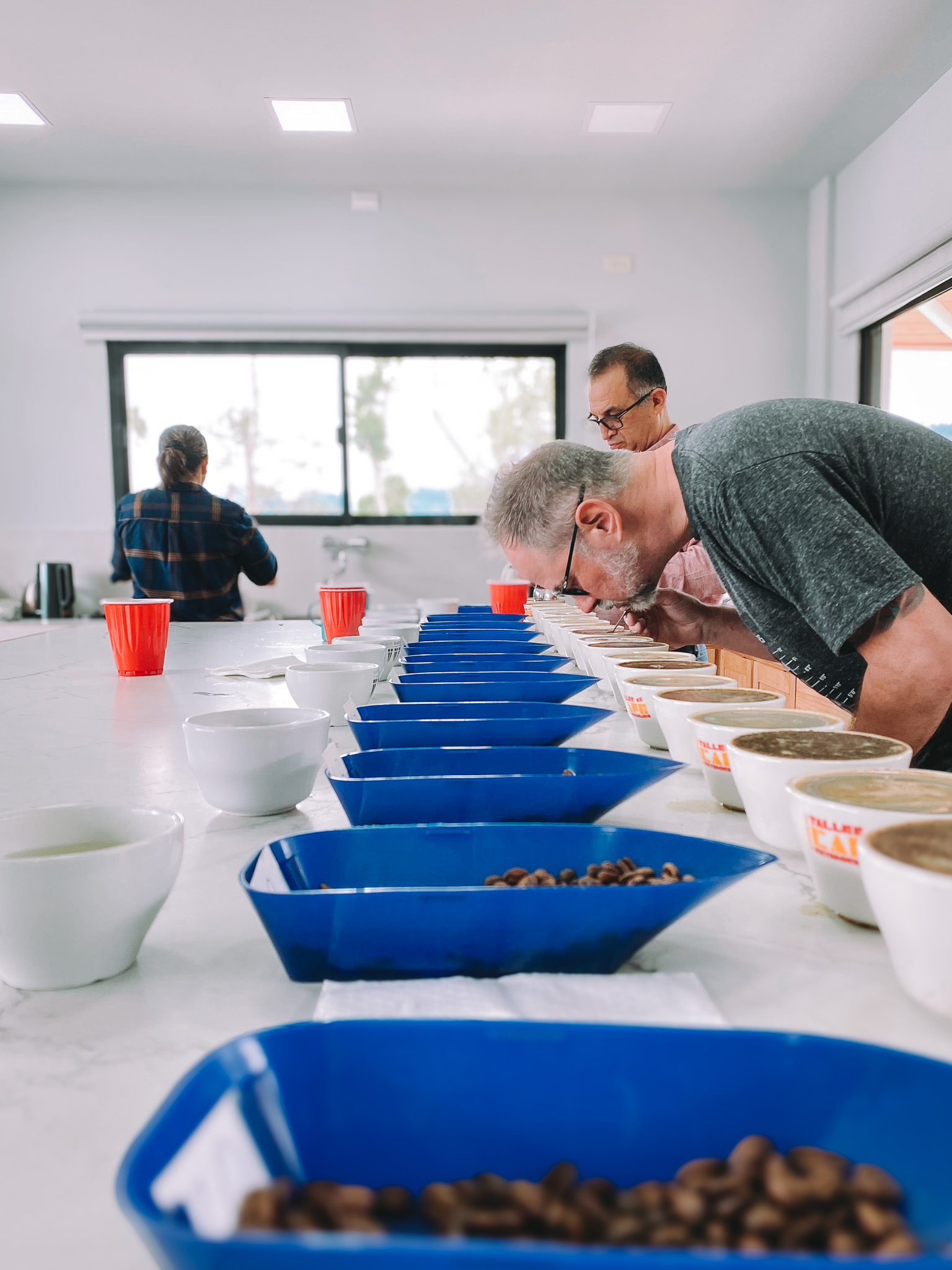
Cherries are sealed in GrainPro bags for around 72 hours before being processed as washed coffees. The result maintains structure and cleanliness while adding layers of fruit intensity and brighter acidity. These lots are currently produced as small microlots, and what we have cupped so far has been great.
We plan to also experiment with extended fermentation (potentially up to 96–100 hours) for upcoming harvests.
Alongside different processing methods, there is also a growing focus on varietal diversity at the Caballero farms. This year’s shipments include small volumes of SL28 and Java, packed in smaller 30 kg boxes.
These shipments are already on the way and are estimated to arrive in our EU warehouse mid-May.
Challenges to consider
Like much of Honduras, the Caballeros are feeling the pressure of rising costs. There are fewer pickers available, wages are going up, and electricity, key for drying and milling, has gotten noticeably more expensive.
As a result, prices are slightly higher than last year. They still offer solid value, but the gap to some of the lower-cost coffees in the region isn’t as big as it used to be. That said, the Caballeros still stand out for their consistency, infrastructure, and reliability.
View their coffees on our offer list.
Intibucá Smallholders & Café Raga: rare microlots with shared values
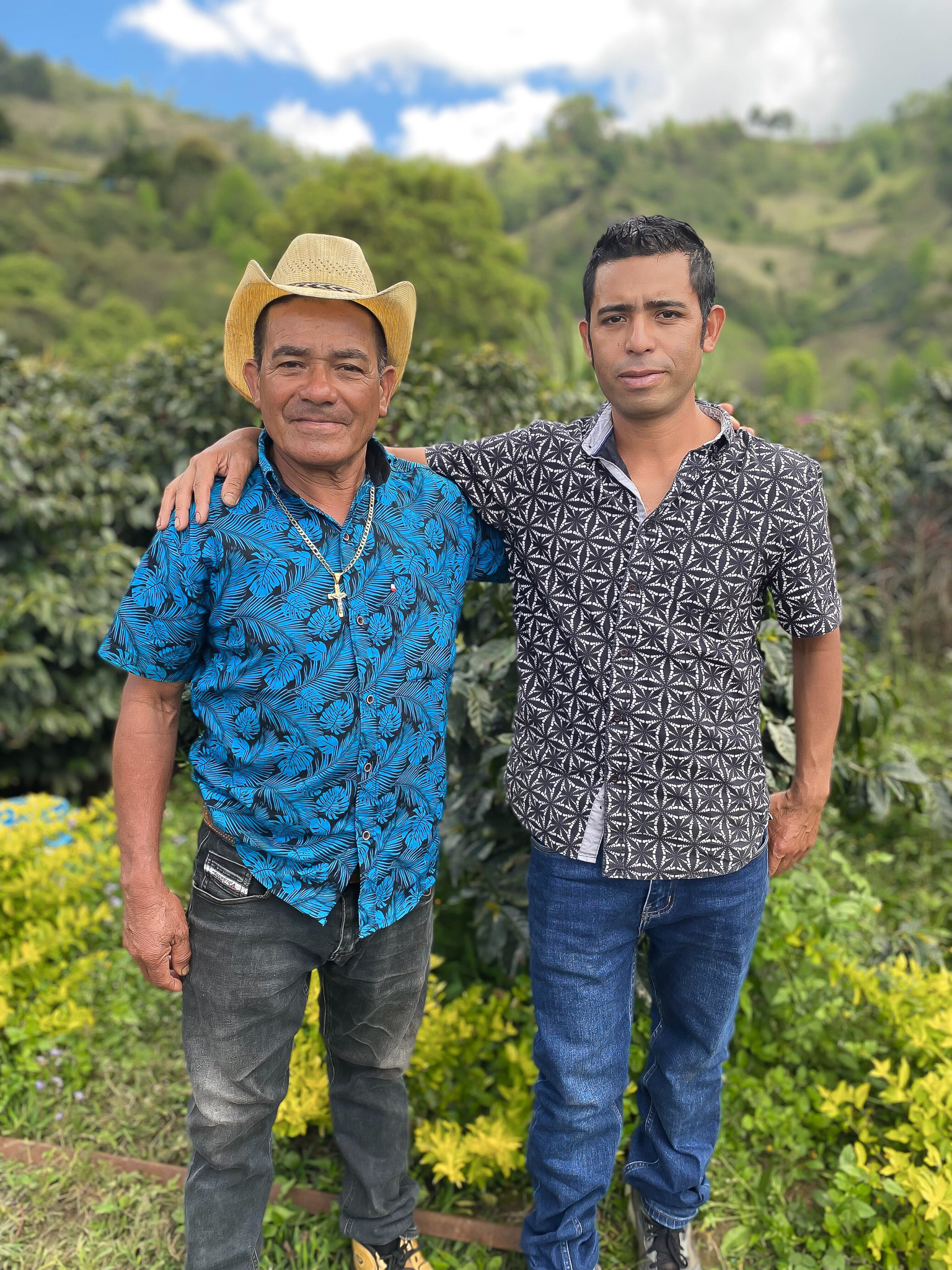
The Intibucá smallholders are a network of coffee producers, each contributing small volumes of distinctive coffees shaped by their local conditions, individual practices, and close agronomic support.
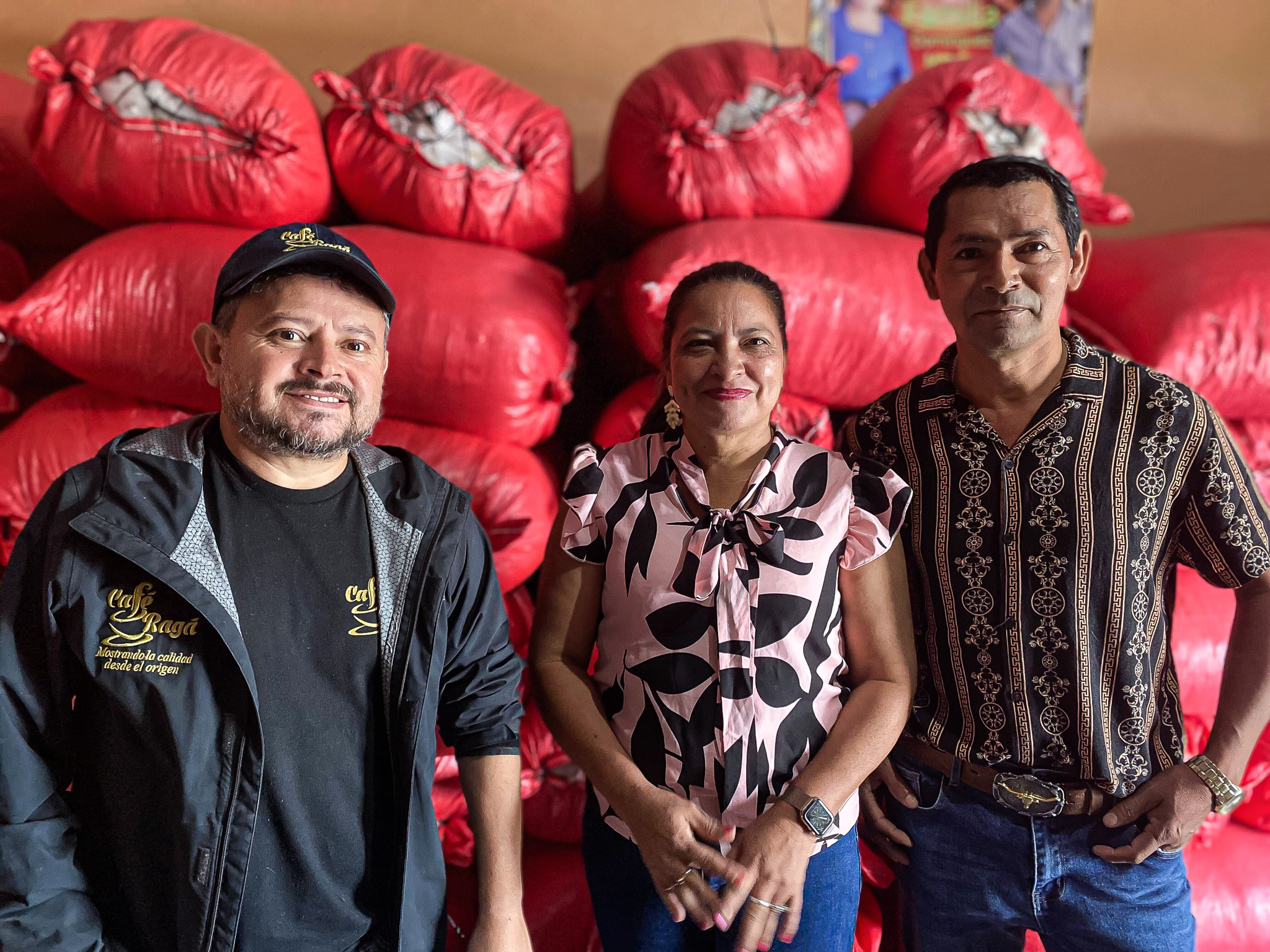
This work is coordinated by Rony Gamez through Café Raga, who acts as a bridge between the producers and the international market. Without Rony, most of these farmers wouldn’t have access to sell their coffees at a specialty level globally.
For roasters, these coffee beans are especially interesting because of their unique profiles. They’re high-scoring, small lots, real gems. “We source them not only for their rarity, but also because of the shared values and strong collaboration with the producers and Rony, which ultimately shows in the quality”, says Rory Rosenberg.
Building structure and quality
Most producers are working on a small scale and rely mainly on family labour. That can limit how much they produce, but it also means they’re less exposed to the rising labour costs that larger farms are dealing with.
Rony’s role at Café Raga is to bring all these coffee farmers together, support them with a team of agronomists, and help connect them to stable markets. He works with a transparent, USD-linked fee model, which helps protect producers from currency swings and gives them a more predictable income.
For Nordic Approach, this setup makes it possible to access specialty coffees from Honduras that would otherwise be very difficult to source, both in terms of logistics and building relationships.
Even at a small scale, there’s a strong and growing focus on quality. A big part of that comes down to mindset: producers who are willing to experiment, improve, and take on feedback. At the same time, it’s supported by ongoing training, agronomic guidance, and clear incentives tied to quality.
This year, Rory saw clear signs of growth and progress among the farmers he visited. Whether it was reinvesting in their farms, building new houses, or simply improving day-to-day living conditions, it’s obvious that staying in the specialty market is paying off for these producers.
As Rory put it:
“Especially over the last two to three years of price increases, in other countries like Peru we’ve seen producers step away from specialty because it’s no longer worth it, they can do half the work and still earn more than before. In this case, these coffees feel special because they’re small-scale, and you know the people behind them are committed to the same values as you.”
He also noted that across the Honduran farmers we visited, the impact is very visible:
“Travelling, we met about six farmers we work with and it’s very clear that investments are going back into both coffee production and quality of life. People are building side houses and improving their farms. It’s great to see.”
The network is also growing year by year, with new producers joining and adding both volume and diversity, while keeping quality at the center. You can read more about the project here.
Logistics: the ongoing challenge
Logistics are still the biggest challenge for both the smallholders and Rony.
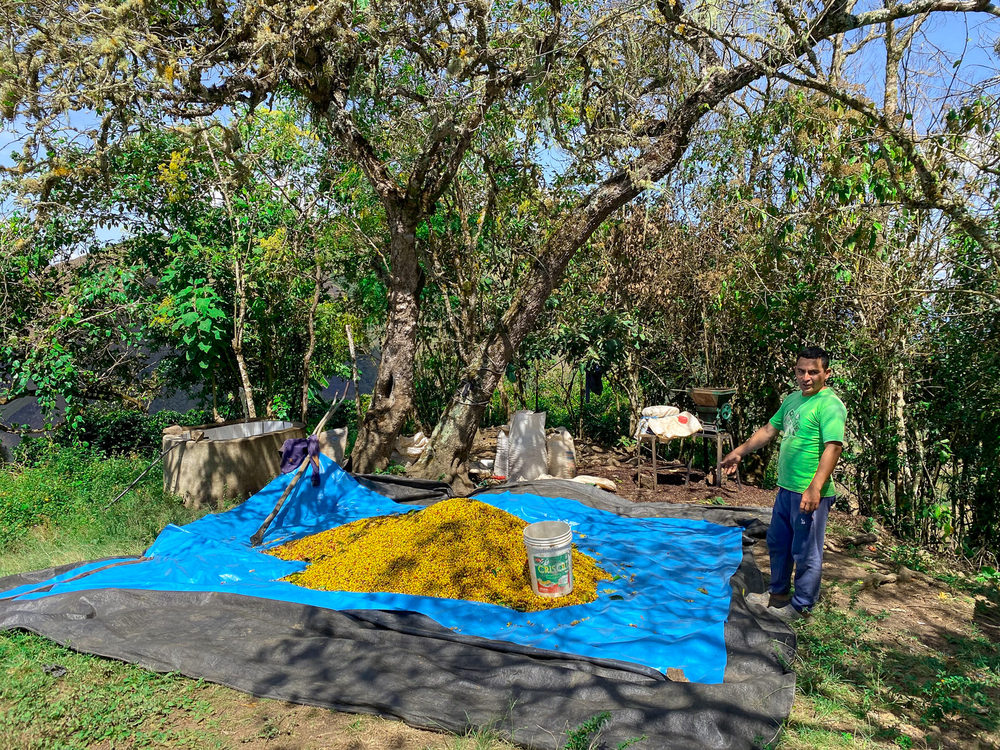
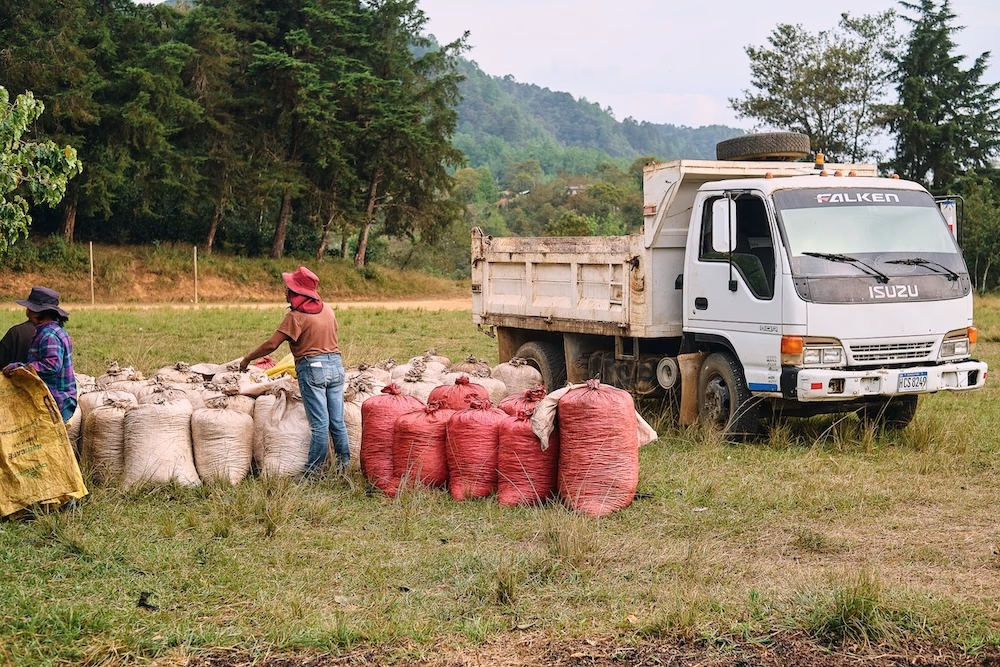
Unlike larger estates, harvests don’t happen all at once. Producers pick at different times, often later in the season, and many have limited capacity for processing and storage. That makes it harder to bring everything together, especially in the window between farm and export. Because of that, timelines can be a bit unpredictable and coordination takes more work.
What to expect this year
We aim to work with the same farmers year after year so they have a stable outlet for their coffees. That means you’ll see some familiar names on the offer list, alongside a few new producers joining through Rony from areas we haven’t worked with before (such as Lempira). Most of these coffees are washed, with one anaerobic natural and one natural processed lot.
In comparison to coffee from the Caballeros, these coffees usually land in our EU warehouse a little later in the season (usually around June or July).