


What is Acidity in Coffee?
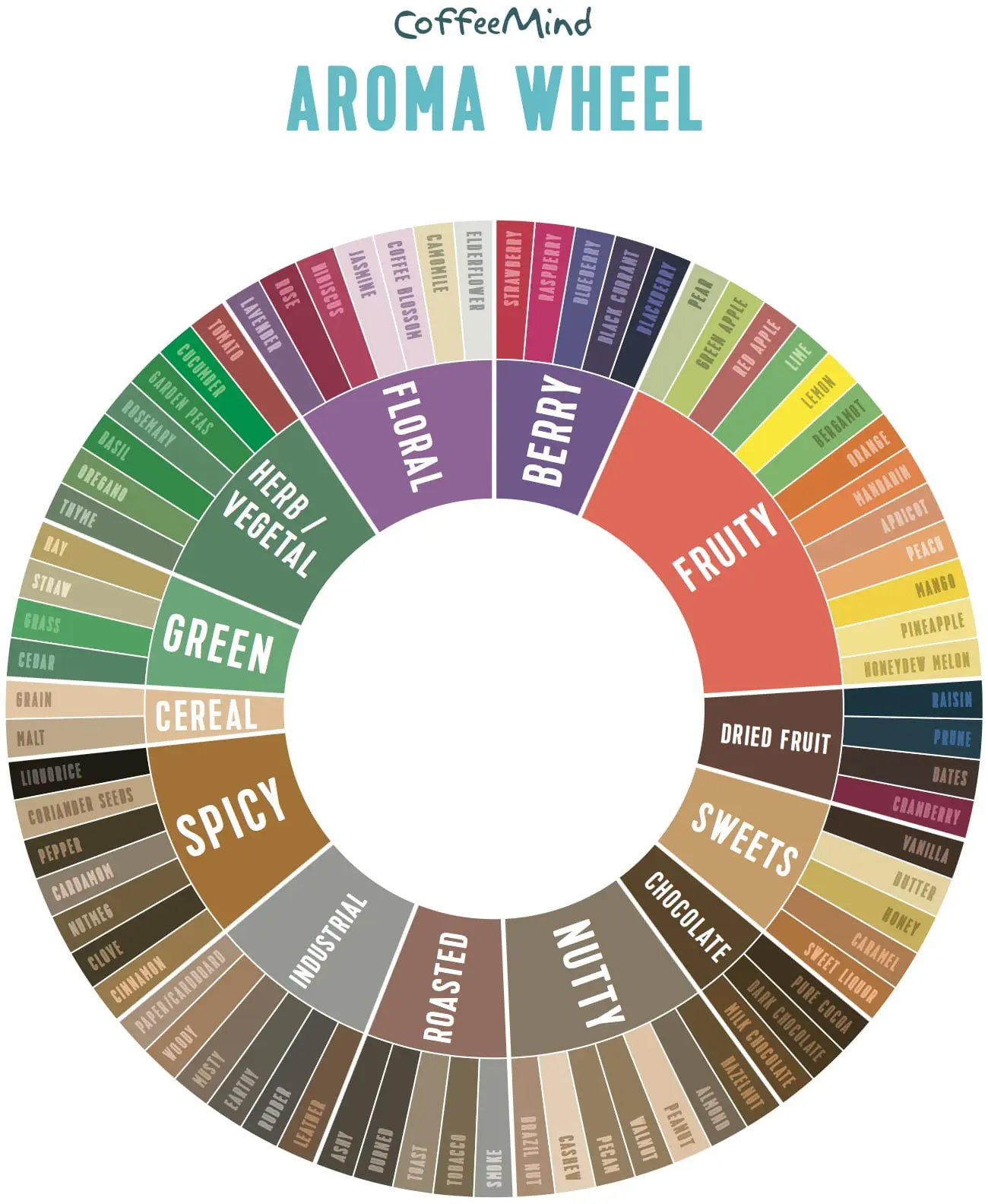
Acidity refers to the perceived brightness, sharpness or vibrancy in coffee. It contributes to cup structure and flavour complexity, helping a coffee feel lively, fresh and clearly defined. Depending on its character, acidity may bring to mind citrus fruits, apples, berries or wine. In specialty coffee, acidity is evaluated by more than its intensity. What matters is how it complements sweetness, flavour and body. Pronounced acidity can be appealing, but a coffee with softer acidity can be equally well balanced and expressive.
Why Acidity Matters
More acidity does not necessarily mean better coffee. Intensity describes how pronounced the acidity is; quality concerns how positively it contributes to the overall cup. A softly acidic coffee and a brightly acidic coffee can both receive high quality assessments, despite having very different sensory profiles.
Origin and processing influence
Growing conditions, variety, cherry maturity and processing all contribute to a coffee’s acidity profile. Altitude can be a useful part of that context, but it should not be treated as a guarantee of a particular flavour or quality.
Washed coffees often present acidity with greater clarity, while natural and honey processes may bring a more fruit-forward expression. These are tendencies rather than fixed rules: the individual lot and how it has been processed remain important.
Roasting considerations
Roasting changes how acidity is expressed. Lighter roasts generally retain a brighter profile, while further roast development changes the relationship between acidity and other flavour attributes.
For roasters, the goal is not simply to preserve as much acidity as possible, but to find an expression that suits the coffee and its intended use. Acidity should be considered alongside flavour, body and balance.
Brewing considerations
The acidity experienced in the cup also depends on brewing. Research on drip-brewed coffee shows that brew strength and extraction affect perceived sourness. This means acidity should not be assessed as a property of the green coffee or roast alone: brewing conditions also influence the result.
Perceived acidity versus measured acidity
A pH reading alone cannot tell us how acidic a coffee will taste. Research on drip-brewed coffee found that perceived sourness correlated more strongly with titratable acidity than with pH. Chemical measurements can help explain the cup, but they do not replace sensory evaluation.
Where Nordic Approach Fits In
Our role is to understand how acidity contributes to each coffee’s overall profile and communicate that character clearly to roasters. During sourcing and quality assessment, we consider acidity alongside sweetness, flavour, body and balance. Rather than looking for the highest possible acidity, we look for coffees whose attributes work together, whether the profile is bright and vibrant or softer and rounder.
FAQ about Coffee Acidity
Q1: Is acidity the same as sourness?
A1: No. Acidity in coffee is a positive sensory attribute that adds brightness and clarity. Sourness usually indicates under-ripe cherries, fermentation faults, or processing issues.
Q2: Which processing methods highlight acidity?
A2: Washed coffees generally emphasize clean, bright acidity. Natural and honey processes can integrate acidity with fruit sweetness, producing a rounder, fruit-forward expression.
Q3: How does origin influence acidity?
A3: High-altitude origins like Ethiopia, Colombia, and parts of Central America typically produce coffees with more pronounced, layered acidity due to slower cherry maturation. Low-altitude regions tend to yield softer, less sharp acidity profiles.
Q4: Does higher acidity mean better coffee?
A4: No. Acidity intensity and quality are different. A coffee with gentle acidity can be just as highly valued as one with pronounced brightness. What matters is how well the acidity fits the coffee’s overall profile.
Q5: Can pH predict how acidic coffee tastes?
A5: Not reliably on its own. In drip-brewed coffee research, titratable acidity showed a stronger relationship with perceived sourness than pH did. Tasting remains essential to understanding how acidity is experienced in the cup