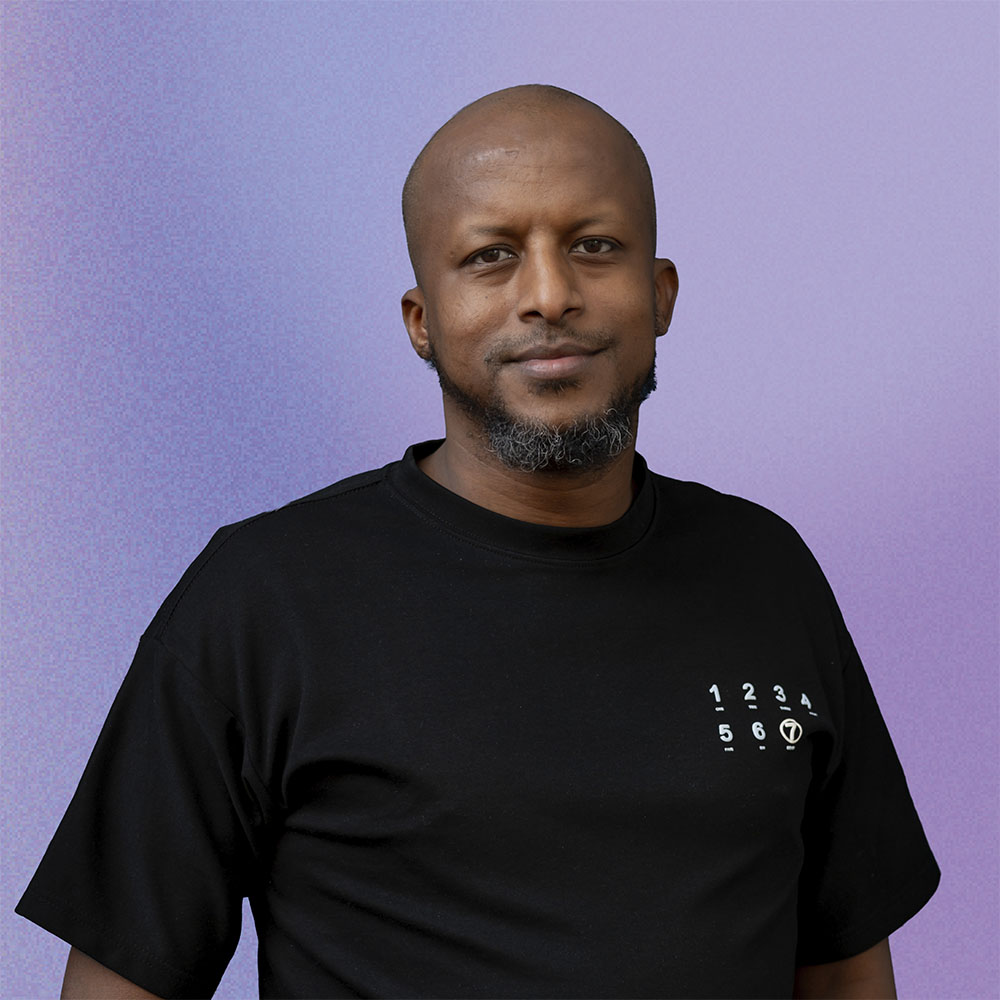
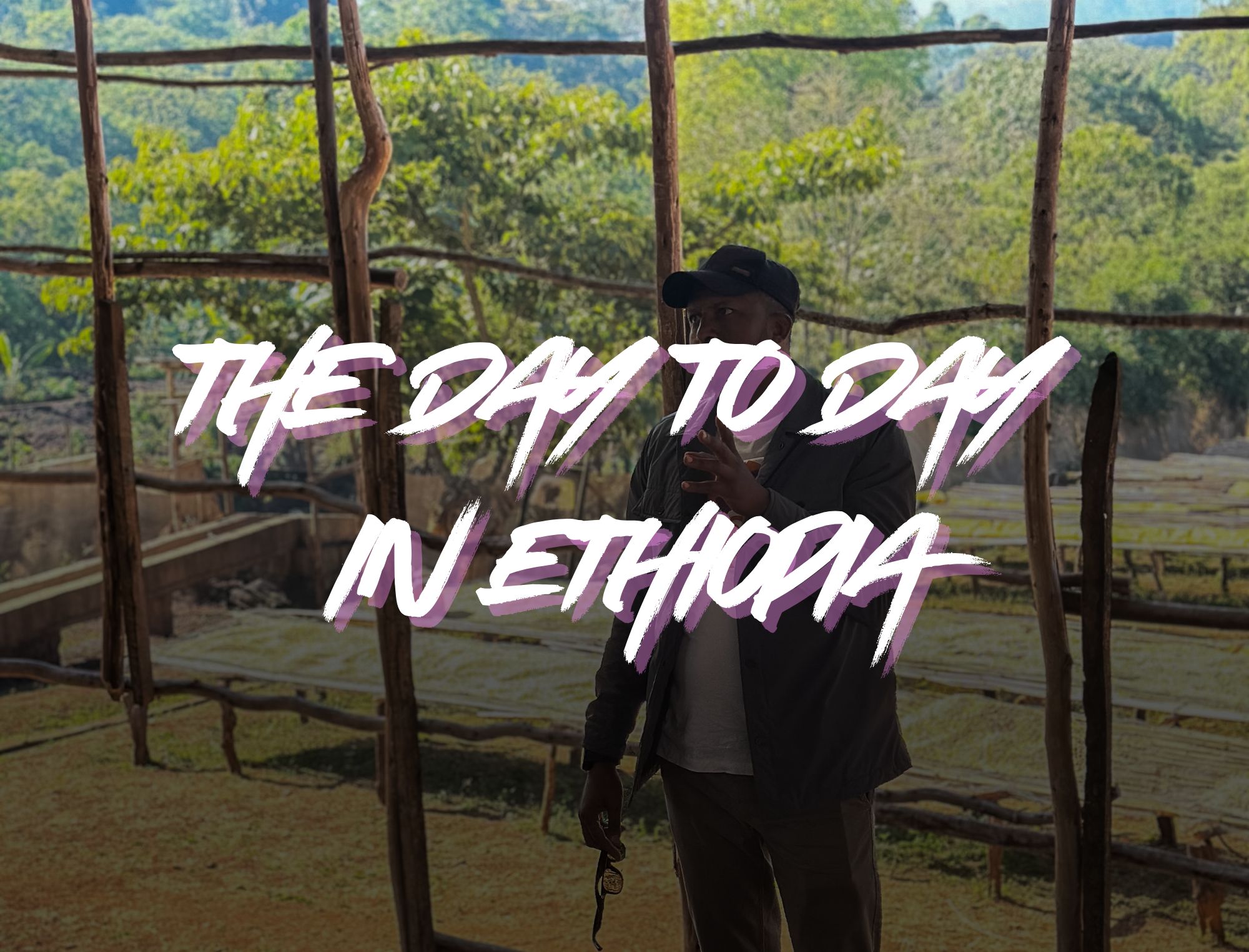
Born in Ethiopia and raised in Texas, Adham returned to Ethiopia in 2014 and quickly saw a gap between coffee buyers and exporters, one he’s been working to bridge ever since. As Country Manager at Nordic Approach, he leads sourcing, builds supplier relationships, and develops well-measured projects with new partners. In January 2026, Adham led field trips across Ethiopia and documented what a typical day in his life as a green buyer looks like.
Starting the Day in Dilla in Southern Ethiopia
Most days in Ethiopia start early for me. I usually wake up around 5 in the morning. When I’m on field trips, Dilla City is our base. We normally stay at Saron Lodge or Elroy Pension. Dilla is well located and makes it easy to reach all the regions we want to visit.
The first thing I do when I wake up is pray my salat. After that, I head to breakfast around 6 AM. My morning drink is something I call “Espris,” a mix of coffee and tea. It gives me just the right energy I need for the long days ahead. After breakfast, I start calling washing station managers to confirm they’re ready for our visits. A small thing, but it saves a lot of trouble later in the day.
Reaching Coffee Regions We Source From
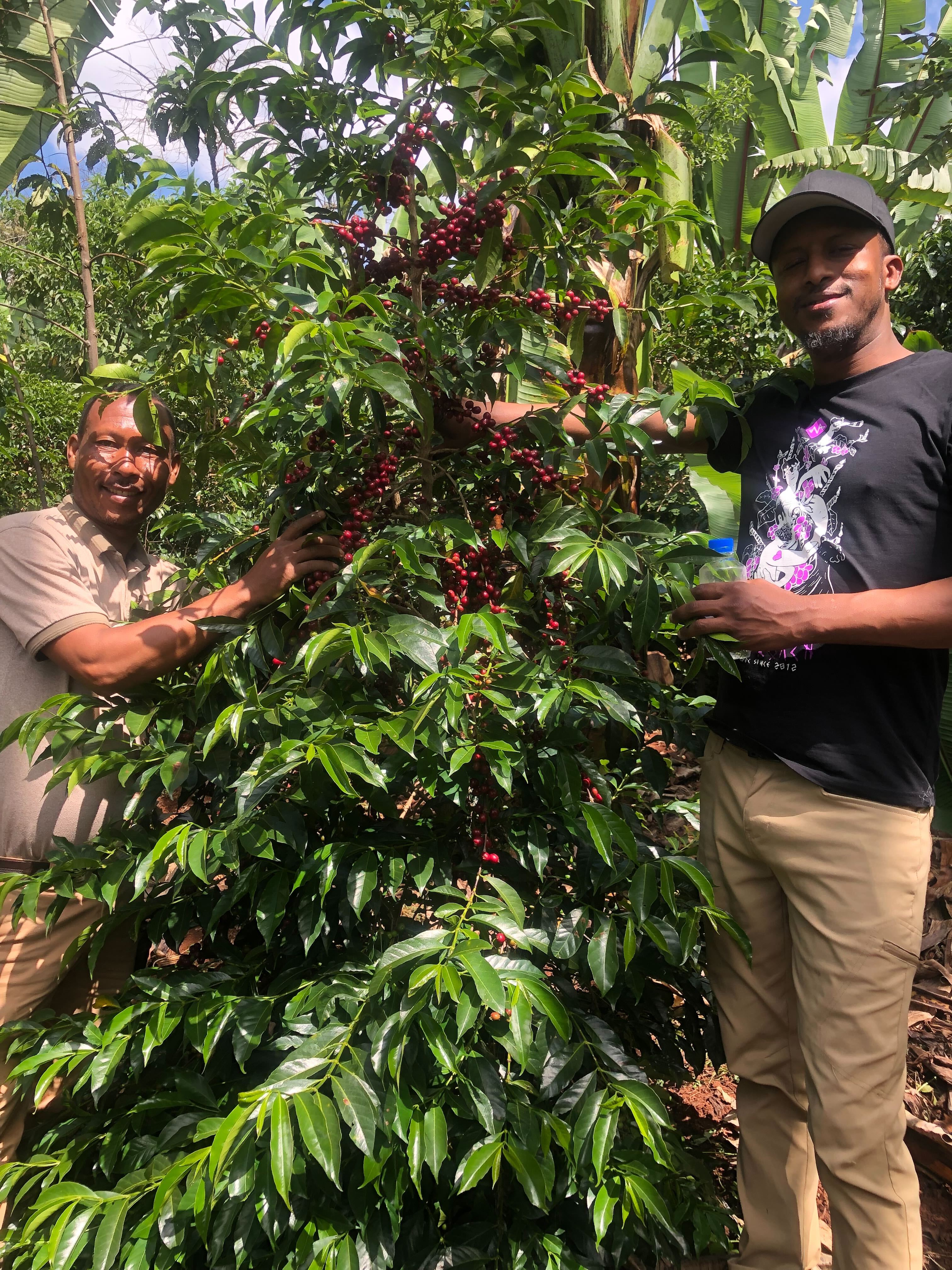
During this field trip in January, we visited Gedeb, Yirgacheffe, Hambela, and the Sidama areas like Bensa, Bura, and Arbegona. We traveled in a rented Toyota Land Cruiser, usually with visiting roasters and buyers, plus our driver. The distances add up quickly, so to give some perspective, here’s a short list of the travels from this trip:
- Addis Ababa to Dilla: 375 km, around 6.5 hours
- Dilla to Yirgacheffe: 38 km, about 50 minutes
- Yirgacheffe to Gedeb: 38 km, another 50 minutes
- Gedeb to Hambela: 35 km, about 1.5 hours, because the road is rough
- Dilla to Sidama (Bensa, Bura, Arbegona): around 100 km, about 2.5 hours
The roads are not easy. Some are fine, others are really challenging and exhausting. On this trip alone, we had four flat tires. There was also a serious diesel shortage, so I spent a lot of time on the phone trying to find washing station owners willing to sell us 30 liters here and there just so we could keep moving.
We usually split the visits into one day in Gedeb and Yirgacheffe, the next in Hambela (Guji), and the third day in Sidama.
At the Washing Stations and Farms
We visited washing stations in Gedeb, Yirgacheffe, Hambela, Arbegona, and Bura.
Most of the time, I meet washing station owners and managers. On this trip, we also met an experienced farmer named Esayas Barisso in Buku Abel kebele. He has a 52-hectare farm and his own drying station, plus a new site which is a term used in Ethiopia for drying station or washing station in Ethiopia, in Buku Sayisa where he’s building a warehouse and guest rooms. It’s impressive to see farmers investing like this.
When I’m at a washing station, I always ask similar questions so I can compare and understand the situation across regions. I ask about red cherry prices and usually check with two or three people at each station to make sure the numbers make sense. I pay close attention to how many drying beds they have and tour their warehouses to estimate annual production. It’s not just about what they say, it’s about what you see. I take type samples directly from each washing station I visit. This helps us gauge quality at early stages of the harvest and lets us know the kind of quality we should expect in terms of the physical appearance of the coffee beans to avoid any kind of blending. This is an important step in sourcing single-origin specialty coffee.

Small Moments That Matter
One of the roasters on this trip brought children’s clothes, which we handed out in Gedeb. The farmers were really happy. The roasters also bought pens and paper every day to give to the farmers’ children along the way. These moments are small, but they stay with you.
Reporting Back and Making Decisions
During the trip, I keep HQ in Oslo updated through meetings, calls, and messages. They must know what’s happening on the ground, not just in reports.
One key decision from this trip was that we need to move quickly to book coffees. Washed coffee production is low this year, and many washing stations are not running at full capacity. In some places, washing stations that used to purchase 1.5 million kg of red cherries are now buying only around 600,000–700,000 kg. That changes the whole market dynamic. Time is of the essence, especially for specialty coffee buyers, contracting coffees and following up with the exporter daily ensures we get the best lot with the best timeline for shipment. On this trip, I traveled with my colleague Josh, which made coordination much easier.
Wrapping Up the Day
This harvest, I’m scheduled to travel six times with clients to follow production closely and see progress first-hand.
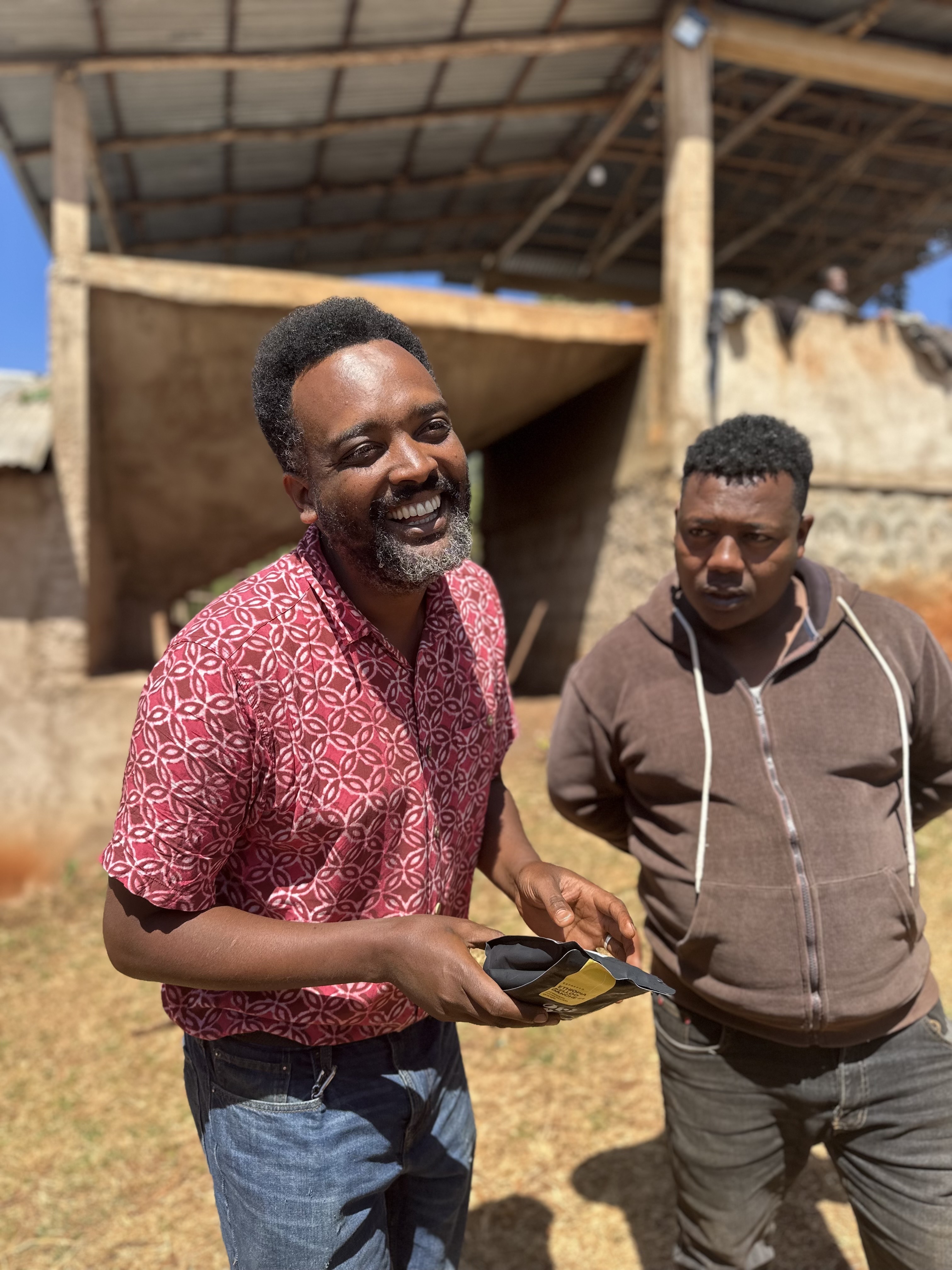
In the evenings, once we reach where we’ll stay for the night, we have dinner and talk with the roasters about any questions they have from the day. I also plan the next day and sometimes call washing stations again at night just to make sure they’re aware we’re coming. The reason there are a lot of phone calls between me and the washing stations is that it's hard to reach them sometimes because of the network.
I avoid being on the road at night whenever possible. When I finally get some quiet time, I take a shower, pray my salat, and call home to speak with my family.

The best part of being a green buyer is...
All the small memories I carry with me. What excites me most is seeing buyers and roasters who have never been to Ethiopia start to try to understand the complexity of the supply chain and how Ethiopian coffee moves from Ethiopian farm to export.
My favorite interactions are with farmers’ kids. They’re curious, open, and full of energy, and they’re part of coffee’s future. I like to encourage them and let them know if they can imagine it, they can do it.
Even though I was raised in Texas, Ethiopia is my root. I understand the culture and the people. I feel like a bridge between two worlds.
What inspires me most is seeing the next generation of farmers, suppliers and exporters. They’re more educated, more tech-savvy, and ambitious. I try to share what I know about the market, the importance of quality, and building a name for themselves. I often encourage them to name their washing station or farm, to create identity and stand out.
That’s how I believe coffee origins move forward. Step by step, with people who care.