


Why is Coffee dried?
Regardless of processing style, every coffee has to go through a drying phase. In washed coffees, this happens after the cherry is depulped and the mucilage is fully removed. With honey processes, the coffee is dried with some or all of the mucilage still attached to the parchment. Natural coffees go a step further, drying as whole cherries with both fruit and mucilage intact.
There are two common approaches to drying coffee. One relies on sun exposure, with coffee spread across patios or raised beds. The other uses mechanical dryers designed specifically to control airflow and temperature.
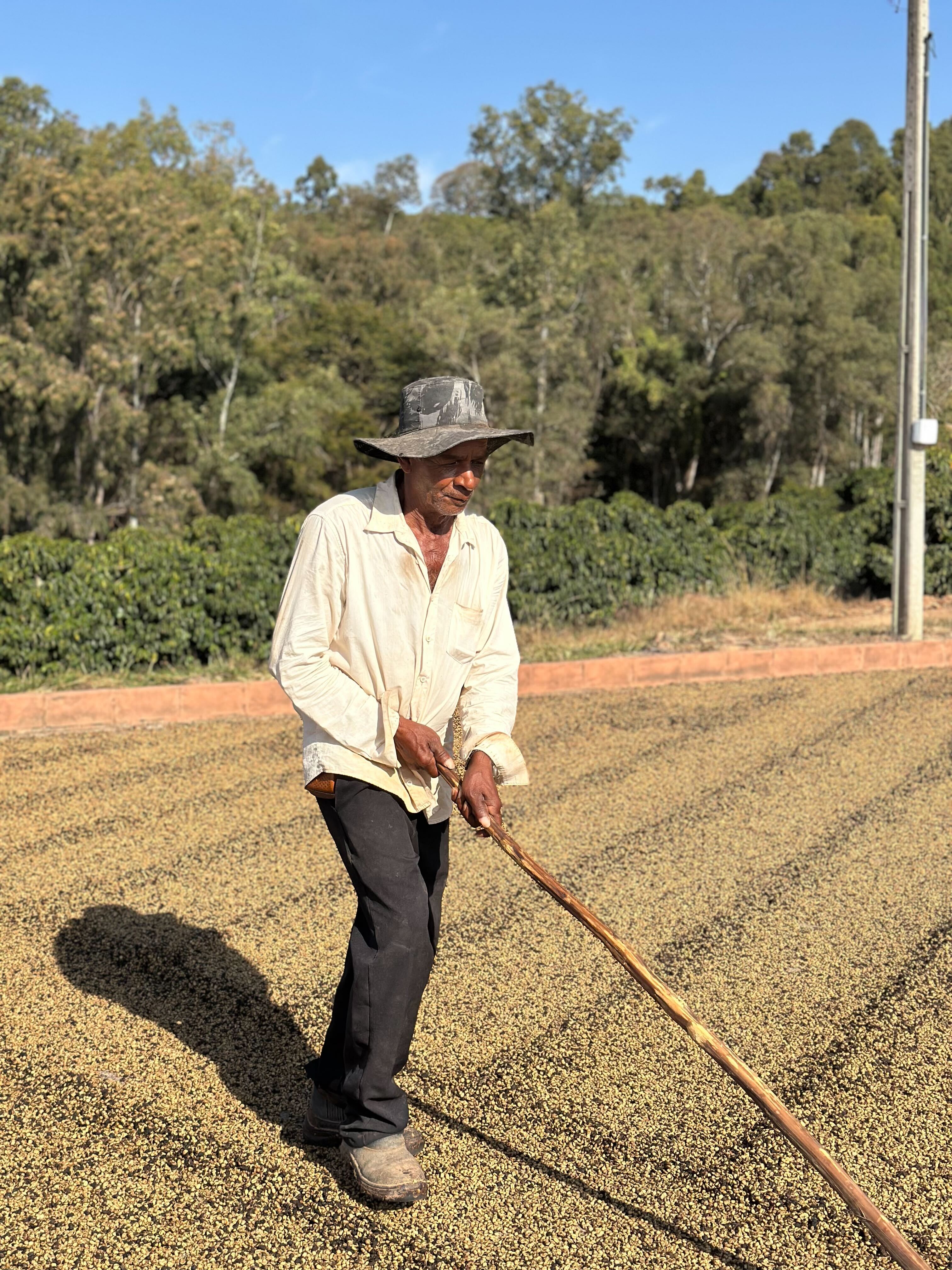
Why coffee drying is important
Drying is a critical step in maintaining both the physical and sensory quality of coffee. Key reasons include:
- Prevents mold and fermentation defects: Properly dried beans are less prone to spoilage during storage or transport.
- Ensures consistent moisture content: Beans are brought to an ideal level (typically 10–12%) for long-term stability and roasting consistency.
- Protects flavour integrity and shelf life: Gentle and controlled drying helps maintain the coffee’s unique aroma, acidity, and body, safeguarding the cup experience.
.jpg)
Coffee Dryers in Specialty vs. Commercial
In specialty coffee production, producers often combine sun-drying with mechanical dryers to carefully control moisture levels, fine-tune drying speed, and preserve delicate cup characteristics. Sun-drying on patios or raised beds allows for natural fermentation and flavour development, while mechanical dryers provide precision and consistency when weather conditions are challenging.
In commercial coffee operations, drying often relies more heavily on mechanical dryers to prioritize scale, speed, and operational efficiency, sometimes at the expense of nuanced cup quality.
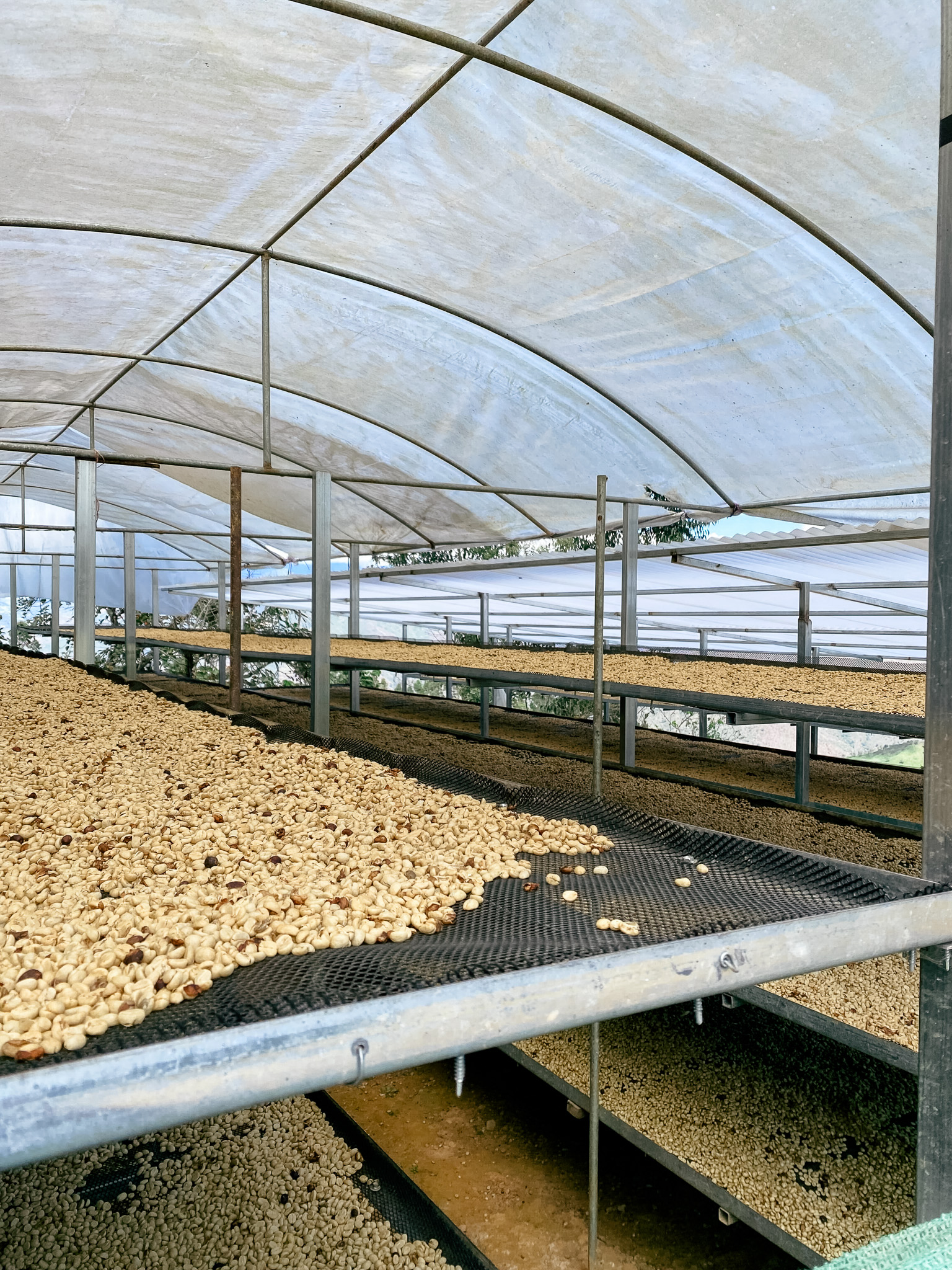
Where Nordic Approach fits in
Morten our CEO and Co-Founder explains "We work closely with producers to understand and evaluate their drying methods as part of our broader quality assessment. While we do not provide infrastructure advice, we assess how different approaches sun, raised bed, or mechanical drying—impact moisture consistency, cup quality, and traceability. This allows us to support producers in delivering green coffee that meets the highest standards for roasters while maintaining the integrity and characteristics of each lot."