


What is the Coffee Harvest?
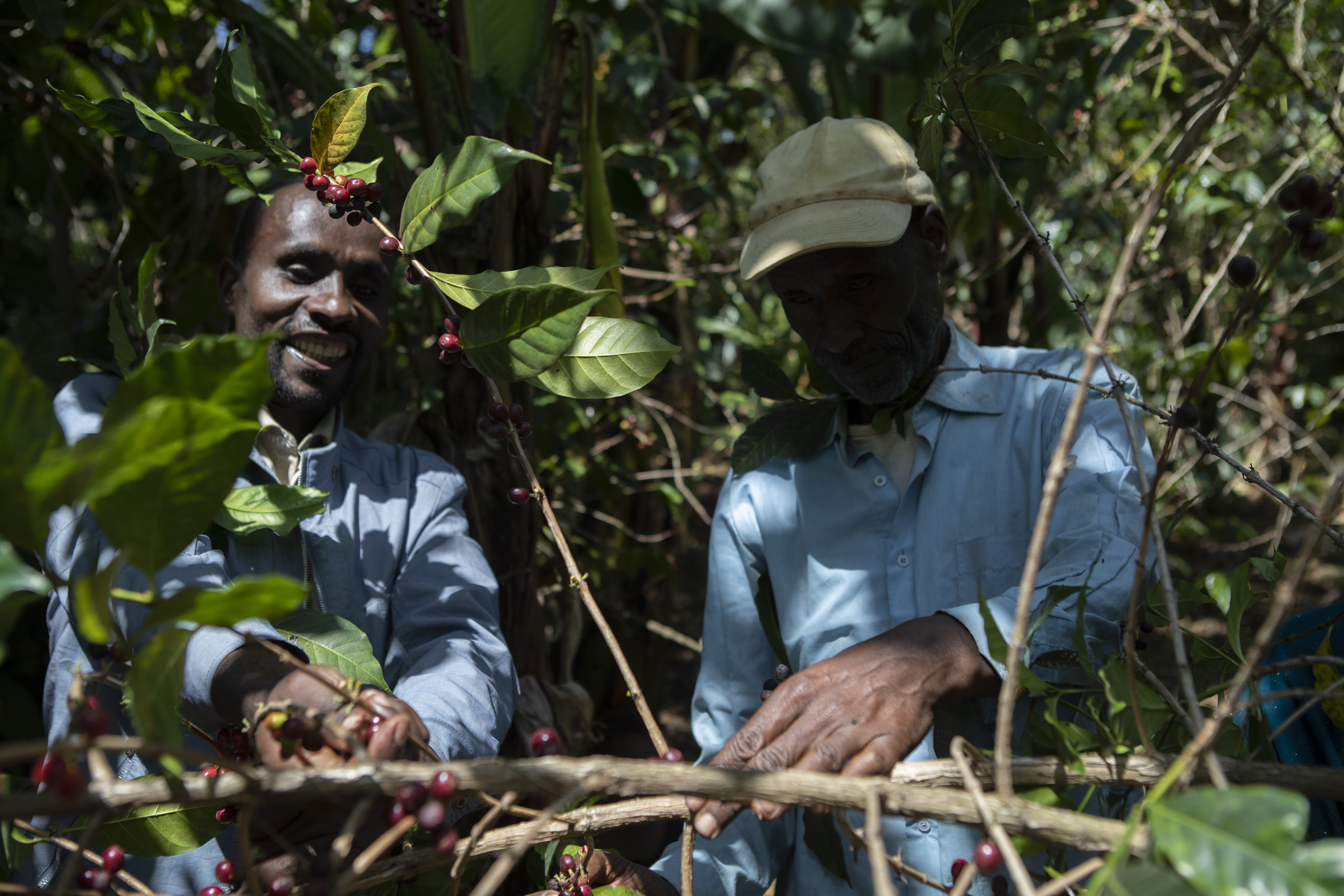
The coffee harvest refers to the period when cherries reach optimal ripeness and are collected from the trees. Depending on climate, altitude, and varietal, harvest timing can vary across regions and even within a single farm. In specialty coffee, harvest practices, such as selective picking versus strip harvesting, directly influence green coffee quality and cup consistency.
Why Harvest Timing and Method Matters
Flavour and quality
The harvest stage determines the balance of sugars, acids, and aromatic precursors in the cherry. Picking underripe cherries risks vegetal or sour notes, while overripe can lead to fermentation defects. Selective hand-picking allows producers to target only fully ripe cherries, maximizing clarity, sweetness, and complexity in the cup.
Operational and logistical considerations
Harvesting is labor-intensive and time-sensitive. Weather, labor availability, and infrastructure affect how quickly cherries can be processed after picking. Delays in post-harvest handling, drying, pulping, fermentation, can significantly impact bean quality. Understanding harvest logistics is essential when planning sourcing volumes, quality targets, and supply chain timing.
Varietal and regional implications
High-altitude origins often experience staggered harvests, allowing multiple selective picks over several weeks. Lower-altitude regions or high-volume farms may use strip harvesting with mechanical assistance, which can be efficient but requires rigorous post-harvest control to maintain cup quality.

Where Nordic Approach Fits In
We do not harvest coffee directly, we engage with farmers and washing stations during harvest season to understand ripeness, picking practices, and post-harvest handling. Our teams on the ground and origin visits allow us to assess timing, quality control, and processing logistics firsthand. This insight informs our sourcing decisions, ensuring that the lots we buy reflect optimal cherry ripeness, proper handling, and the flavour clarity roasters expect.
Read more about the pre- and post-harvest puzzle in our article Understanding Coffee Processing & Grading, Part 1.
FAQ About Coffee Harvest
Q1: What’s the difference between selective picking and strip harvesting?
A1: Selective picking targets only ripe cherries, usually by hand, maximizing quality and consistency. Strip harvesting collects all cherries at once, which can be more efficient but often requires careful sorting and processing to prevent defects.
Q2: How does harvest timing affect cup flavour?
A2: Timing determines sugar and acid development in the cherry. Picking too early can produce green, underdeveloped flavours; picking too late can introduce over-fermentation or muted acidity.
Q3: Which regions have the most labor-intensive harvests?
A3: High-altitude regions, including Ethiopia, Colombia, and parts of Central America, often require multiple selective picks over weeks, whereas some low-altitude or mechanically assisted farms can complete harvests in a single pass.
If you want to learn more about different harvesting teqchniques, check out Coffee Picking in Brazil: Balancing Quality, Cost, and Practicality.