


What are Green Coffee Beans?
Each coffee cherry usually contains two seeds, commonly referred to as coffee beans. Once extracted during processing, the beans are dried and later roasted. Bean size, density, and structure vary by origin and variety, and these differences influence both flavour development and commercial value. For example, Ethiopian coffees often have smaller, denser beans linked to high-altitude growing conditions, while coffees from countries like Colombia tend to produce larger beans with different roasting and flavour characteristics.
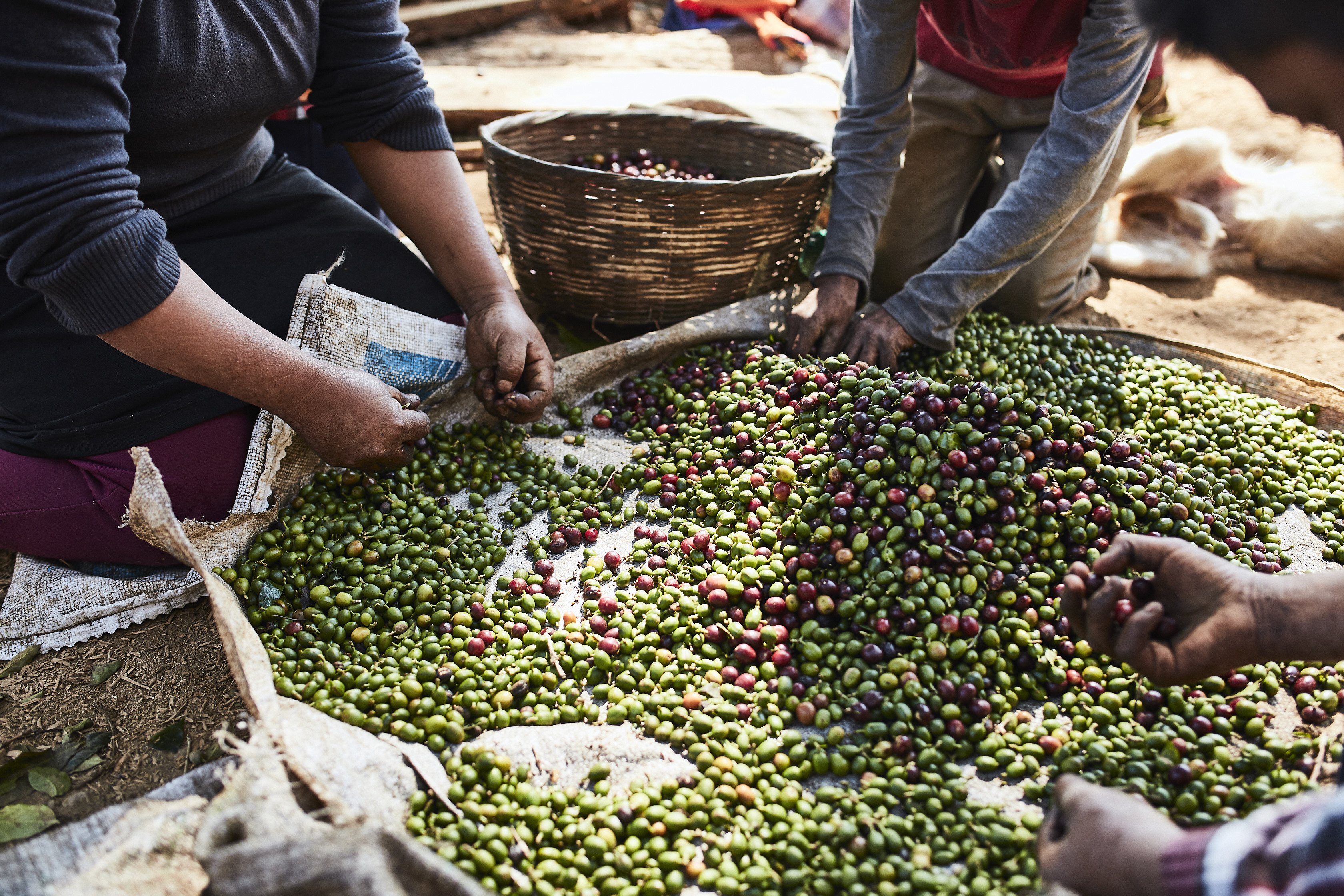
The difference between a green beans and a coffee cherry
The coffee cherry is the fruit grown on the coffee plant. Inside that cherry are usually two seeds, the coffee beans. Processing methods (washed, natural, etc.) remove the fruit and mucilage, leaving the beans to be dried and stored. Green Coffee refers to these seeds once they’re removed from the cherry and dried.

Coffee beans in Specialty vs Commercial Coffee
In commercial coffee, beans are typically blended and selected to meet volume, price, and consistency requirements. Physical specifications such as screen size and defect tolerance play an important role, supporting reliable supply at scale.
In specialty coffee, cup quality always outweighs size alone. While larger beans can allow for more complex development, and smaller beans (including peaberries, PB) can exhibit dense sweetness and distinct profiles, terroir, picking quality, and processing have the greatest influence on flavor. Peaberries are not inherently better, but they can offer unique cup characteristics and are often marketed as a premium selection.
Where Nordic Approach fits in
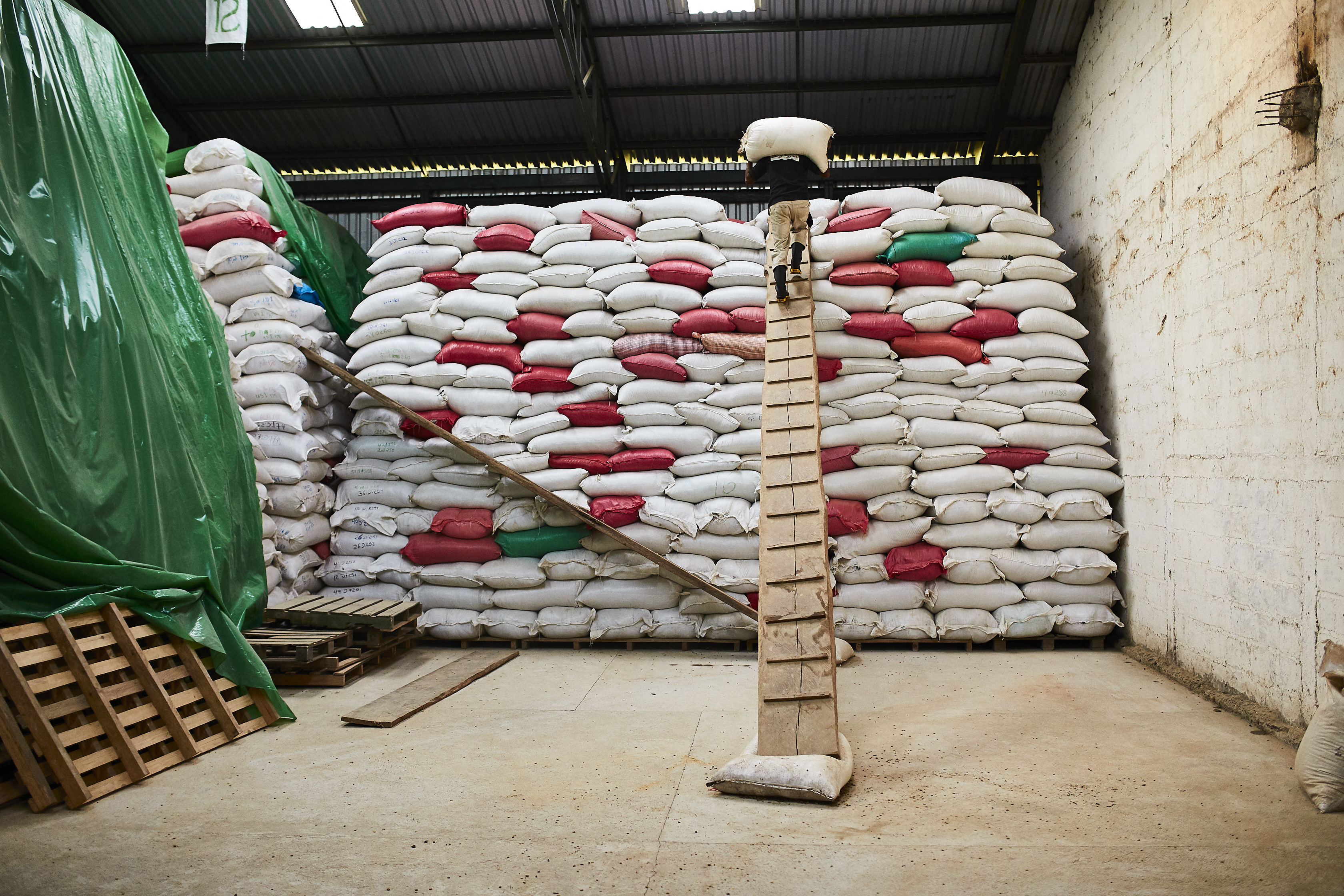
We cup every lot, assess quality before purchase, and source only from producers who are transparent about harvest and processing. Our focus is on beans with flavour, structure, and potential, and we work closely with exporters and mills to ensure quality is preserved all the way to shipment.
FAQ about Coffee Beans
Q1: Why is grading important?
A1: Because bean size and density affect quality, flavor clarity, and how evenly the coffee roasts.
Q2: Why are coffee beans handled differently in specialty vs. commodity markets?
A2: Specialty beans undergo selective harvest, careful processing, defect control, traceability, and cupping. So flavor and quality matter more than volume.
Q3: What does AA, AB, or PB mean in Kenyan coffee?