


What are Coffee Cherries?
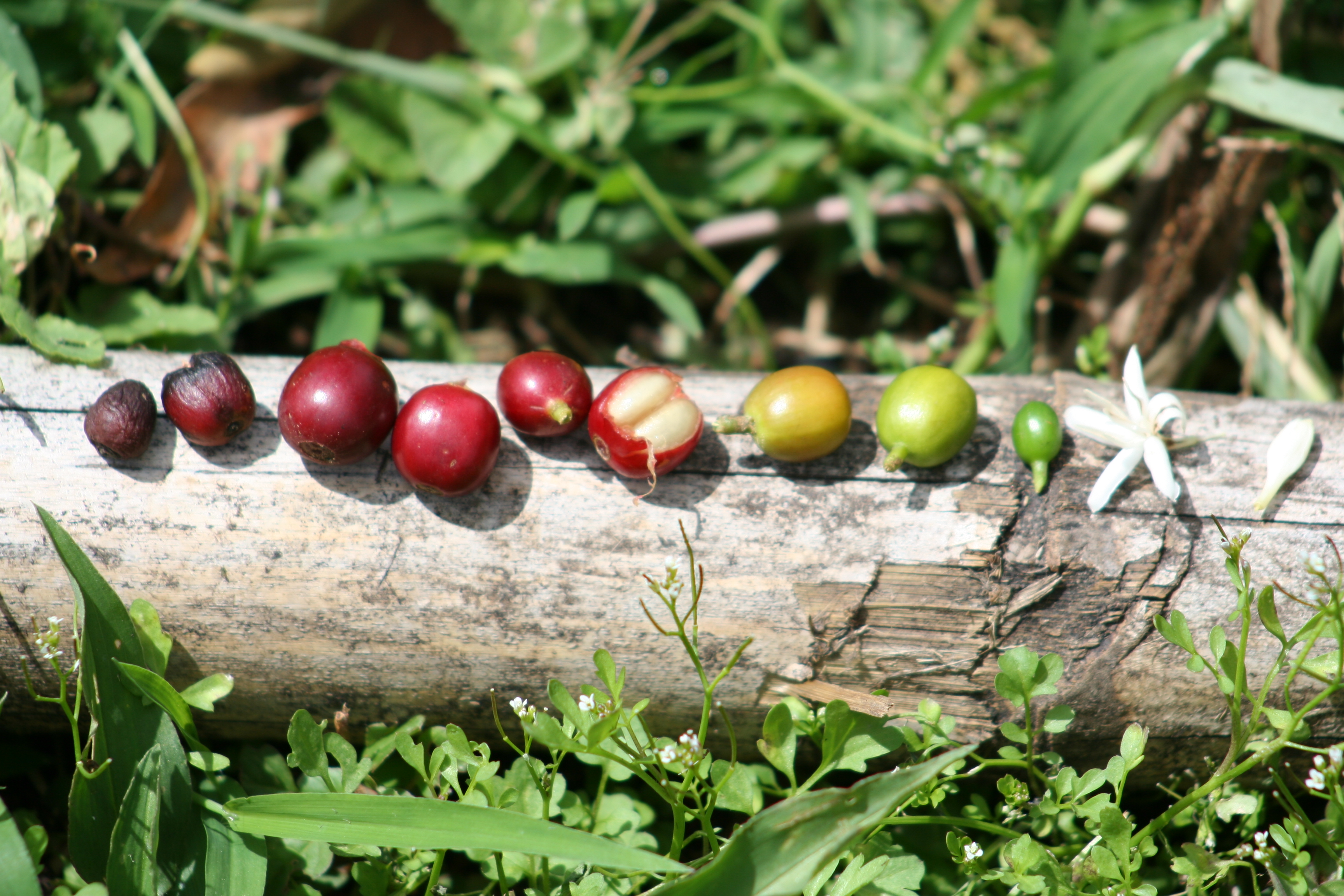
A coffee cherry is a stone fruit, biologically similar to a cherry or peach, and every layer of it plays a role in what ends up in the cup. Understanding that anatomy isn't academic, it's the starting point for you to understanding why processing decisions heavily impact a coffees flavour development:
Exocarp (Skin): The outer layer, which changes color as the cherry ripens (usually from green to red or yellow).
Mesocarp (mucilage): A sticky, sugar-rich pulp containing sucrose, glucose, fructose, and pectins.
Endocarp (Parchment): A protective shell surrounding the seeds.
Endosperm (Bean): The seed itself, containing carbohydrates, lipids, amino acids, and alkaloids (such as caffeine), the compounds that will be transformed during roasting.
Each layer contributes, directly or indirectly, to the coffee’s final sensory expression.

Why the Coffee Cherry’s Biochemistry Matters for Taste
The chemical composition of a ripe cherry provides the raw materials for flavour.
Fuel for roasting
Sugars and amino acids formed during cherry development become the building blocks for Maillard reactions and caramelization. Higher, well-developed sugar content generally supports greater sweetness and more complex browning aromas.
Processing and fermentation potential
The sugars and pectins in the mucilage feed yeasts and bacteria during fermentation. In natural and honey processes especially, this activity generates volatile compounds (such as esters and alcohols) that can migrate into the bean, contributing fruit-forward and fermented notes.
Origin of acidity
Coffee cherries naturally contain organic acids like citric, malic, and phosphoric acid. Ripeness level and processing choices influence which acids are retained or transformed, shaping perceived brightness and structure in the cup.

Why Coffee Cherries Matter in Practice
Quality control starts at harvest, not at the mill. Ripe cherries are the foundation for sweetness, clarity, and balance; underripe or overripe fruit raises the risk of bitterness, astringency, and defects that no amount of downstream processing can fully fix. Processing method then interacts with that base material differently, washed, natural, and honey processes each handle cherry sugars and pulp in distinct ways, producing distinct cup profiles from the same raw cherry.
There's also a sustainability dimension: selective harvesting supports quality and can increase farmer income, but it's labor-intensive, which is part of the cost structure behind specialty pricing.
Coffee cherry picking and processing in Specialty vs. Commercial Coffee
Specialty producers typically harvest at peak ripeness, often making multiple selective passes through the trees rather than one sweep. Post-harvest handling is treated with the same level of care, drying on raised beds, patios, or mechanical dryers, each chosen to preserve the cherry's chemical integrity and avoid off-flavors. In large-scale contexts like Brazil, mechanical harvesting can work, but only with robust sorting systems in place to separate ripe cherries from unripe or defective ones.
Commercial strip-picking, by contrast, collects ripe and unripe cherries together. That reduces consistency and caps the coffee's flavor potential before it ever reaches a mill. Some producers go further than standard washed or natural processing, experimenting with honey, anaerobic, or extended fermentations specifically to push a lot's unique character, but that level of attention starts with cherry selection, not processing tricks layered on top of mediocre fruit.
Read more about different coffee picking techniques here: Coffee Picking in Brazil: Balancing Quality, Cost, and Practicality
Where Nordic Approach fits in
At Nordic Approach, we emphasize the importance of careful cherry selection. Our sourcing partners train and incentivize producers to harvest only ripe cherries, ensuring the green coffee we import delivers on cup quality and consistency.
FAQ about Coffee Cherries
Q1: Are coffee cherries edible?
A1: Yes, the fruit is sweet and juicy, though it’s usually processed for coffee rather than eaten.
Q2: How does the climate/weather of the harvest season impact cherry flavour?
A2: Climate and weather during harvest affect cherry development and ripening. Consistent, moderate conditions produce balanced sweetness and acidity, while irregular rainfall or temperature fluctuations can stress trees, creating more pronounced or uneven flavours.
Q3: Can coffee cherries be used for other products?
A3: Yes, the dried husks (cascara) are brewed as a tea-like beverage.