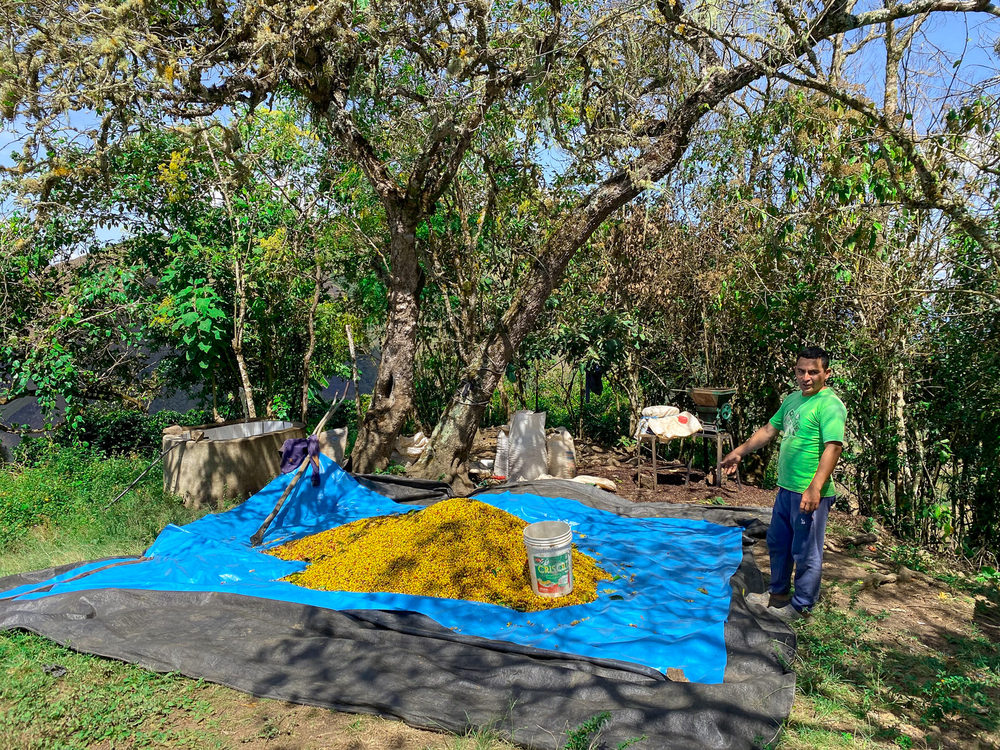
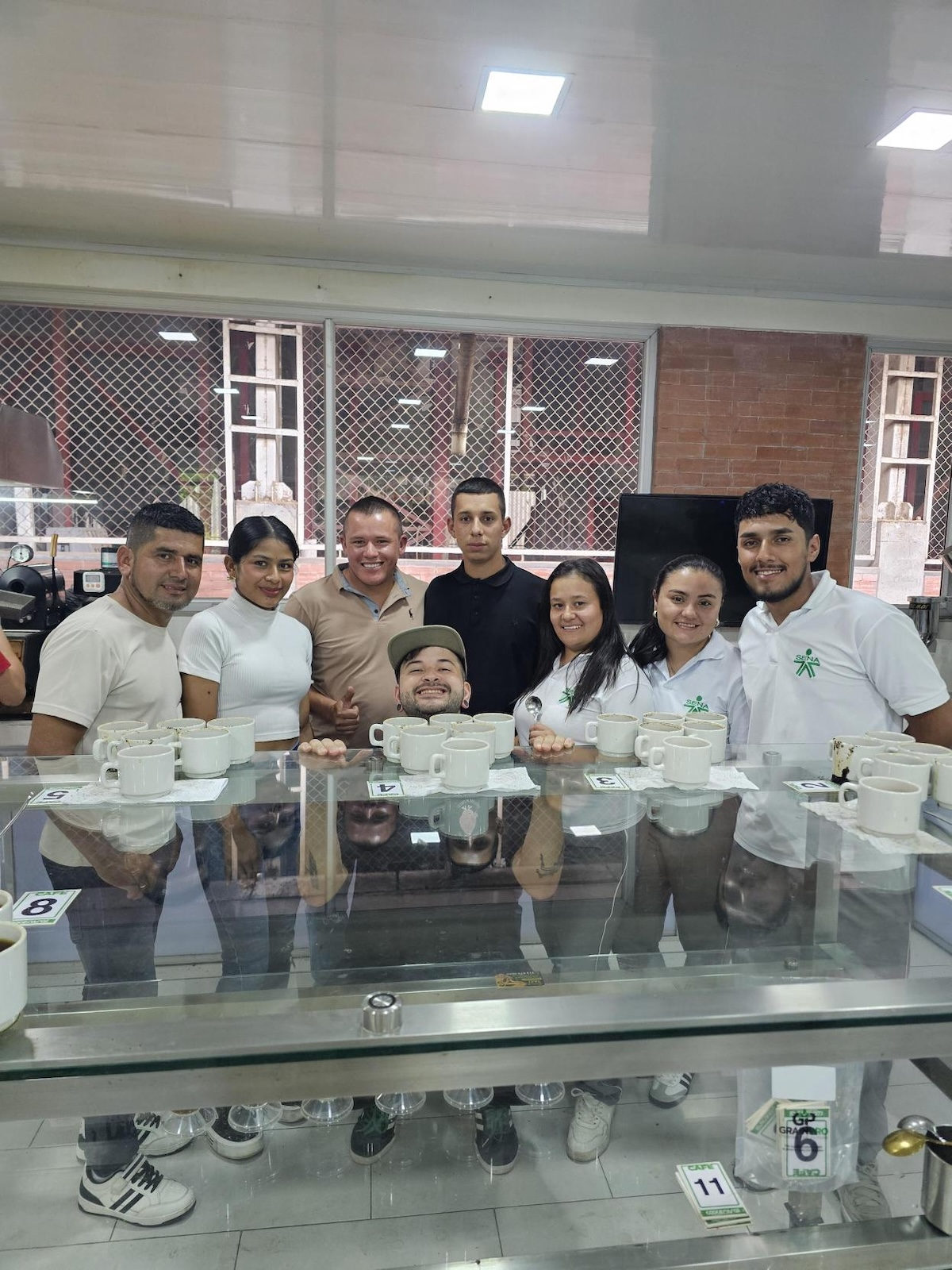
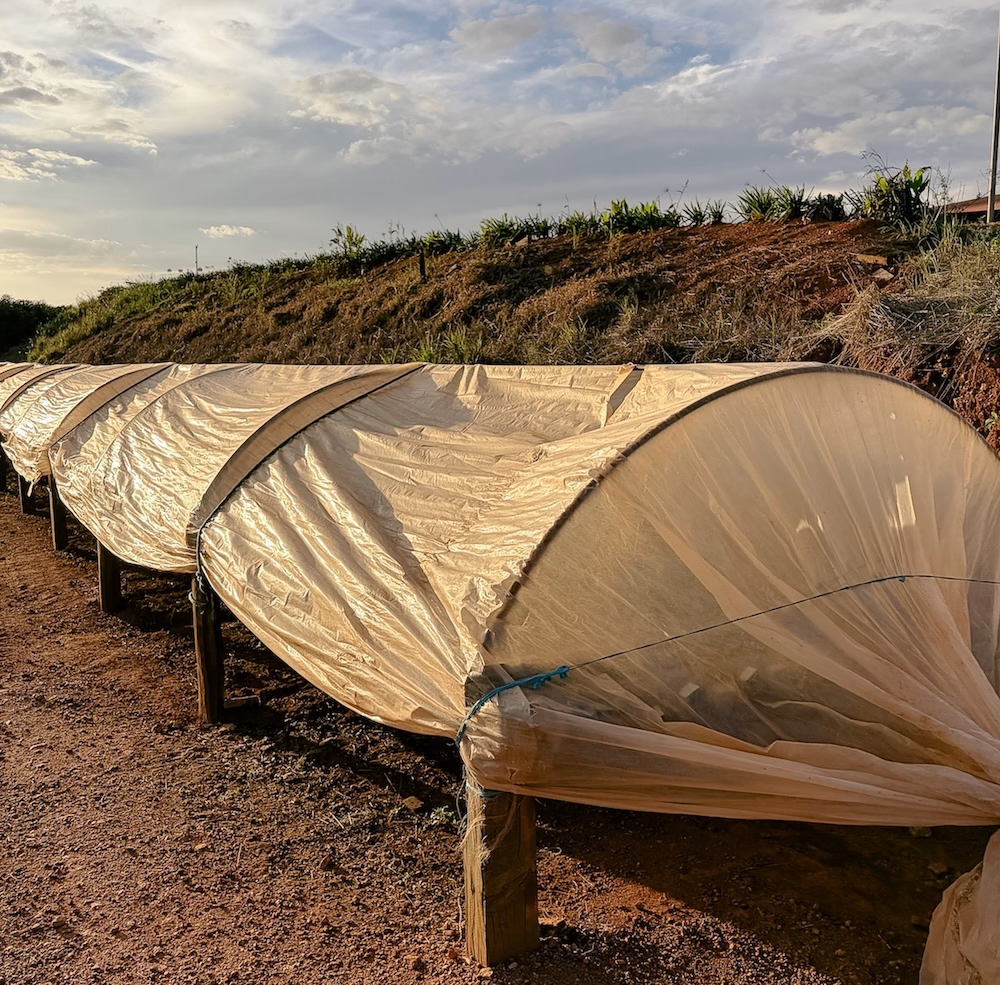
Introducing our single-farmer project in Ethiopia, which we imported for the first time for the 2024 harvest.
The Challenge: Exporting Coffee as an Ethiopian Farmer
A Policy Change That Opened the Door
In 2019, the Ethiopian government introduced a policy allowing coffee farmers with more than two hectares of land to obtain their own coffee export licenses. The intention was to give producers more direct access to international buyers and greater control over how their coffee is sold.
The Reality of Exporting Coffee Independently
While many farmers obtained these licenses, exporting coffee independently has proven difficult. Finding reliable buyers, managing export logistics, and handling the required documentation demands infrastructure, experience, and market access that most individual producers simply do not have.
The Information Gap in the Coffee Supply Chain
Another significant challenge is the lack of transparency in the coffee supply chain. In many cases, farmers have little visibility into what happens to their coffee after delivering their cherries.
Important information, such as how the coffee is evaluated, the prices it sells for, and the markets it reaches, is rarely shared with producers. Without this feedback loop, farmers remain disconnected from the market and the value their coffee creates.
Because of these barriers, many farmers who initially received export licenses have stopped trying to export directly. Instead, they sell their coffee to established exporters, missing the opportunity to participate more actively and more profitably in the global coffee trade.

The Project: Supporting Direct Coffee Export from Yirgacheffe
Creating a Market for Farmer-Exported Coffee
Through this initiative, we purchase coffee directly from licensed farmers in Yirgacheffe while allowing them to remain the official exporters of their coffee.
Our goal is to help create a functioning market for farmer-exported coffees. By connecting these producers with international buyers, we aim to reward high-quality production with better premiums while maintaining full transparency throughout the supply chain.
Transparency in Coffee Pricing and Trade
A core component of the project is open information sharing. Farmers gain access to details that have historically been unavailable to them, including:
- The purchase price of their coffee
- The final selling price
- The destination markets where their coffee is sold
Because the farmers act as the exporters, we also have full visibility into the financial flow of the transaction. This allows us to deposit all payments directly into each producer’s account, ensuring that the value generated by their coffee reaches them without unnecessary intermediaries.
Looking Ahead: Building Long-Term Relationships with Farmers
Supporting Quality Investments
This project is still in its early stages, and this is the first year we have sourced these coffees.
Our long-term goal is to return to the same farmers year after year. By building consistent buying relationships, we hope to make their investments in quality production more profitable and sustainable over time.
Sharing Knowledge and Market Access
Beyond purchasing coffee, the initiative focuses on bridging the information gap that many producers face. This includes sharing knowledge about quality protocols, market expectations, and how their coffees are positioned and marketed internationally.
By improving access to information and strengthening direct market connections, farmers gain a clearer understanding of how their coffee performs in the global market.
A Model That Can Grow
Over time, the objective is to scale this model so it can be replicated in other regions. By supporting farmer-exporters and improving transparency, we hope to contribute to a more inclusive and sustainable coffee supply chain, one where producers have greater access to the market and more control over the value of their coffee.
Meet The Coffee Producers

Tigest Wako Bire
Tigest grows coffee on her 7.4-hectare farm in Yirgacheffe at 1962 masl. Inspired by the growth of specialty coffee in Ethiopia, she began her own farm and now produces 119 quintals annually. She’s been a top 150 candidate in the Cup of Excellence twice.
Ayele Begshaw Yemiru
Ayele is a coffee grower and a leader in his community in Aricha, Yirgacheffe. He owns a 4.25-hectare farm perched at 1930 masl. Since 2011, he has expanded his farm, producing 69 quintals annually.
“As a coffee producer, I face so many challenges trying to enter the market, so I am really glad to have the opportunity to export for myself now”, he mentions.
Getaneh Endale Mengesha
Getaneh, a second-generation farmer in Yirgacheffe, cultivates coffee on his 3.9-hectare farm at 2019 masl. Since 2011, he has focused on increasing productivity and quality. He produced 51 quintals last year and dreams of adding a lodge for tourists and buyers to his farm.
Adanech Gemede Bune
Adanech is a farmer in Yirgacheffe. Her farm, situated at 2022 masl, covers 6.46 hectares. Last year, her dedication resulted in an impressive annual production of 103 quintals. Adanech aims to increase her farm’s productivity and feels immense pride knowing her coffee contributes significantly to the local economy.
Teku Shequ Kurse
In the kebele of Oru Batala, Teku Shequ has cultivated coffee for more than 30 years on the family farm, where they have traditionally worked with premium varieties. His farm area spans 5.03 hectares, and it sits at 2130 masl. When asked about his future goals, Teku mentions he would like to expand his farms and increase productivity.