


What is Smallholder Coffee?
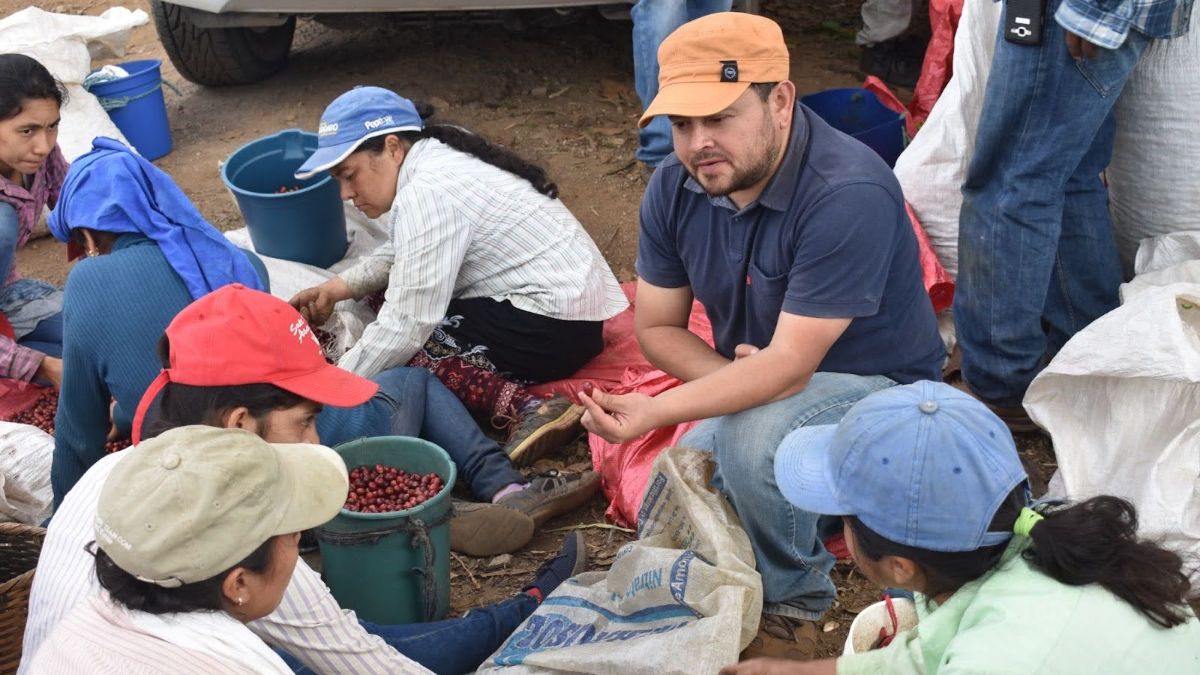
Smallholder coffee refers to coffee produced on individually managed farms, often family-run, rather than large estates or plantations. These farms dominate production in many specialty coffee origins, particularly in East Africa, Central America, and parts of South America and Asia.
Smallholder farmers typically cultivate multiple plots, sometimes intercropped with other crops, and manage all stages of production, from planting and fertilization to harvesting and initial post-harvest processing.
Why Smallholder Coffee Matters
Traceability and quality potential
Smallholder farms often produce smaller lots with high variability, but careful management can yield exceptional quality. Transparency in practices, from cherry selection to processing, allows roasters to identify distinct flavour profiles and terroir expression.
Cooperatives and aggregation
To scale volumes and access export markets, smallholders frequently sell through cooperatives or producer associations. These organizations provide shared infrastructure for pulping, fermentation, drying, grading, and sometimes milling, while helping maintain lot identity and traceability.
Economic and social impact
Supporting smallholders contributes to community development, strengthens farm sustainability, and incentives quality-focused production practices. Specialty buyers often prioritize direct relationships with smallholders or cooperatives to secure high-quality, ethically sourced green beans.
Where Nordic Approach Fits In
We engage closely with smallholder communities through origin trips, cooperative evaluations, and harvest monitoring. Understanding farm practices, processing methods, and lot aggregation allows us to import green coffees that balance traceability, quality, and sustainable impact for roasters worldwide.
FAQ About Smallholder Coffee
Q1: How large is a typical smallholder farm?
A1: Most smallholders manage less than 5 hectares, though this can vary by region.
Q2: Do smallholders always produce specialty coffee?
A2: Not automatically. Specialty-quality output depends on meticulous cherry selection, processing, and infrastructure support, often via cooperatives.
Q3: How do cooperatives affect smallholder coffee?
A3: Cooperatives consolidate small lots for export, provide technical and processing support, and help maintain lot traceability, while enabling producers to access premium markets.