


Peru is a fascinating specialty origin, its geography spans high-altitude mountain farms, cooperative structure, and a steady shift towards quality-driven production. When you think of coffee from Peru, you’re not just getting volume. You’re tapping into an origin where smallholders, community lots, and microlots coexist, and where traceability and craftsmanship are growing stronger every year.
Is Peruvian Coffee Good?
Absolutely. While Peru has historically been associated with commercial or certified coffees sold in bulk, the specialty market we are in is evolving rapidly. Through targeted programs, works with committed cooperatives and young farmers who prioritize cup quality, traceability, and fair premiums.
History & Sourcing
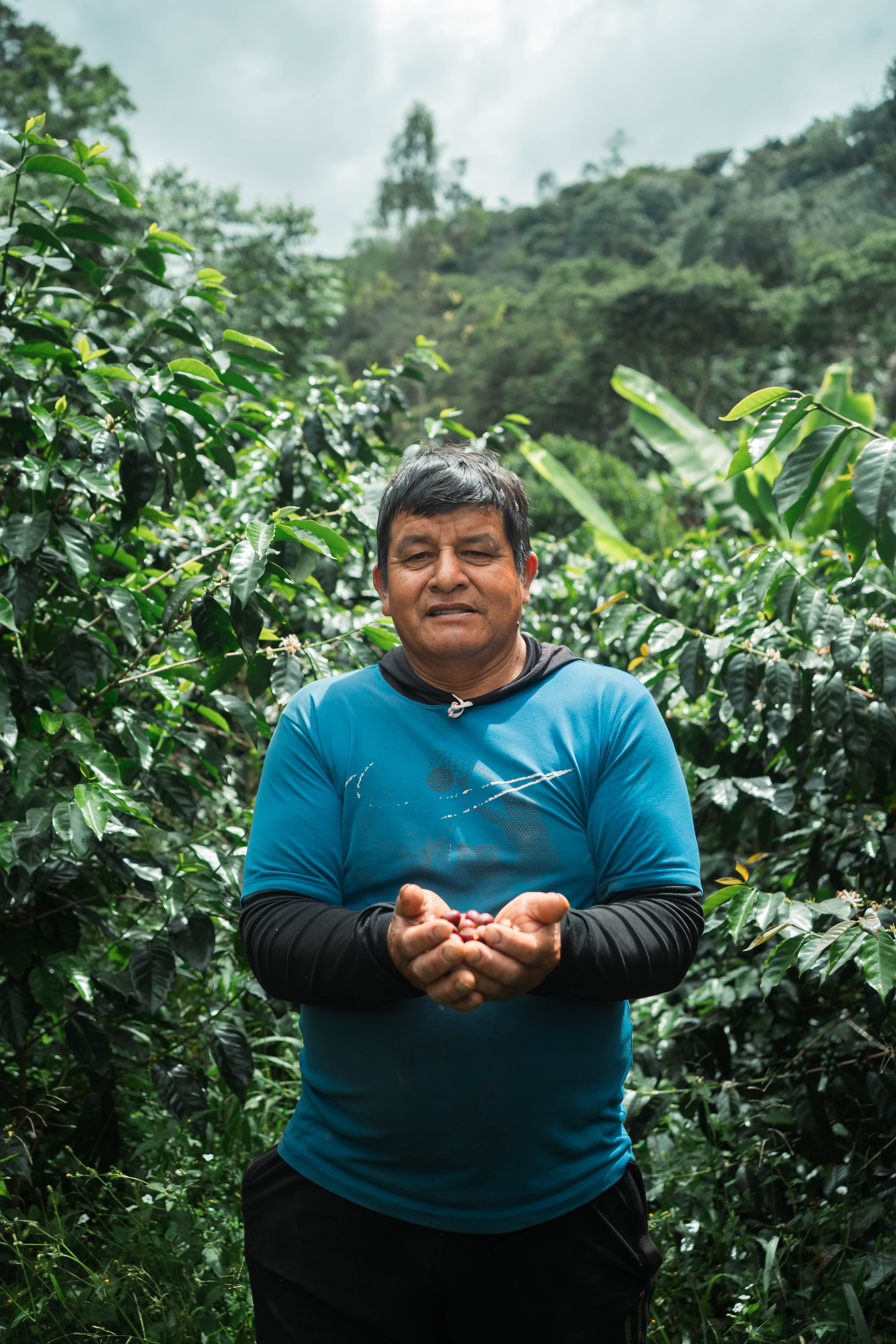
We’ve sourced coffee from Peru since 2018. Our selection focuses on cooperatives and exporters who run structured quality-improvement programs. These partners invest in training, farms, and processing protocols so smallholders can produce higher-quality lots without sacrificing volume.
Coffee Production & Farms
Many of the coffee farms in our Peruvian program are smallholder plots, often between 2–5 hectares. These farms are typically managed by experienced farmers who work with cooperatives to deliver parchment to micromills directly on-site. By supporting community lots and microlots, we encourage investment in quality and traceability.
What Role Do Organic Practices and Certifications Play in Peruvian Coffee?
Organic production is widespread among our Peruvian partners. Many of the farms and cooperatives hold organic coffee certifications, though we also emphasize quality above certification alone. Our aim is to push cup excellence, not just check certification boxes.
Processing & Flavor Profiles
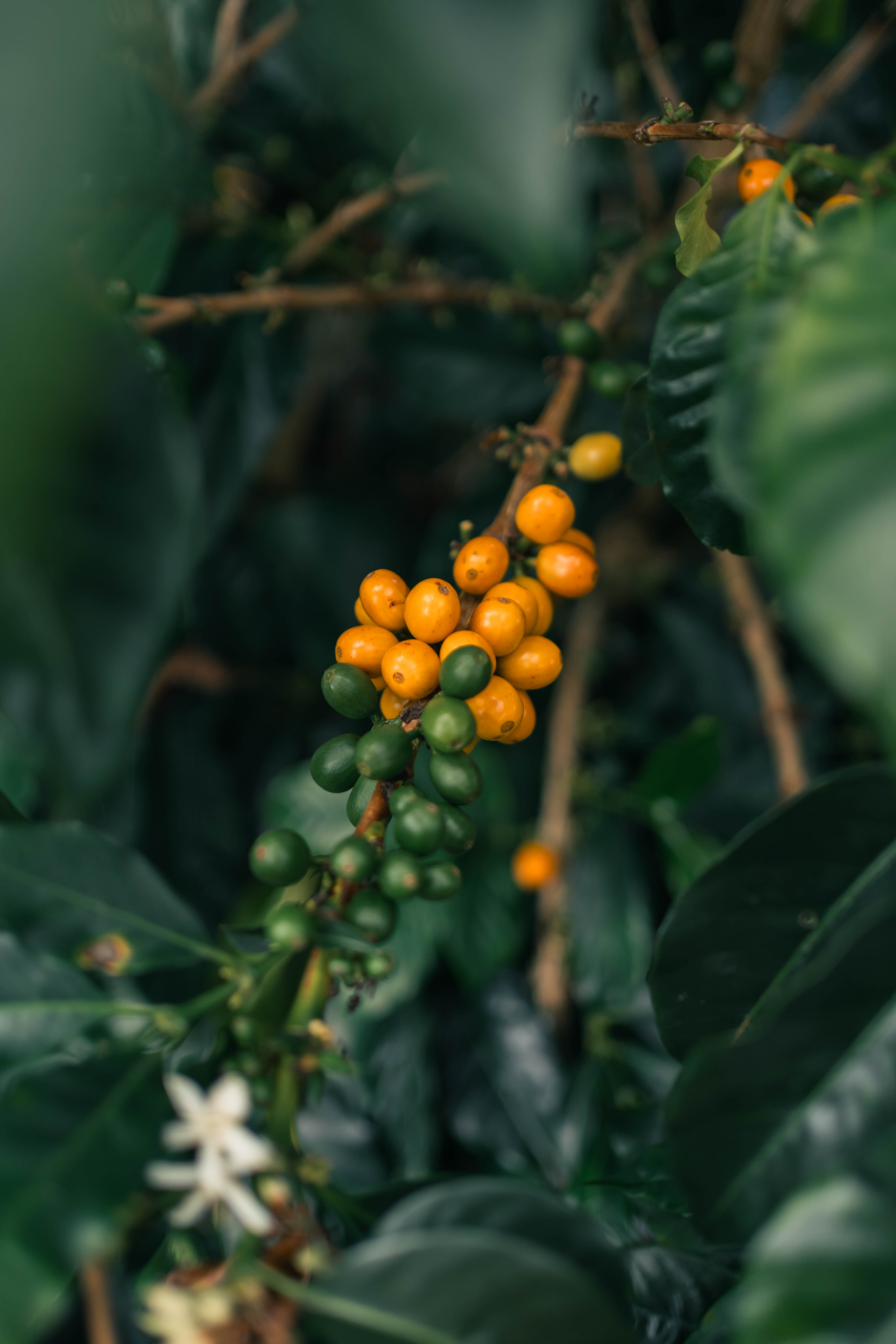
Peru’s processing is varied and thoughtful. Coffeesa are mostly washed, using micro-mills on the farms themselves. Fermentation is often dry, done in small wooden or concrete tanks. Some lots are naturals, and even anaerobic preps appear in the more experimental side. That gives us flavour profiles that range from “chunky, jammy fruit” to “tealike and elegant, with yellow fruit and floral notes.” These lots are versatile , great in filter, but also rich and creamy when roasted for espresso.
When Is the Harvest Season for Peruvian Coffee, and What Are Typical Volumes and Logistics?
Harvest season: May to October
Arrivals: October to December
Lot sizes: Between 3 and 60 bags
Packaging: 69 kg bags
How Do We Ensure Quality and Transparency in Peruvian Coffee Sourcing?
We’re serious about traceability and or coffees that score 85+, we pay above the local prices to support local projects and production development. If a microlot scores even higher (above 87) and is large enough, we pay an additional premium once we’ve contracted and exported.
By working with the same cooperative partners year after year, we build trust , and that stability lets farmers reinvest.
Our Impact & Collaboration with Producers
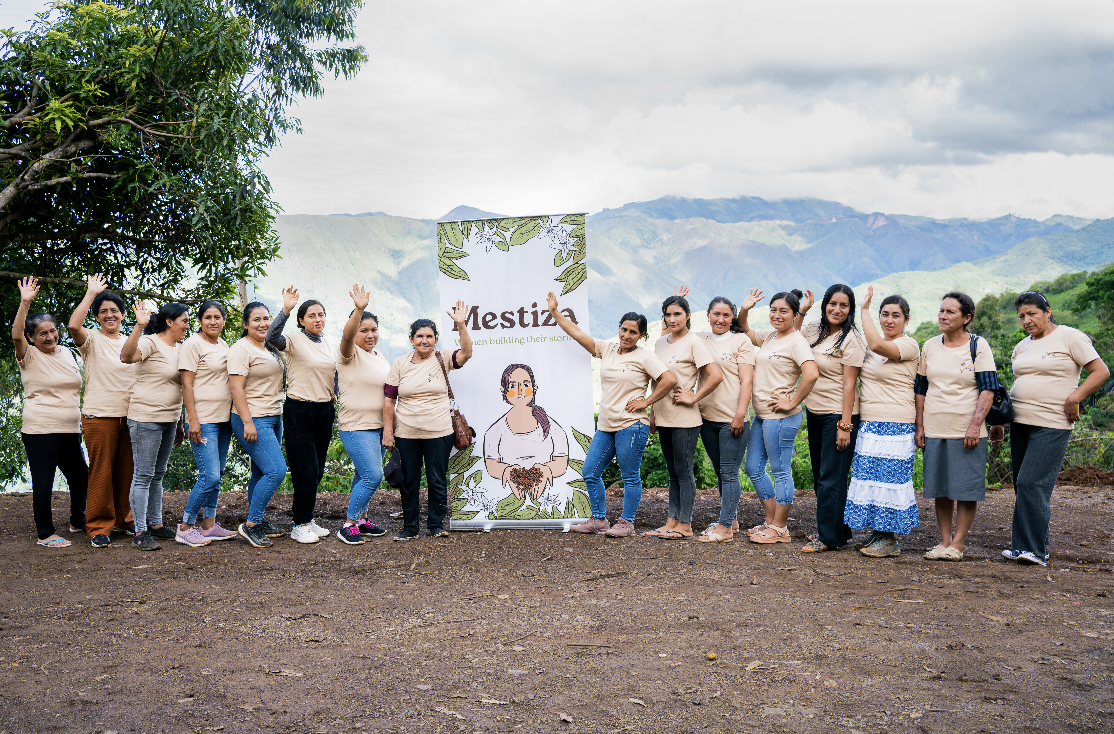
Many Peruvian cooperatives we work with invest in farm-level infrastructure, quality monitoring, and training, long-term improvements that benefit everyone.
One challenge: many high-quality coffees in Peru end up being sold in large regional blends, often at low prices. We counter that by separating microlots, building traceable community lots, and rewarding producers for the very best lots.
Why buying Coffee from Peru ?
Peru offers something special in the specialty coffee world: consistency through cooperatives, room for innovation in processing, and strong potential for growth in quality. For roasters, sourcing coffee from Peru means access to nuanced, high-integrity lots. For farmers, it means fair compensation and support to produce organic coffee and high-scoring microlots. Over time, these relationships strengthen entire coffee farms networks and the long-term sustainability of Peruvian specialty coffee.
Read more about Peru’s natural coffees and what makes them so rare and exceptional.
Learn more about our other coffees from South America
Coffee Picking in Brazil: Balancing Quality, Cost, and Practicality
Luzia Collective: A female produced coffee from Sul de Minas
Introducing La Soledad: a project with our newest supplier in Colombia
Why is Colombian coffee so f*cking good?
Find our Peruvian Coffees here on our Offer List!