


What is Coffee Parchment?
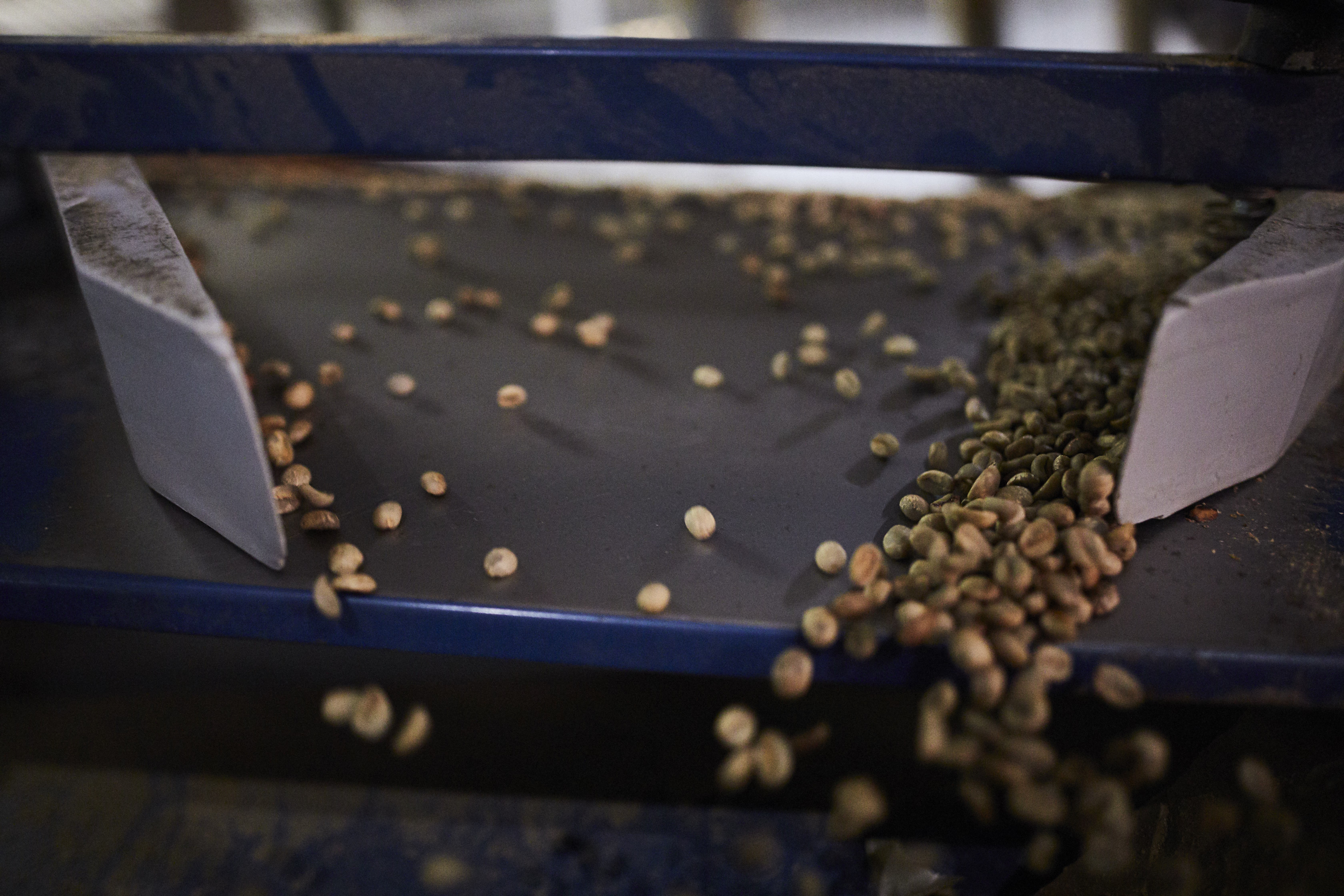
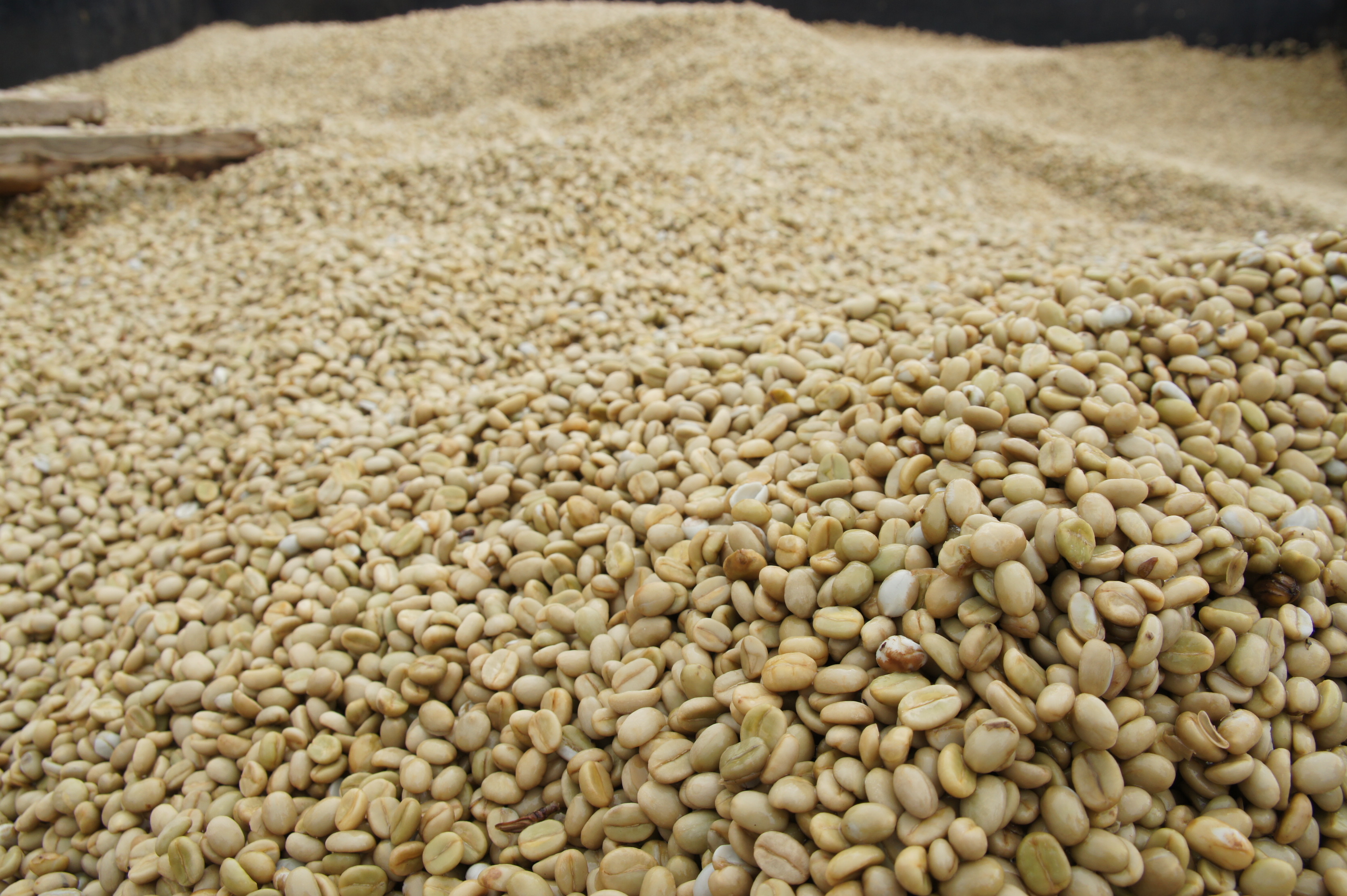
Coffee parchment is the endocarp, a thin, protective layer of the coffee cherry that surrounds each seed, commonly called the coffee bean. As coffee dries, this layer becomes pale, papery, and brittle. Parchment coffee refers to beans that still have this covering, before it is removed through hulling.
Parchment provides a physical barrier during drying, handling, and storage, but it does not seal the bean against humidity, odours, pests, or deterioration. Preserving quality still depends on controlled drying, suitable packaging, and clean, stable storage conditions.
The parchment layer is present across processing methods, but the material surrounding it differs:
- Washed coffee: The skin, pulp, and mucilage are removed before the parchment-covered beans are dried.
- Honey-processed coffee: The skin and much of the pulp are removed, while some or all of the mucilage remains attached to the parchment during drying.
- Natural coffee: The beans dry inside the whole cherry. The parchment remains beneath the dried fruit layers until hulling.

The difference between parchment coffee and green coffee
In coffee trading, parchment coffee usually describes coffee that has been processed and dried but still retains its parchment shell. Green coffee generally refers to the unroasted beans after this layer has been removed. Parchment is therefore an intermediate preparation stage, rather than a different type of coffee.
Hulling is one operation within dry milling. After parchment removal, the beans are cleaned, graded, and sorted according to the required preparation specifications before packing for shipment. Removing the parchment alone does not make a lot export-ready.
Why Coffee Is Dried and Stored in Parchment
Drying reduces the bean’s moisture content to a level suitable for storage. A commonly used target is approximately 10–12%, although the appropriate specification depends on the coffee and buyer requirements. Drying consistency matters as much as the final reading: a lot with uneven moisture can behave inconsistently during storage and milling.
Producers and mills often rest dried coffee in parchment before hulling. This conditioning period allows moisture to redistribute within the beans and the lot. It should not be described as a guaranteed improvement in flavour: resting time, temperature, humidity, and packaging all influence the outcome, and prolonged or poorly managed storage can reduce quality.
Parchment is a useful protective layer, but it cannot compensate for coffee that is insufficiently dried, rewetted, or stored in unsuitable conditions. Moisture content, water activity, and regular quality assessment provide more meaningful information about stability than the appearance of the parchment alone.
Coffee Parchment in Specialty vs Commercial Coffee
Parchment serves the same biological function in both specialty and commercial coffee. The meaningful difference is how drying, storage, and milling are managed, rather than the market category alone.
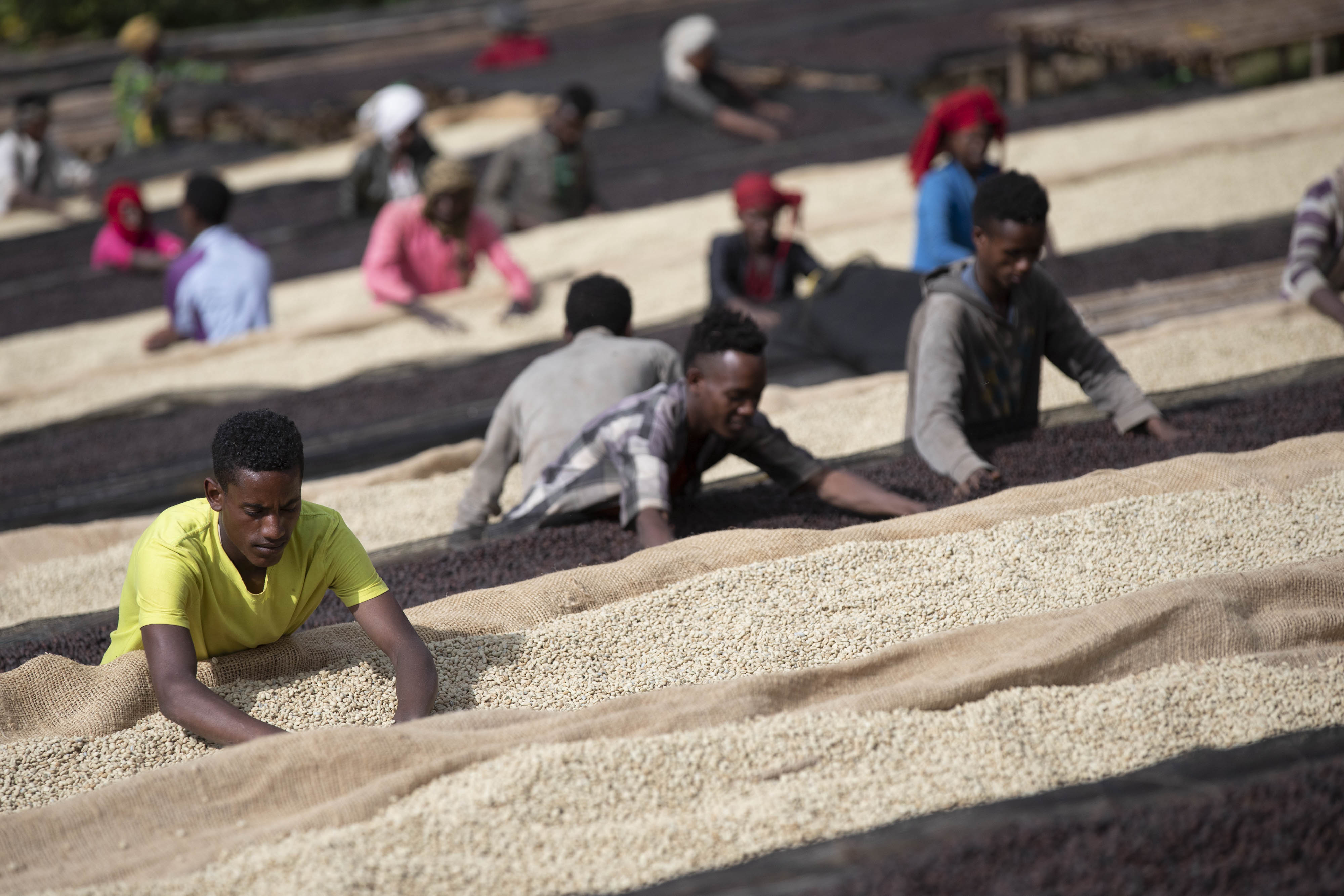
Raised beds, clean patios, covered drying structures, and mechanical dryers can all form part of a well-managed drying system. Equipment choice alone does not determine quality. Airflow, temperature, layer depth, turning, protection from rain, and consistent moisture monitoring are important considerations. Mechanical drying can also provide valuable control when weather conditions make sun-drying difficult.
For quality-focused lots, careful storage and appropriately adjusted hulling help preserve the coffee’s physical integrity. Coffee that is too wet or excessively dry can be more difficult to hull cleanly, increasing the risk of damage and preparation losses.
Where Nordic Approach fits in
Our role is to evaluate coffee quality and understand how processing, drying, and storage affect the final cup. We assess lots through cupping and work with producers, mills, and exporters to preserve quality through preparation and shipment. Understanding the parchment stage helps us assess the coffee’s condition before milling, alongside its processing history and drying consistency. Our focus is not on parchment as a guarantee of quality, but on how well each stage has been managed to preserve the lot’s flavour potential.