


As of 2025, Brazil remains the largest producer, responsible for roughly a third of the world’s coffee, driven by scale, diverse growing regions, and expanding arabica and robusta production. Vietnam is the second-largest producer, with its high-volume, robusta-focused sector concentrated in regions such as Dak Lak, Gia Lai, Lam Dong, and Dak Nong. Colombia continues to lead the way in high-quality arabica from its mountainous Andes regions. These major producing origins anchor the global market, each contributing their own varieties, processing traditions, and regional climate and terroir. But there are many more origins worth knowing. Here, we break down the top coffee-growing countries and highlight the regions and producers we source from.
Specialty Coffee Countries
Brazil
Brazil has been the world’s biggest coffee producer country for more than 150 years, producing around 2.68 million metric tons annually. Its climate,consistent rainfall, steady sunlight, moderate elevation, and stable year-round temperatures,creates ideal conditions for Arabica cultivation. Major coffee-growing regions include Minas Gerais (Sul de Minas, Cerrado Mineiro, Chapada de Minas), São Paulo (Mogiana), Espírito Santo, and Bahia.
We began sourcing from Brazil in 2012, focusing on unique, high-quality coffees from regions off the beaten path. By selecting producers who experiment with processing and invest in quality, we’ve found lots with big, fruity flavors, expressive naturals, and classic milk chocolate sweetness.

Colombia
Colombia produces over 760 thousand metric tons annually and exclusively grows Arabica beans. Its mountainous terrain and favorable climate make it ideal for high-quality specialty coffee. Coffee is grown across well-known regions such as Huila, Antioquia, Tolima, Nariño, Cauca, Santander, and Sierra Nevada.
Since 2014, we’ve built strong relationships with producers and specialty-focused exporters in Huila, Tolima, Nariño, and Antioquia. Our “concepts” program focuses on traceable microlots and value-added communal lots. By integrating quality control into our buying and maintaining a presence at origin, we ensure consistency and distinctive flavor profiles that highlight Colombia’s unique terroir.
Listen to our Green Buyer Juan Suarez, explaining why Colombian Coffee is so exceptional good

Indonesia
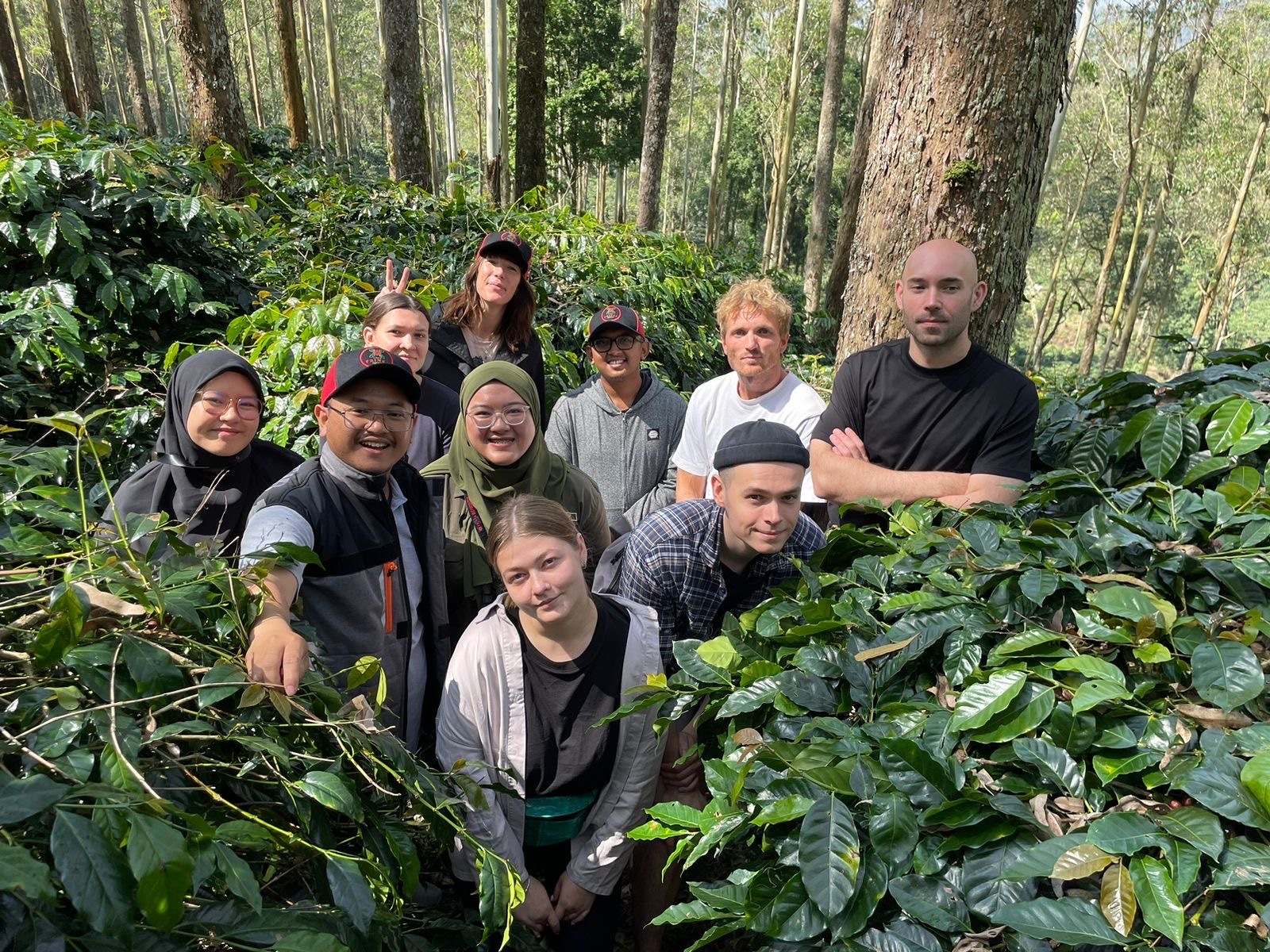
Indonesia produces over 668 thousand metric tons per year, with a rich coffee history dating back to the late 1600s during Dutch colonial rule. The island of Java was the first to cultivate coffee, becoming synonymous with the term “java coffee.” The coffee regions spans well-known regions such as Sumatra (Aceh, Gayo, Lintong), Java, Sulawesi (Toraja), Bali, and Flores. The island of Java was the first to cultivate coffee, becoming synonymous with the term “java coffee.”
Since 2016, we’ve sourced from West Java, collaborating with a single family to explore special processing methods, including extended fermentation and anaerobic naturals. This hands-on approach allows us to design unique product ranges while experimenting with new techniques to enhance flavor and complexity.
What makes our Indonesian Coffee so Special? Find it out in our latest Article
Honduras
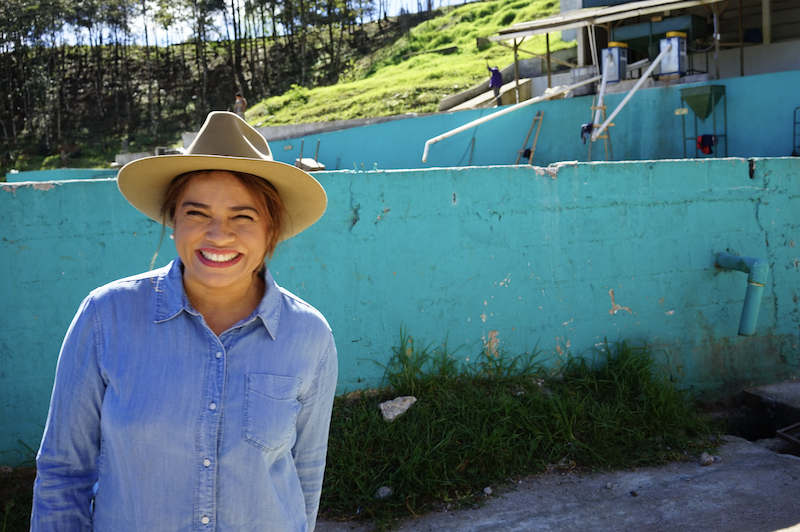
Honduras produces around 475 thousand metric tons annually. Its high-altitude Fincas, located between 1,400–1,700 MASL, offer microclimates that contribute to complex and nuanced coffee flavors, often with notes of red fruit, vanilla, and hazelnut. Well-known producing areas include Copán, Santa Bárbara, Ocotepeque, El Paraíso, Comayagua, Marcala, and Intibucá.
We began sourcing in 2013, working with two distinct suppliers in Marcala and Intibucá. By being involved throughout the production cycle, we help ensure quality management and traceability, supporting farmers in producing coffees with authentic character and market-ready profiles.
Learn more about the Caballeros, the dup behind our longest-standing partnership in Honduras.
Which countries are known for the highest quality arabica coffee?
Origins such as Colombia, Ethiopia, Peru, and Kenya are widely recognised for high-quality arabica thanks to altitude, diverse microclimates, and strong agronomic traditions. These environments support complex flavour development, ranging from bright and floral to fruit-forward or chocolate-sweet depending on region and variety.
Ethiopia
Ethiopia produces over 421 thousand metric tons annually and is the birthplace of coffee. Coffee is deeply ingrained in the culture and contributes significantly to the national economy. Major producing regions include Sidama, Yirgacheffe, Guji, Gedeb, Jimma, Limu, Bench Maji, and Harrar.
We have sourced from Ethiopia since 2012, focusing on the Southern Nations, Nationalities, and Peoples’ Region and Agaro in the west. With a local team on the ground, we ensure access to top-quality exportable coffees. Our selection includes fruity, juicy, floral, and elegant profiles that represent the diversity of Ethiopian coffee.
Behind Ethiopia’s Best Coffees: Meet our fantastic Team working in Addis Ababa

Peru
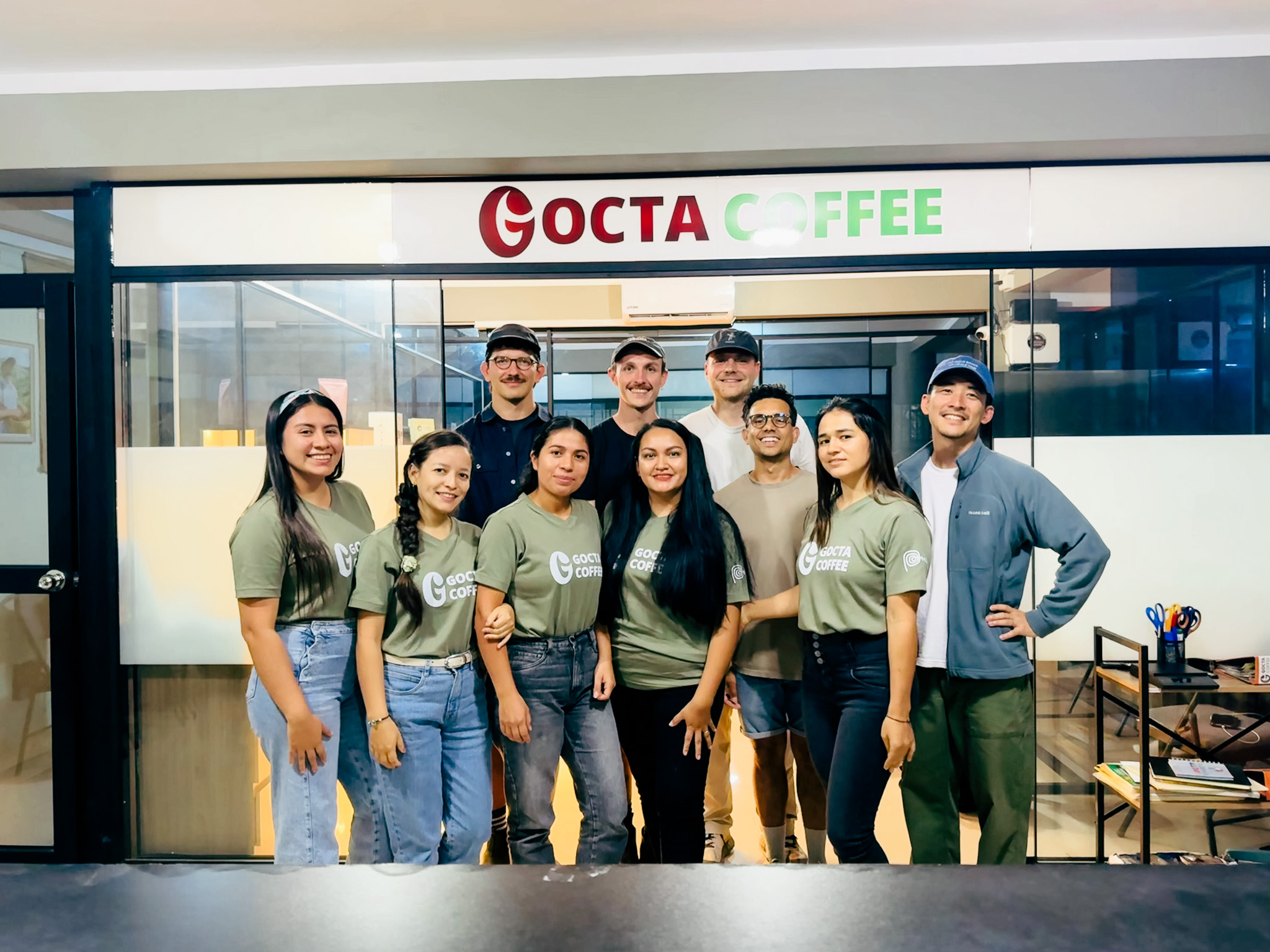
Peru produces over 346 thousand metric tons annually across ten regions. Coffee production dates back to the 1700s, with key coffee-growing areas including Cajamarca, Amazonas, San Martín, Junín, Cusco, Puno, and Pasco.
Since 2018, we have partnered with young exporters and cooperatives focused on specialty coffee. Our programs promote full traceability, quality improvements, and fair premiums for smallholder farmers, helping them invest in their farms while producing consistent, high-quality coffee.
Learn more about our Peruvian Natural Coffees and why they are so rare and exceptional
Guatemala
Guatemala produces over 245 thousand metric tons annually, mostly Arabica. Coffee became a major crop in the late 1800s, replacing the local dye industry. The main varieties grown include Caturra, Red and Yellow Catuai, and Red and Yellow Bourbon. Its best-known regions include Antigua, Huehuetenango, Atitlán, Cobán, Acatenango Valley, Fraijanes Plateau, and San Marcos.
We’re not currently sourcing from Guatemala, focusing our resources on origins where we can invest in direct relationships and support unique, specialty-driven projects.
Find out more about other origins in Central America that we are sourcing from like El Salvador or Honduras.
Uganda
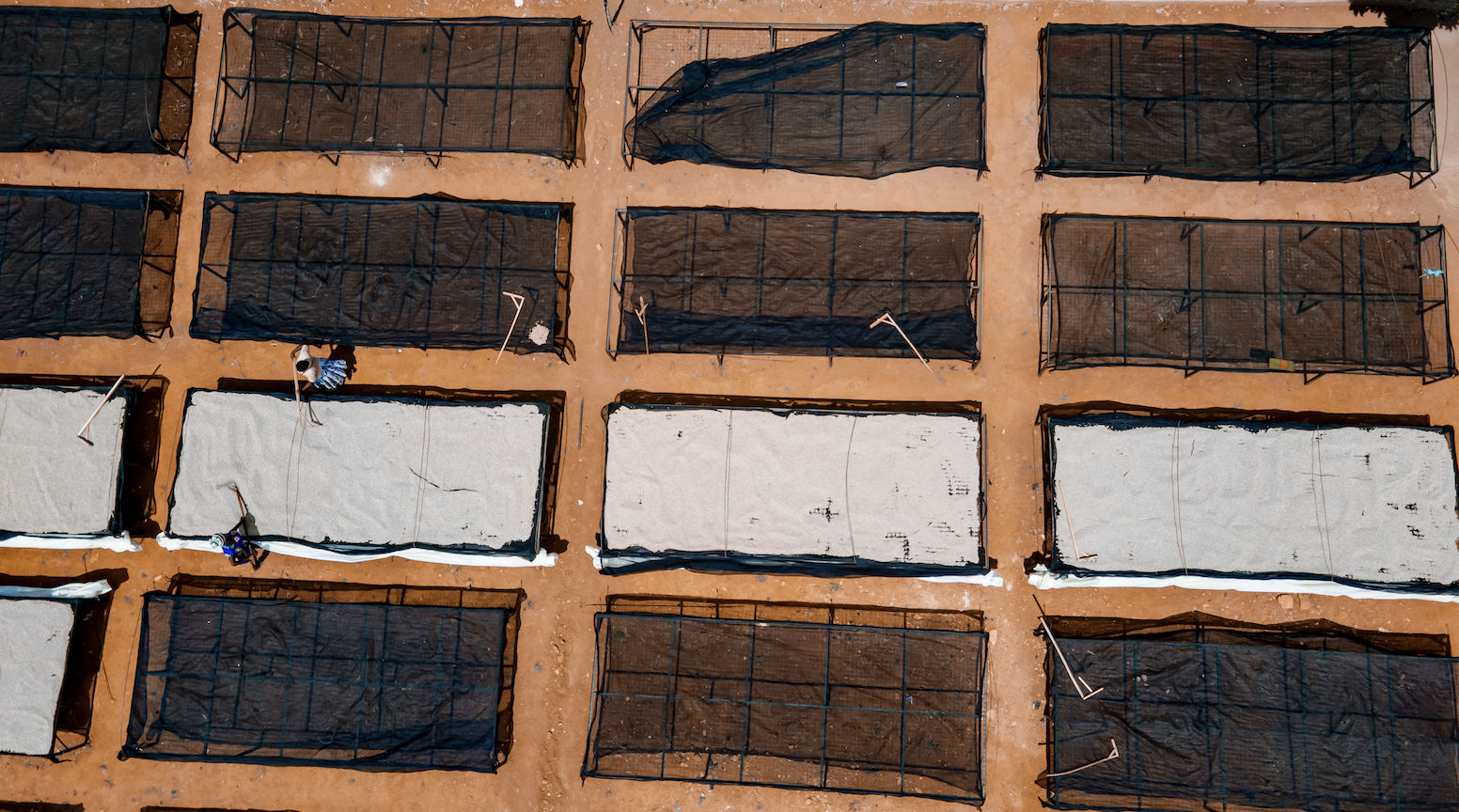
Uganda produces around 209 thousand metric tons annually and is historically known for Robusta. Its coffee is grown across western, eastern, and central regions. Recently, Uganda has been gaining recognition for specialty Arabica. Its coffee is grown across Mount Elgon, Rwenzori, West Nile, Bugisu, and Central Uganda. Recently, Uganda has been gaining recognition for specialty Arabica.
We began sourcing in 2018, focusing on centralized processing and high-quality, traceable coffees from the east, creating products that stand out in the specialty market.
Which specialty coffee origins does Nordic Approach source from? We source unique, high quality coffee of 86+ points, from the most intriguing origins. We pay extra attention to innovation and thorough quality control at every step of the product cycle. Our coffee is the best in its category, and always has a story to go with it. We currently source from 11 origins including Kenya, Honduras, El Salvador, Rwanda, Indonesia, Uganda, Peru, Ethiopia, Brazil, and Colombia.