


What is Sweetness in Coffee?
Sweetness is a key sensory attribute in specialty coffee, describing the perceived sugar-related taste and its impact on balance and cup clarity. It reflects how the coffee feels on the palate, interacts with acidity, and enhances perceived body. In cupping, sweetness can range from delicate floral or citrus fruit notes to denser caramel, honey, or molasses-like sensations, depending on origin, varietal, and processing.
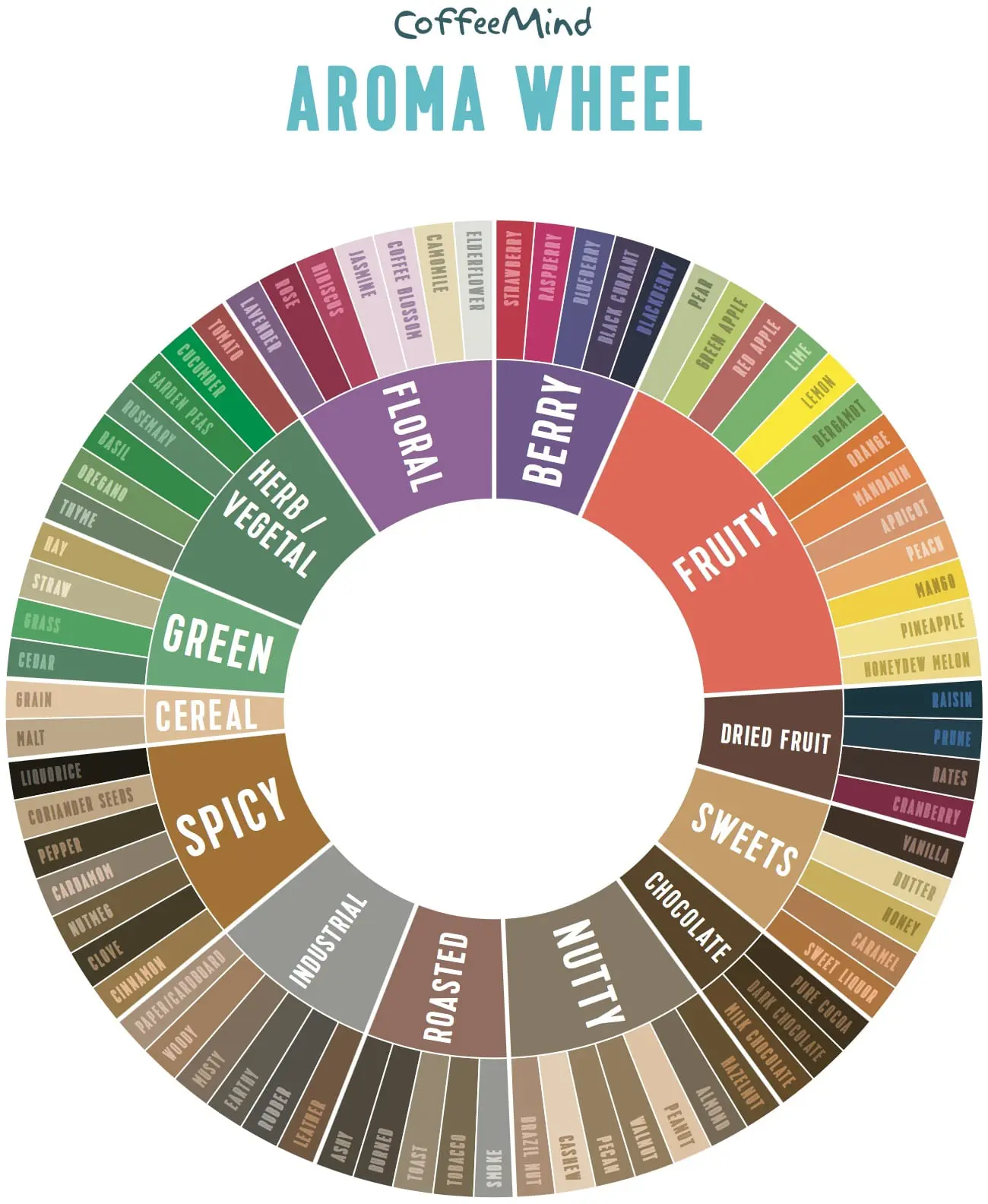
Why Sweetness Matters
Cup balance and clarity
Sweetness balances acidity and moderates perceived astringency, making coffees approachable and enjoyable. Well-executed natural or honey processed coffees often highlight intense sweetness, while carefully washed coffees can present a refined, delicate sweetness that amplifies clarity.
Origin and processing influence
Cherry ripeness, varietal characteristics, and processing methods all shape sweetness. Fully ripe cherries maximize sugar development, while natural and honey processes can further concentrate sugars during drying. Harvest and post-harvest handling, including drying speed and moisture control, directly affect how sweetness is expressed in the cup.
Roasting considerations
Sweetness perception changes with roast level. Light roasts can accentuate fruit and floral sweetness, while medium roasts may emphasize caramelization and body-related sweetness. Understanding how sweetness evolves during roasting helps roasters highlight desirable cup profiles while maintaining clarity.

Where Nordic Approach Fits In
Our teams evaluate sweetness not only as a flavor attribute but also as an indicator of effective harvest and post-harvest practices. Through origin trips and collaboration with producers, we assess cherry ripeness, processing precision, and drying techniques to ensure the sweetness in the lot translates consistently to the cup. By doing so, we help roasters identify coffees that deliver clarity, intensity, and balance, rather than relying on sweetness as a generic descriptor.
FAQ About Sweetness
Q1: Is sweetness the same as sugar content?
A1: Not exactly. Sweetness is a sensory perception in the cup, influenced by sugars but also by acidity, body, and aroma. A coffee can taste sweet without having a high measured sugar content.
Q2: Which processing methods tend to enhance sweetness?
A2: Natural and honey processes often intensify perceived sweetness due to extended contact with fruit sugars during drying. Well-managed washed coffees can also show clean, delicate sweetness.
Q3: How does origin affect sweetness?
A3: Factors like varietal, altitude, and climate influence sugar development in the cherry. High-altitude, slow-maturing coffees often display more complex, layered sweetness, while lower-altitude or fast-maturing lots may present more straightforward, syrupy notes.