


What is the Kenyan Coffee Grading System?
Kenya employs one of the most structured grading systems in specialty coffee. Grading combines bean size, defect count, and preparation method to assign a lot to a specific grade. This system ensures that buyers understand the physical quality and potential cup profile before purchase.
Key Components
Screen Size
Beans are sorted using perforated screens, typically ranging from 15/64” to 18/64” (Screen 15–18). Larger beans often correlate with higher altitude growth and better-developed sugars, which can translate into more complex flavours.
Grade Names
- AA – Largest beans with minimal defects
- AB – Mix of A and B-sized beans with very few defects
- PB (Peaberry) – Single round beans from a cherry, often higher-density and unique in flavour
- C, E, F, TT – Smaller beans or beans with more defects, often used in blends or non-specialty channels
Defect Count
Grades are partially determined by the number of primary (black, sour, insect-damaged) and secondary defects per 300 g sample. Lower defect counts indicate higher quality and cleaner cup potential.
Preparation Standard
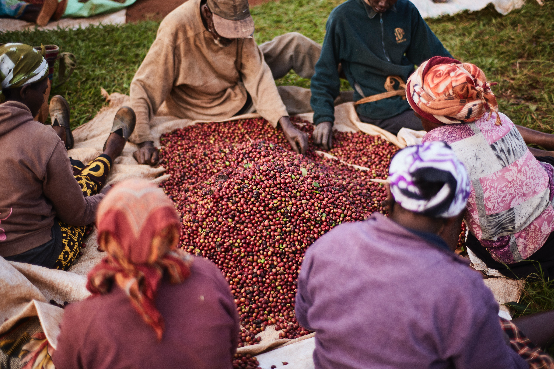
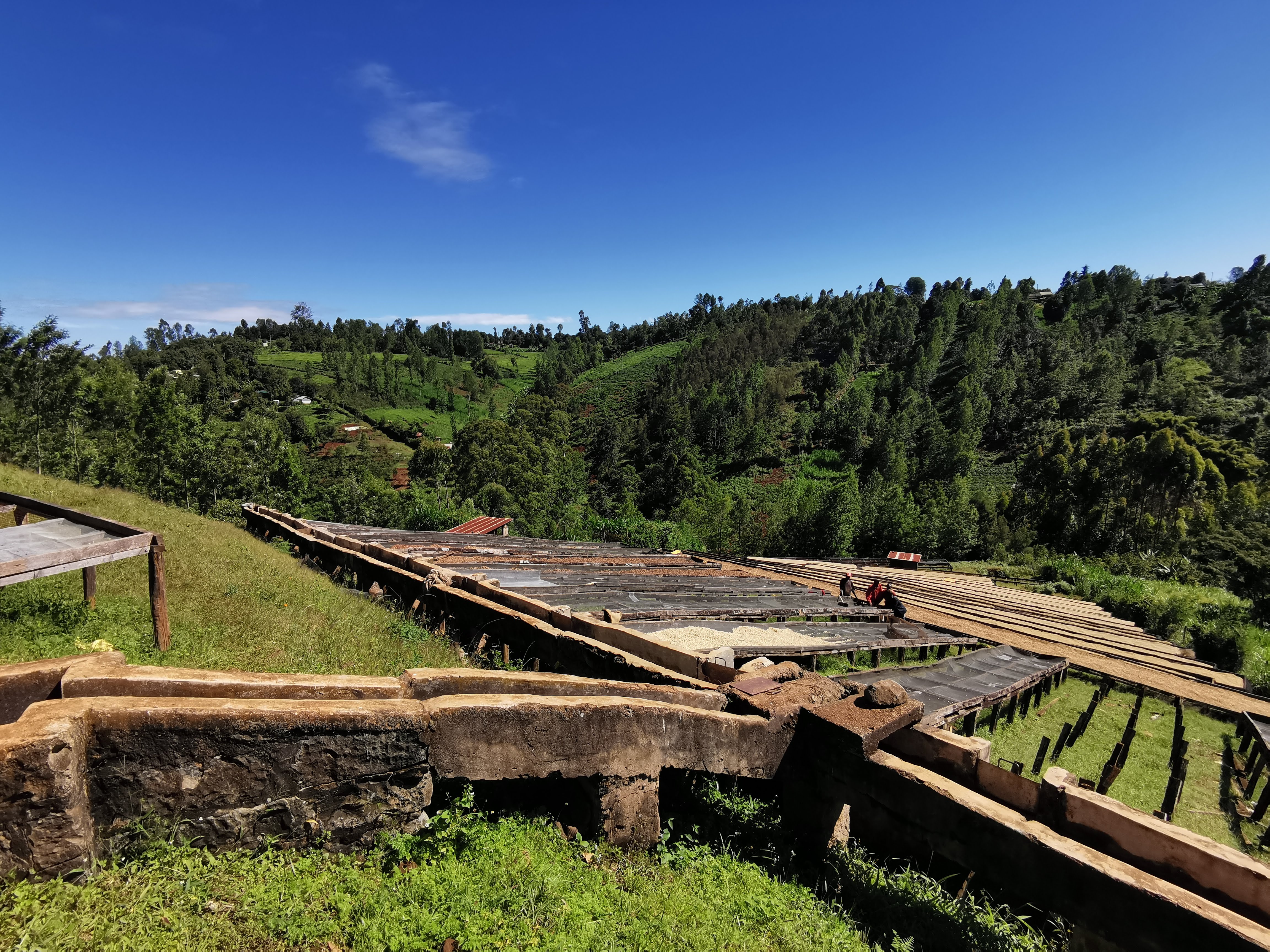
Kenyan coffee is typically fully washed, meaning all mucilage is removed before drying. Preparation quality influences grading because poor washing or drying can introduce off-flavours or uneven roast behaviour.
Why It Matters for Specialty Coffee
The Kenyan system allows roasters to evaluate lot uniformity, predict roasting behaviour, and anticipate cup profiles. AA and PB lots are prized for clarity, vibrant acidity, and consistent body, while lower grades can still provide unique or blended profiles depending on roaster goals.
Understanding the grading system helps B2B buyers make informed decisions about lot selection, pricing, and flavour expectations. It also provides insight into origin practices, altitudes, and processing discipline.
Where Nordic Approach Fits In
We monitor Kenyan grading during sourcing trips and lot evaluations. Beyond the grade label, we assess defect management, cherry selection, and drying consistency to predict the final cup quality for roasters. Our goal is to connect physical grading with sensory potential, ensuring roasters receive lots that meet both quality and traceability standards.
FAQ About Kenyan Coffee Grading
Q1: Does AA always taste better than AB?
A1: Not automatically. AA typically represents larger, denser beans with potential for cleaner cups, but final flavour depends on processing, harvest timing, and roast profile.
Q2: What makes Peaberry beans special?
A2: Peaberry (PB) beans are single, round seeds from a cherry. They are denser and often roast differently, producing a distinctive cup with bright acidity and concentrated flavours.
Q3: How does the defect count influence grade?
A3: Grades reflect tolerance for primary and secondary defects. Lower defect counts indicate higher physical quality and more predictable roast and cup performance.