


What is Coffee Aroma?
Aroma is the olfactory component of coffee, encompassing the bouquet of scents detected in dry grounds, during brewing, and in the hot cup. It is a key factor in evaluating specialty coffee, influencing perceived flavour, sweetness, and overall cup quality. Aroma descriptors range widely, floral, fruity, herbal, nutty, chocolatey, or caramelized, and reflect origin, varietal, processing, and roasting choices.
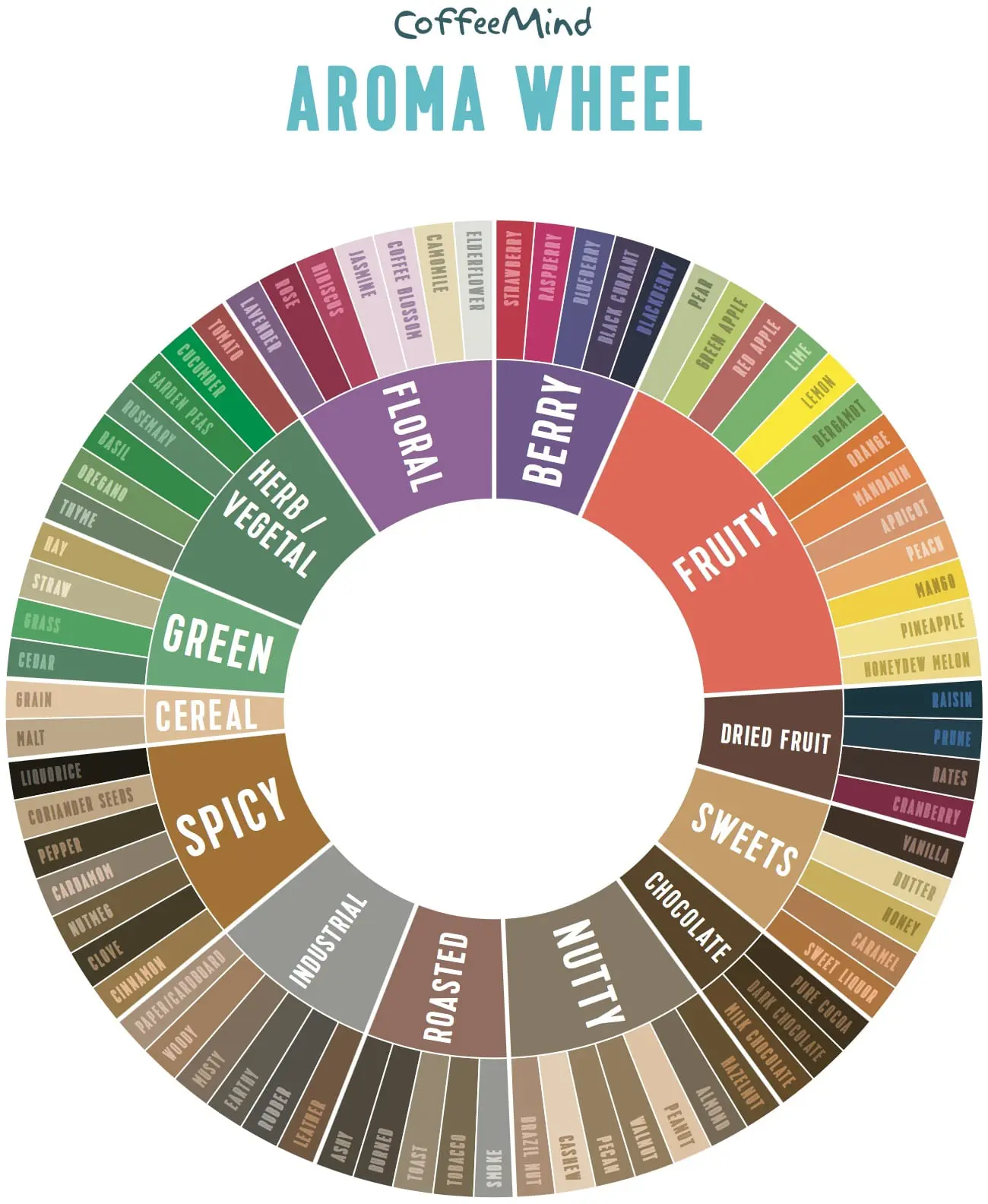
Why Aroma Matters
Sensory evaluation and quality
Aroma provides early insight into coffee quality, often revealing clarity, ripeness, and processing precision before tasting. A complex, clean aroma indicates well-selected cherries and careful post-harvest handling, while off or muted aromas can signal defects, over-fermentation, or poor drying.
Origin and processing influence
Aroma is closely tied to origin and varietal characteristics. Ethiopian washed coffees may present jasmine or bergamot notes, while Brazilian naturals often display chocolate, nutty, or red fruit aromas. Processing, fermentation, and drying techniques significantly shape the bouquet, enhancing or muting specific aromatic compounds.
Roasting considerations
Roasting transforms the chemical composition of the coffee, developing new aromatic compounds while diminishing others. Light roasts preserve origin-specific aromatics, medium roasts enhance caramelized, roasted, or sweet notes, and darker roasts emphasize deeper, roasted aromas, sometimes at the expense of delicate origin nuances.
.jpg)
Where Nordic Approach Fits In
Although we do not roast coffee ourselves, our teams assess aroma at origin through cupping, origin trips, and direct observation of processing practices. By evaluating how varietal, harvest, and post-harvest handling influence aromatic expression, we source lots that translate clean, distinctive, and expressive aromas into the cup. This ensures roasters receive coffees that retain clarity, complexity, and origin identity.
FAQ About Coffee Aroma
Q1: How is aroma different from flavour?
A1: Aroma is perceived through smell, while flavour is the combined sensory experience of taste, mouthfeel, and smell. Aroma often guides expectations before tasting and shapes perceived sweetness, acidity, and complexity.
Q2: Which processing methods emphasize aromatic complexity?
A2: Washed coffees tend to highlight clean, floral, and citrus aromatics, while natural and honey processed coffees often produce fruity, wine-like, or syrupy aromas.
Q3: How does roast level affect aroma?
A3: Light roasts preserve origin-specific aromatics, medium roasts develop