


What is Acidity in Coffee?
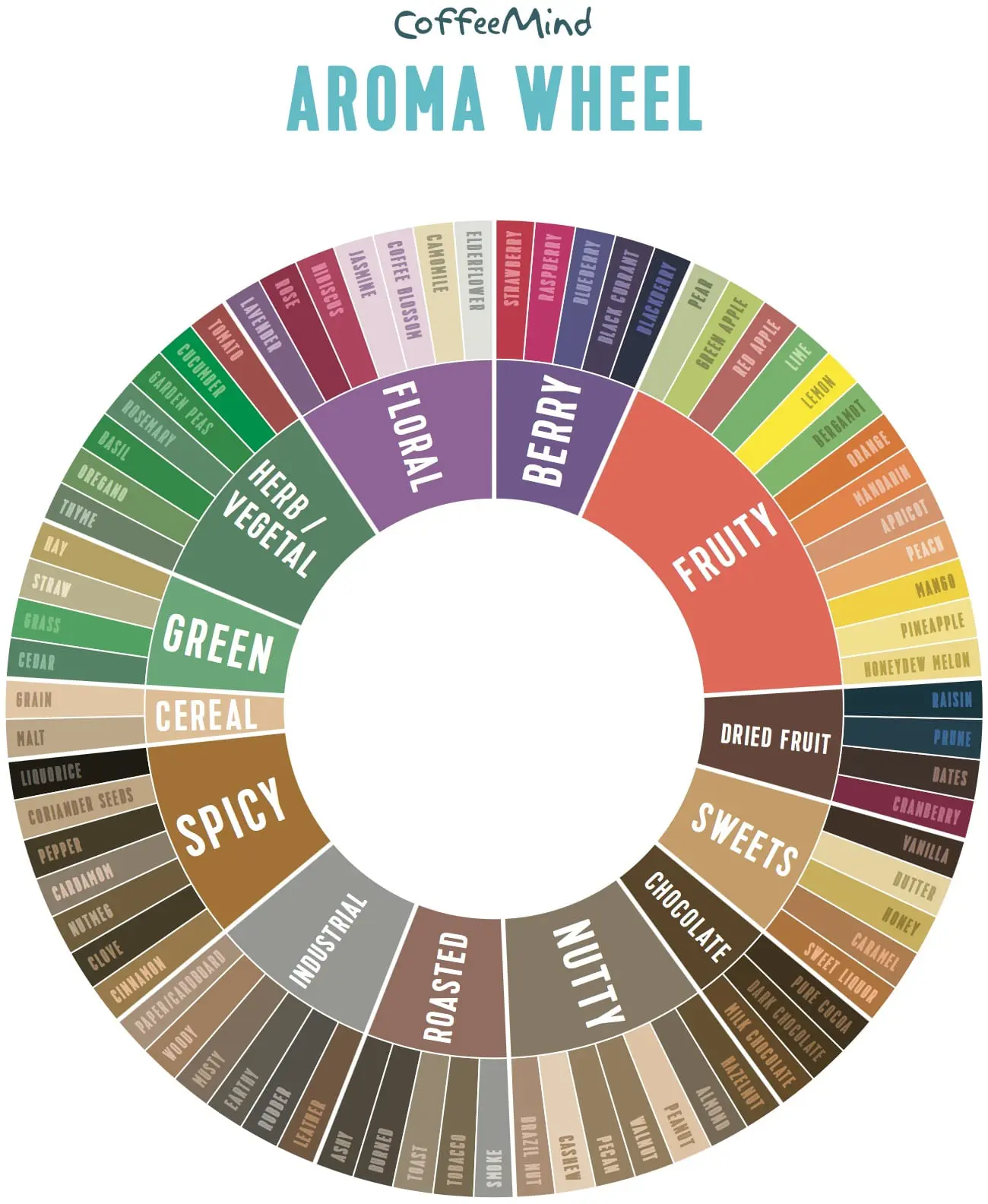
Acidity refers to the perceived sharpness, brightness, or vibrancy in coffee. It is a key component of cup structure and flavor complexity, contributing to perceived freshness, clarity, and liveliness. In specialty coffee, acidity is not about sourness; rather, it’s a desirable characteristic that balances sweetness and body. Descriptors often include citrus, apple, red berry, wine-like, or malic, depending on origin, varietal, and processing.
Why Acidity Matters
Cup balance and structure
Acidity interacts with sweetness to create a harmonious, dynamic cup. Properly balanced acidity highlights clarity and delineates flavor layers without overwhelming the palate. High-quality acidity can elevate floral and fruit notes, giving the cup definition and excitement.
Origin and processing influence
Altitude, climate, and varietal determine acidity potential in the cherry. High-altitude, slow-maturing coffees typically develop crisp, complex acidity, while lower-altitude coffees may show softer, rounder expressions. Processing method also shapes acidity: washed coffees tend to emphasize clean, pronounced acidity, while natural or honey processed coffees may present fruit-forward, integrated acidity.
Roasting considerations
Acidity perception evolves with roast level. Light roasts preserve origin character and highlight brighter, more delicate acidity, whereas medium roasts often round out sharp edges while maintaining clarity. Understanding this evolution is critical for roasters seeking balance and complexity.

Where Nordic Approach Fits In
Though we don’t roast or process coffee directly, our teams assess acidity potential during origin trips and harvest visits. By evaluating varietal selection, cherry ripeness, and processing execution, we ensure that the lots we source maintain their intended acidity profile. This allows roasters to access coffees with clarity, precision, and the expressive vibrancy expected in specialty markets.
FAQ About Acidity
Q1: Is acidity the same as sourness?
A1: No. Acidity in coffee is a positive sensory attribute that adds brightness and clarity. Sourness usually indicates under-ripe cherries, fermentation faults, or processing issues.
Q2: Which processing methods highlight acidity?
A2: Washed coffees generally emphasize clean, bright acidity. Natural and honey processes can integrate acidity with fruit sweetness, producing a rounder, fruit-forward expression.
Q3: How does origin influence acidity?
A3: High-altitude origins like Ethiopia, Colombia, and parts of Central America typically produce coffees with more pronounced, layered acidity due to slower cherry maturation. Low-altitude regions tend to yield softer, less sharp acidity profiles.